
멕시코 음식 및 음료 시장 조사
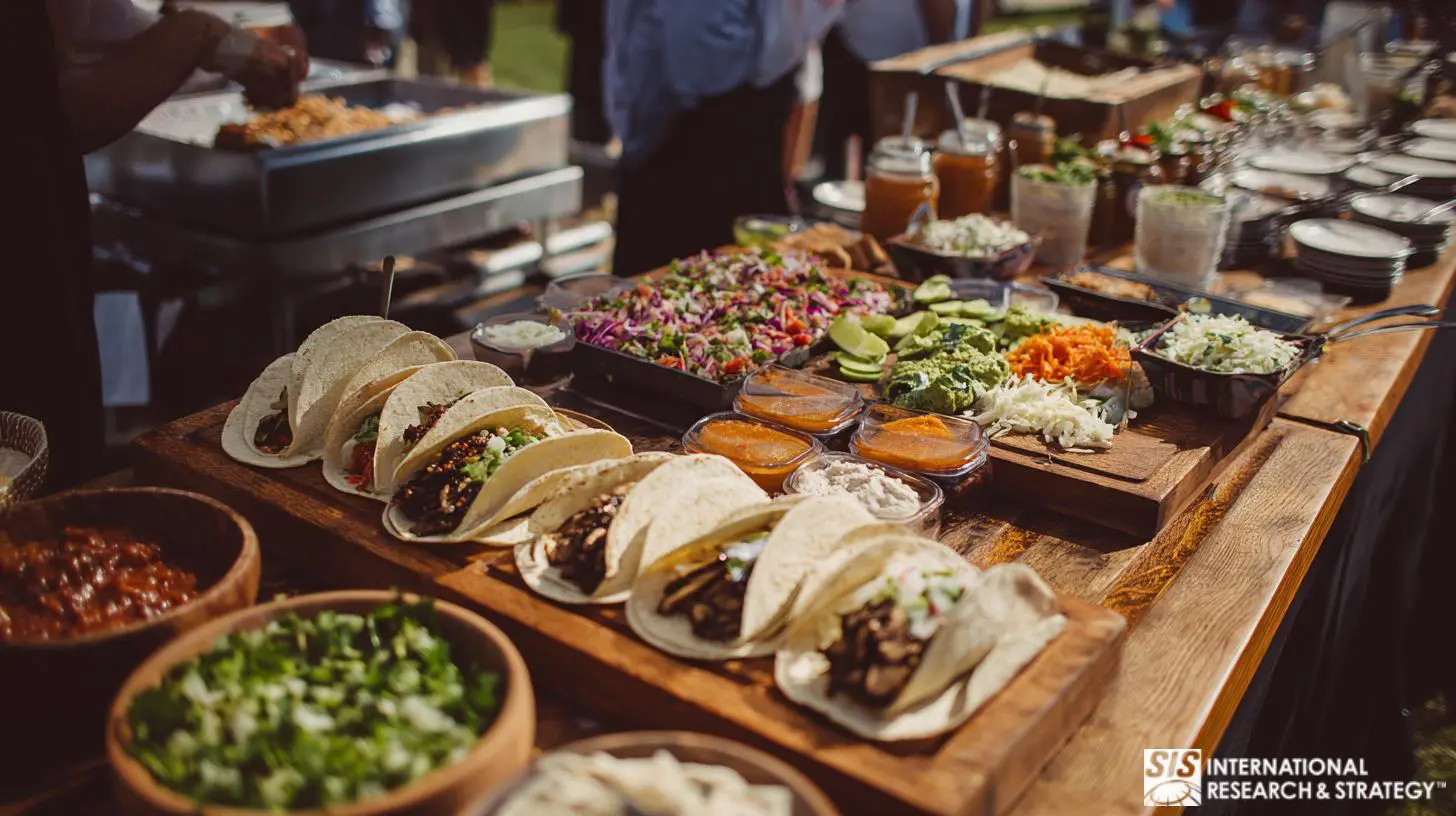
Every year, multinational CPG brands invest millions to enter the Mexican market, only to end up with unsold inventory, reformulated products, and regulatory fines. The pattern remains consistent: they substitute real Mexican consumer insights with US Hispanic consumer data. That decision costs more than the research ever would have.
Mexican food market research is not simply a Spanish version of North American research. Mexico has distinct regulations, regional flavors, and buying habits influenced by local stores. Treating Mexico as an extension of the US can damage a company’s bottom line.
티able of Contents
Importance of MNOM-051 Turned Labeling into a Product Design Decision
Most foreign entrants encounter NOM-051-SCFI/SSA1-2010 only after formulations are finalized. Mexico’s front-of-pack warning-label regulation, enforced by COFEPRIS, requires black octagonal seals on products that exceed thresholds for calories, sodium, added sugars, saturated fats, and trans fats. Products with these seals cannot use cartoon mascots, licensed characters, or child-targeted marketing. Phase 2, extended through December 2027, evaluates only the added nutrients. Phase 3, starting in January 2028, prompts a complete reassessment of the formula for any added critical nutrient.
The strategic implication is clear: a snack formulated in the US will likely need warning seals in Mexico, affecting its packaging and marketing. Reformulation should happen before label design, not afterward. Reformulation in Mexico involves more than just reducing sugar.
Concept-product fit testing for new snacks in Mexico includes central location tests (CLTs), in which panelists compare the reformulated product to the original. JAR scale analysis—Just About Right for sweetness, saltiness, spice, and texture—determines if the product still meets consumer expectations or has shifted in its sensory qualities.
Companies in Mexico conducting shelf-life sensory benchmarking face a new challenge: altitude and humidity vary across regions, affecting moisture migration, oxidation, and staling. A product stable at sea level in Veracruz degrades differently in Mexico City at 2,240 meters. Sensory panels must account for regional differences, not just a single test condition.
Regional Palates Are Not a Marketing Concept
Mexico isn’t just one flavor market. The north prefers grilled meats, wheat tortillas, and mild spice. Bajio, centered on Guadalajara, favors birria, red pozole, and chile de árbol, which would overpower Monterey. Yucatan features habanero, achiote, and sour orange flavors absent from central Mexico. Oaxaca has its own varieties of mole—seven or more—and a fermented agave flavor influenced by mezcal, which impacts how people perceive sweetness and bitterness.
Consumer panel recruitment for taste tests in Guadalajara yields different preference data than panels in Mexico City or Mérida. This difference is significant. Innova Market Insights states that Mexican consumers prioritize taste, freshness, and cost when making purchases, but flavor preferences that define “taste” vary by region. Extruded snacks, the top snack subcategory by value in Mexico, need to adjust chili-lime flavor strength to match regional tolerance levels. Companies like PepsiCo, Grupo Bimbo, and Kellanova customize flavor profiles across different Mexican states. Smaller brands that skip this localization often offer a single SKU nationwide, which often leads to a sharp drop in sales outside their initial test markets.
Mexican food flavor profiling must account for regional variation. Panels in Guadalajara and Monterrey have different standards for “spicy.” QDA protocols need region-specific calibration, and recruitment requires local teams familiar with socioeconomic factors, dietary habits, and local snacking behavior.
기업을 위한 멕시코 식품 및 음료 시장 조사 기회

Mexican cuisine, with its rich flavors and traditions, has made significant inroads into the global culinary scene – and Mexican food and beverage market research has become an invaluable asset for businesses in this market (mostly restaurants and hotels).
따라서 멕시코 요리의 미묘한 차이와 소비자의 진화하는 취향을 깊이 조사함으로써 기업은 다음과 같은 여러 가지 기회를 발굴할 수 있습니다.
- 진정성과 전통 조리법: 전 세계 고객의 지식과 안목이 높아지면서 정통 멕시코 요리에 대한 수요가 늘어나고 있습니다. 시장 조사는 기업이 잘 알려지지 않은 지역 특산품과 오랫동안 검증된 요리법을 식별하여 새로운 청중에게 소개하는 데 도움이 됩니다.
- 건강 및 웰빙 동향: With a growing focus on health and well-being, Mexican food and 음료 시장 조사 can shed light on consumer preferences for organic ingredients, gluten-free tortillas, or plant-based alternatives in traditional dishes.
- 패스트 캐주얼 식사 기회: 패스트 캐주얼 다이닝 컨셉의 부상은 기업이 빠르게 변화하는 도시 소비자의 라이프스타일에 맞춰 빠르고 고품질의 멕시코 요리를 제공할 수 있는 기회를 제공합니다.
- 요리 관광 및 체험: 시장 조사를 통해 멕시코의 풍부한 요리법을 탐구하고자 하는 여행자에게 맞는 멕시코 요리 투어, 요리 강습 또는 몰입형 식사 경험을 선별할 수 있는 기회를 강조할 수 있습니다.
- 포장 상품 및 소매: Mexican food and beverage market research can pinpoint trends in the sale of packaged goods, from salsas and sauces to tortilla chips, guiding product development and marketing in the retail sector.
- 친환경적이고 지속 가능한 관행: 소비자가 환경에 대한 인식이 높아짐에 따라 연구를 통해 멕시코 식품에서 지속 가능한 육류 공급원, 유기농법 또는 친환경 포장에 대한 선호도를 강조할 수 있습니다.
- 프랜차이즈 및 글로벌 확장: 기존 멕시코 레스토랑이나 브랜드의 경우 시장 조사를 통해 멕시코 풍미에 대한 수요가 많고 문화적 개방성이 높은 지역을 파악하여 국제적인 확장 전략을 수립할 수 있습니다.
Ready to explore
the insights that drive
smarter decisions?
Contact our Research experts today.
Contact us now!Tequila, Beverages, and the Brand Concept Testing Gap
Tequila brand concept testing in Mexico uncovers a wider trend in beverage market entry. The market is saturated with established brands like Jose Cuervo, Patron, Don Julio, Sauza, and Olmeca, but premium segments continue to attract new competitors. The challenge isn't awareness but aligning concepts with products. A SenseCatch neuromarketing study of 27 tequila packaging concepts in Texas showed that label details influence perceived quality and brand value. Mexican consumers evaluate tequila based on origin, agave sourcing transparency, and regional identity linked to Jalisco.
Mexico's beverage market entry for non-tequila categories faces a challenge: functional beverages, plant-based drinks, and low-sugar reformulations must meet consumers' expectations for NOM-051 seals and taste.
A beverage without warning seals builds trust, but if its flavor is "dieted down," consumers will reject it. Latin American sensory research firms use sequential monadic testing and blind paired comparisons to determine whether new formulations meet NOM-051 standards without losing the appeal that encourages repeat purchases.
Plant-Based in Mexico: The Market Opportunity That Requires Local Evidence
Market analysis shows rapid growth for plant-based foods in Mexico, exceeding expectations. In 2025, Mexico had 512 vegan restaurants, the highest in Latin America. Nielsen reports that Mexico has the largest vegan consumer base in Latin America. Pea protein is growing faster than soy, with dairy and meat substitutes expanding in Mexico City, Guadalajara, and Monterrey, making up over 60% of sales.
Plant-based food in Mexico faces cultural challenges. Traditional cuisine already uses plant-forward ingredients like nopales, amaranth, chia, black beans, and squash, which predate Western trends. Repackaging these as "plant-based innovation" can seem patronizing.
Successful entrants embed their products within existing food culture rather than replacing it. Heura Foods, a Spanish alternative protein company, entered the Mexican market through Walmart, City Market, and La Comer by aligning with Mexican culinary formats rather than a European positioning.
Mexican consumer food trends favor brands that use in-home usage tests (iHUTs) to see how consumers incorporate plant-based products into meals. A CLT assesses taste acceptance, while an iHUT shows if consumers reuse it and how they modify it with salsa, lime, and chili, predicting trial-to-repeat conversion.
What Competitive Intelligence Actually Requires in This Market
Competitive intelligence on Mexico's CPG demands more than syndicated database data. Retail audit info from Nielsen or Kantar covers tracked channels but overlooks traditional trade—tiendas de abarrotes, mercados, and informal vendors—that still hold a significant share. Effective intelligence involves on-site store audits, distributor conversations, and price checks across both modern and traditional channels.
For over forty years, SIS International has conducted sensory evaluations, focus groups, and competitive mapping in Mexico, with bilingual teams in both primary and secondary cities. Our market research starts with 15-20 expert interviews with buyers, distributors, and retail operators, combined with CLT data and regional store audits. This approach offers insights that a desk research report can't, such as why a product stalls in the Bajio or why a labeling delay causes a launch delay.
멕시코 식음료 시장 조사의 향후 전망

The future of Mexican food and 음료 시장 조사 looks promising as the industry continues to evolve and adapt to changing consumer preferences. Here are some key trends and developments to watch out for:
- 기술 발전: 기술은 멕시코 식품 시장에서 점점 더 중요한 역할을 하게 될 것입니다. 온라인 주문 플랫폼부터 주방 자동화까지, 기술 발전을 수용하는 기업은 성공을 위한 더 나은 위치에 있게 될 것입니다.
- 건강을 고려한 선택: 더욱 건강한 멕시코 음식에 대한 수요는 계속해서 증가할 것입니다. 식물성 및 글루텐 프리 옵션을 포함하여 영양가 있는 대안을 제공하는 기업은 건강에 관심이 있는 소비자를 끌어들일 것입니다.
- 진정성 포용: 퓨전 요리가 인기를 누리는 가운데 정통 멕시코의 맛과 전통 요리 기술에 대한 관심도 높아지고 있습니다. 멕시코의 풍부한 요리 유산을 선보이는 기업은 진정한 식사 경험을 원하는 소비자의 반향을 불러일으킬 것입니다.
- 개인화 및 맞춤화: 소비자들은 점점 더 개인화된 식사 경험을 찾고 있습니다. 고객이 원하는 대로 식사를 맞춤화할 수 있도록 맞춤형 메뉴 옵션을 제공하는 기업이 시장에서 두각을 나타낼 것입니다.
뉴욕에 있는 우리 시설 위치
11 E 22nd Street, Floor 2, New York, NY 10010 전화: +1(212) 505-6805
SIS 인터내셔널 소개
SIS 국제 정량적, 정성적, 전략 연구를 제공합니다. 우리는 의사결정을 위한 데이터, 도구, 전략, 보고서 및 통찰력을 제공합니다. 또한 인터뷰, 설문 조사, 포커스 그룹, 기타 시장 조사 방법 및 접근 방식을 수행합니다. 문의하기 다음 시장 조사 프로젝트를 위해.

 KO
KO  EN
EN  AR
AR  ZH
ZH  ZH_HK
ZH_HK  NL
NL  FR
FR  DE
DE  IT
IT  JA
JA  PL
PL  PT
PT  ES
ES