
desk Research in Panama
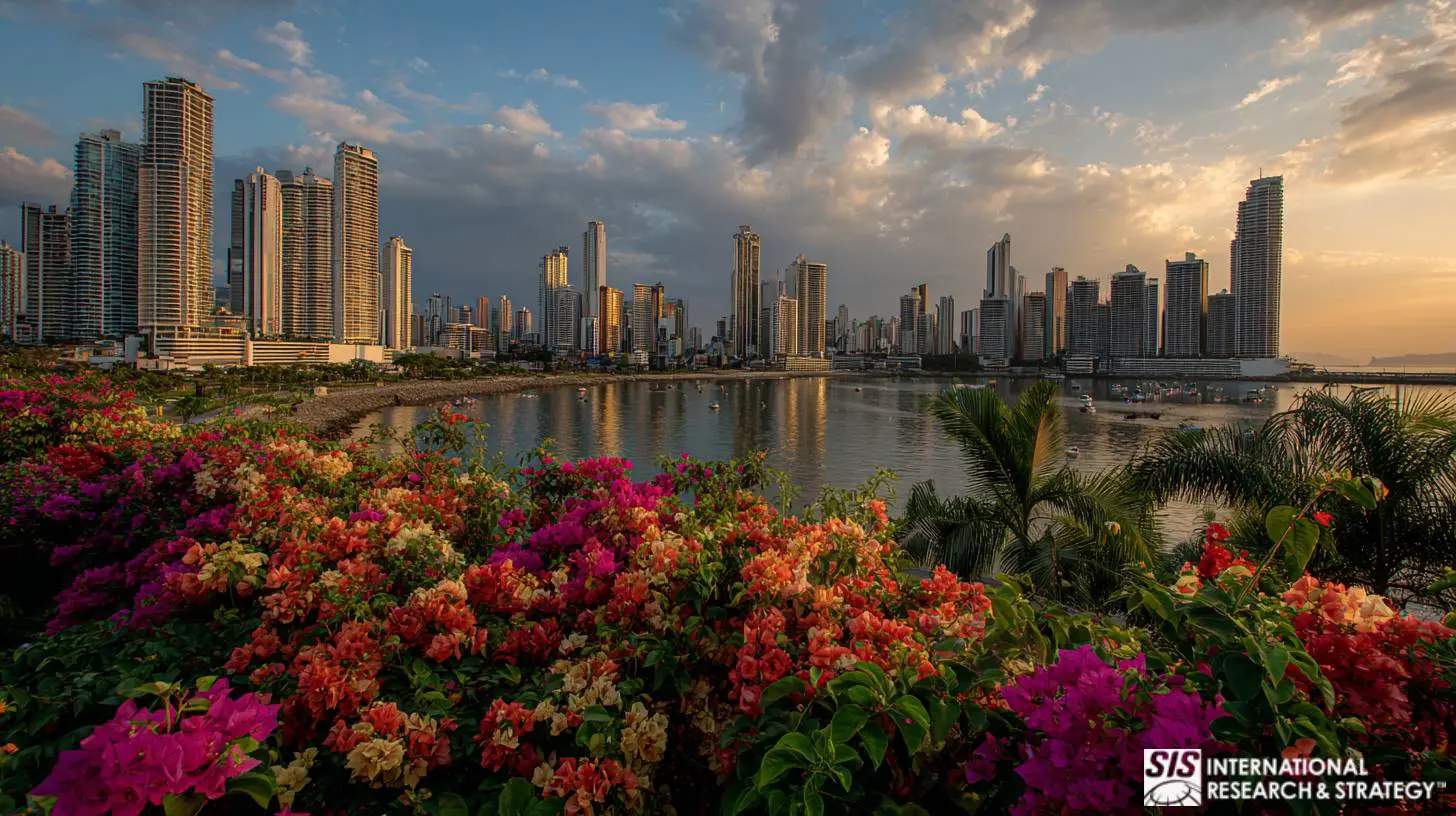
市場 研究 Panama: How Desk Research Powers Confident Entry Into Latin America’s Logistics Hub
Panama rewards investors who read the country correctly before deploying capital. Its dollarized economy, Canal-driven trade flows, and Colón Free Zone position it as a strategic node for industrial and financial expansion across the Americas. Desk research is where that read begins.
For Fortune 500 leadership teams evaluating Panamanian entry, joint ventures, or supply chain reconfiguration, structured secondary research compresses risk and sharpens the investment case before primary fieldwork begins. Done well, Market Research Panama through desk methods surfaces the regulatory, competitive, and demand signals that determine whether a thesis survives contact with the market.
Why Panama Rewards Disciplined Secondary Research
Panama is small in population but disproportionately important in trade, finance, and logistics. The Canal, the Tocumen hub, the Colón Free Zone, and a banking sector regulated by the Superintendencia de Bancos de Panamá (SBP) create overlapping data trails that a competent desk research program can triangulate.
The opportunity is asymmetric. Most public sources, Contraloría General de la República, INEC, MICI, ASEP, and the Autoridad del Canal de Panamá, publish in Spanish and require local interpretive context. Firms that read these sources fluently identify pricing benchmarks, freight rate movements, concession expirations, and procurement pipelines that English-only scans miss entirely.
The country’s removal from the FATF grey list, ongoing copper mining policy debates around Cobre Panamá, and the Canal’s water management response to drought conditions each materially shift sector economics. Desk research captures these structural shifts before they appear in primary interviews.
What Strong Market Research Panama Programs Cover
A serious desk research program for Panama covers six layers. Each maps to a distinct decision input for a VP-level sponsor.
- Macro and fiscal: sovereign rating actions, public debt trajectory, IMF Article IV findings, and dollarization implications for cost modeling.
- Regulatory: Gaceta Oficial filings, SBP circulars, ASEP rulings on utilities, and Ministry of Commerce and Industry (MICI) licensing requirements.
- Trade and logistics: Canal toll structures, Colón Free Zone re-export volumes, port concession terms at Balboa, Cristóbal, MIT, and PSA Panamá.
- Sector demand: installed base analytics, aftermarket revenue strategy benchmarks, and total cost of ownership comparisons against Costa Rica, Dominican Republic, and Colombia.
- Competitive: local conglomerate mapping (Grupo Melo, Empresas Bern, Motta family holdings), multinational footprints, and supplier qualification audit precedents.
- Talent and cost: wage benchmarks by Caja de Seguro Social brackets, expat package norms, and City of Knowledge cluster activity.
The Constructive Case: What Leading Firms Do Differently
The conventional approach treats Panama desk research as a country snapshot exercise. The better approach treats it as a hypothesis stress test. The distinction shows up in how findings are structured.
Leading entrants frame desk research around three decision questions. Is the addressable demand large enough and growing in the right segments. Are the regulatory and concession frameworks stable enough to underwrite a ten-year capital plan. Is the local competitive structure penetrable through acquisition, partnership, or greenfield. Each question maps to a different evidence set and a different risk register.
According to SIS International Research, B2B industrial and financial services clients evaluating Panama consistently underestimate the influence of family-owned conglomerates on distribution access and procurement cycles, and overestimate the speed at which public sector tenders convert from publication to award. Reading the conglomerate map correctly is often the difference between an 18-month entry and a 36-month entry.
Where Desk Research Ends and Primary Work Begins
Secondary research in Panama has clear limits. Pricing in B2B industrial categories is rarely published. Aftermarket revenue strategy assumptions cannot be validated without distributor interviews. Procurement timelines for state-owned entities like ETESA or the Canal Authority require expert sources, not press releases.
SIS International’s structured expert interviews across Panamanian real estate, construction, banking, and logistics have repeatedly shown that valuation methodologies, dealer margin structures, and concession bid economics deviate from regional norms in ways that only practitioner-level sourcing reveals. Desk research builds the question set. Primary research answers it.
The sequencing matters. Firms that commission B2B expert interviews before completing rigorous desk work waste interview time on context-setting. Firms that complete desk work first arrive at interviews with sharp, falsifiable hypotheses and extract decision-grade insight in fewer conversations.
A Practical Framework: The Panama Entry Evidence Stack
The Evidence Stack organizes Market Research Panama deliverables against the decisions they inform.
| Layer | Primary Sources | Decision Informed |
|---|---|---|
| Macro and fiscal | MEF, Contraloría, IMF, S&P, Moody’s, Fitch | Capital allocation and currency exposure |
| Regulatory | Gaceta Oficial, SBP, ASEP, MICI, ACODECO | Licensing path and compliance cost |
| Trade and logistics | ACP, AMP, Colón Free Zone Authority, Tocumen | Network design and tariff modeling |
| Sector demand | INEC, sector chambers (CCIAP, APEDE), trade press | Sizing and segmentation |
| 競争力 | Public Registry, Superintendencia filings, press | Build, buy, or partner |
| Talent and cost | MITRADEL, CSS, City of Knowledge, recruiters | Operating model and site selection |
Source: SIS International Research
Sectors Where Panama Desk Research Currently Compounds Value
Three sectors reward deep secondary work right now. Logistics and port infrastructure, where concession renewals and Canal water policy reshape capacity economics. Financial services, where post-grey-list correspondent banking is rebuilding and fintech licensing under SBP and the Acuerdo on virtual assets is maturing. Industrial distribution, where reshoring and nearshoring flows from Asia into Latin America route increasingly through Panamanian hubs.
SIS International’s competitive intelligence engagements in the region indicate that industrial buyers evaluating Panama as a Latin American distribution hub increasingly model the country against Costa Rica and the Dominican Republic on a total cost of ownership basis, with Canal access and dollarization weighing heavily once tax incentives under SEM and Multinational Headquarters regimes are factored in.
What a Disciplined Desk Research Output Looks Like

A useful Panama desk research deliverable is short, sourced, and decision-shaped. It identifies the three to five structural facts that move the investment case. It names the regulatory bodies, concession holders, and conglomerates by name. It quantifies what is quantifiable from public sources and flags what requires primary validation.
It also dates every claim against its source, distinguishes structural facts from cyclical conditions, and presents a falsifiable view rather than a balanced summary. Balance is the enemy of decision. Evidence and a clear read are the goal.
The SIS Position
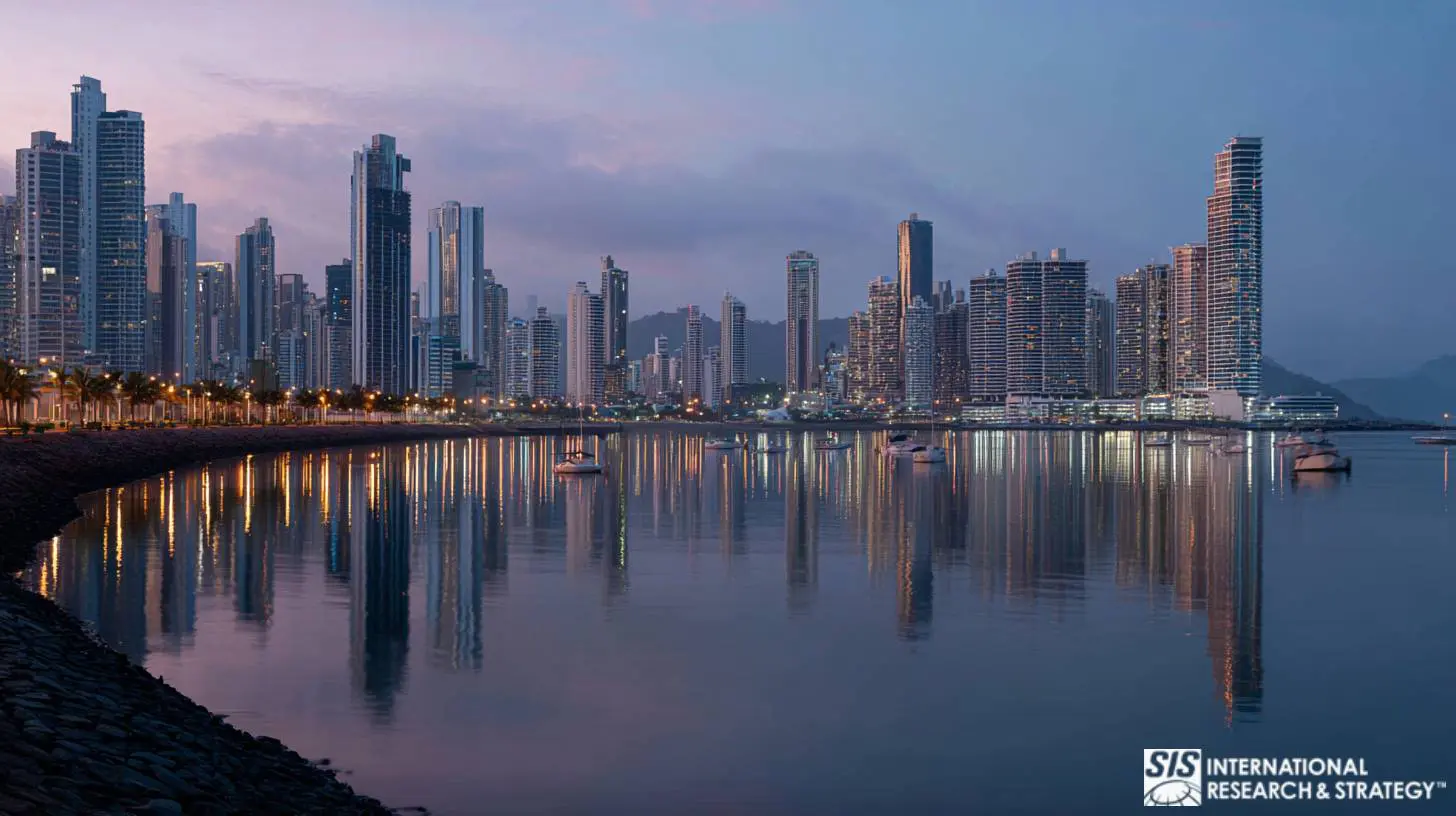
SIS International Research has conducted Market Research Panama engagements across financial services, real estate appraisal, construction, logistics, and industrial distribution for four decades. Desk research, B2B expert interviews, market entry assessments, and competitive intelligence are run as integrated programs, not sequential deliverables, with Spanish-language sourcing and in-region practitioner networks. The output is built for a board memo, not a research file.
For VP-level sponsors weighing Panamanian expansion, the question is rarely whether to commission Market Research Panama. It is how quickly the desk research can be sharpened into a defensible thesis, and how cleanly that thesis hands off to primary validation.
SISインターナショナルについて
SISインターナショナル 定量的、定性的、戦略的な調査を提供します。意思決定のためのデータ、ツール、戦略、レポート、洞察を提供します。また、インタビュー、アンケート、フォーカス グループ、その他の市場調査方法やアプローチも実施します。 お問い合わせ 次の市場調査プロジェクトにご利用ください。

 JA
JA  EN
EN  AR
AR  ZH
ZH  ZH_HK
ZH_HK  NL
NL  FR
FR  DE
DE  IT
IT  KO
KO  PL
PL  PT
PT  ES
ES