
Société de gestion hôtelière Études de marché et conseil en stratégie

Les études de marché et le conseil en stratégie des sociétés de gestion hôtelière permettent aux sociétés de gestion hôtelière d'identifier les opportunités, d'évaluer les risques et de prendre des décisions éclairées pour favoriser la réussite de leur entreprise.
Dans un secteur où les préférences des clients, les tendances du marché et les paysages concurrentiels évoluent rapidement, rester en tête nécessite une compréhension approfondie de la dynamique du marché. Comment les sociétés de gestion hôtelière peuvent-elles tirer parti de recherches approfondies et d’informations stratégiques pour optimiser leurs opérations et parvenir à une croissance durable ?
Qu’est-ce que l’étude de marché et le conseil en stratégie sur les sociétés de gestion hôtelière ?
Les études de marché et les conseils en stratégie des sociétés de gestion hôtelière fournissent des informations et des conseils inestimables aux sociétés de gestion hôtelière. Cela implique de collecter et d’analyser des données liées aux tendances du secteur, aux préférences des clients, aux stratégies des concurrents et à la dynamique du marché.
Cela peut inclure le développement de stratégies de marketing, l'optimisation des pratiques de gestion des revenus, l'amélioration de l'expérience client et l'expansion sur de nouveaux marchés. En s'associant à des consultants expérimentés, les sociétés de gestion hôtelière peuvent accéder à une expertise, des ressources et des meilleures pratiques qui les aident à relever les défis, à capitaliser sur les opportunités et à rester compétitives dans le secteur dynamique de l'hôtellerie.
Pourquoi les entreprises ont-elles besoin d’études de marché et de conseils en stratégie pour les sociétés de gestion hôtelière ?
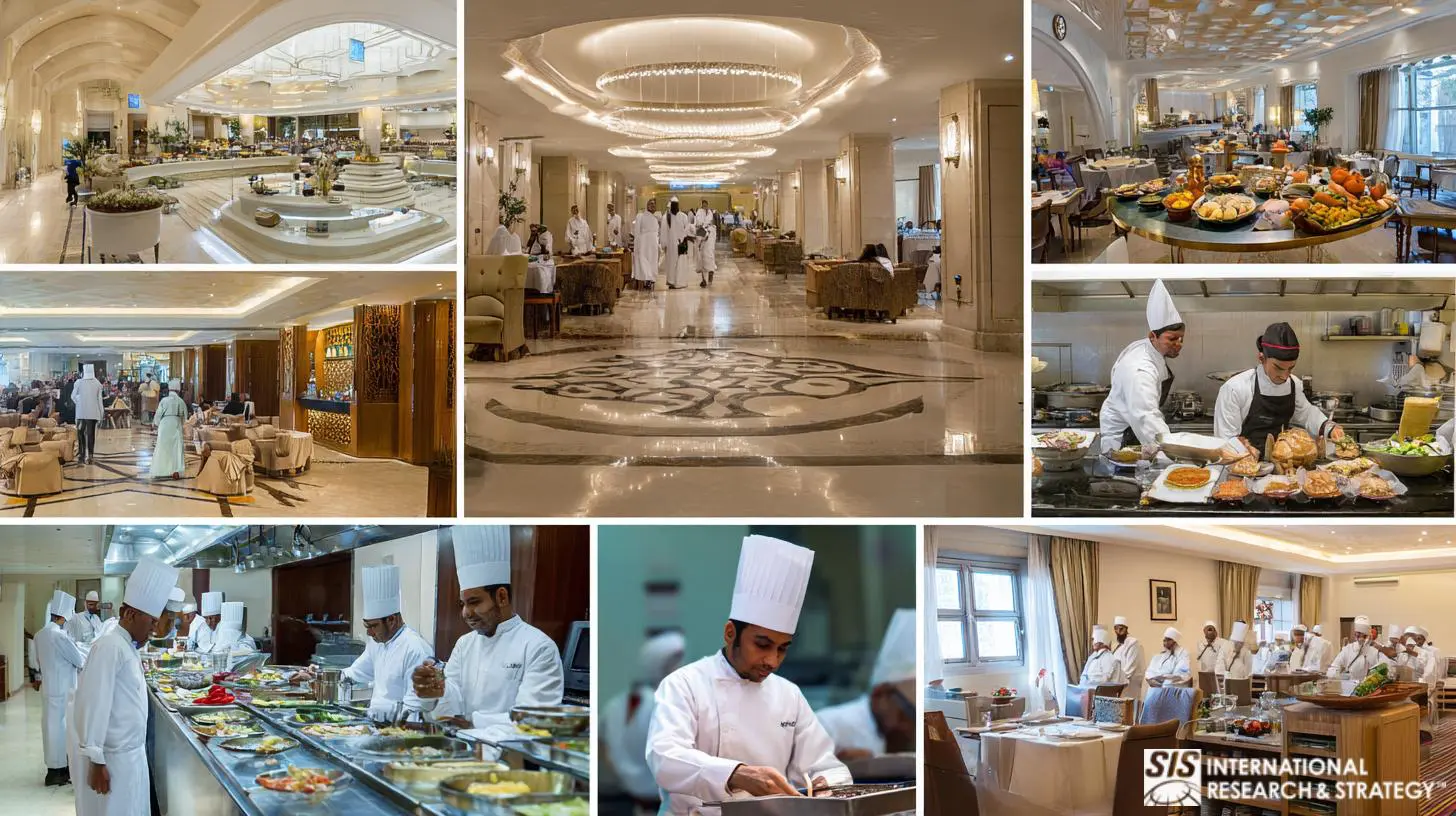
Les études de marché et les conseils en stratégie des sociétés de gestion hôtelière fournissent des informations précieuses sur les données démographiques des clients, les modèles de réservation, les fluctuations de la demande et les tendances émergentes. Cela permet aux sociétés de gestion hôtelière d’adapter leurs offres et leurs stratégies marketing pour répondre à l’évolution des demandes du marché.
En outre, le conseil stratégique permet aux sociétés de gestion hôtelière de prendre des décisions éclairées sur les aspects critiques de leur activité, tels que les stratégies de tarification, les canaux de distribution, le développement de produits et les plans d'expansion. En tirant parti des analyses d'experts et des cadres stratégiques, les entreprises peuvent identifier les opportunités de croissance, atténuer les risques et allouer efficacement les ressources pour atteindre leurs objectifs stratégiques.
Grâce à des études de marché complètes et à des analyses stratégiques, les sociétés de gestion hôtelière peuvent identifier leurs forces et leurs faiblesses concurrentielles par rapport aux autres acteurs du marché. Cela permet aux entreprises de différencier leurs offres, de capitaliser sur des arguments de vente uniques et de se forger une position distincte sur le marché qui trouve un écho auprès des clients cibles.
Quels sont les principaux avantages de l’étude de marché et du conseil en stratégie des sociétés de gestion hôtelière ?
Les sociétés de gestion hôtelière peuvent tirer de nombreux avantages de la participation à des études de marché et à des conseils en stratégie :
- Avantage compétitif: En comprenant le paysage concurrentiel et en identifiant des opportunités de marché uniques, les sociétés de gestion hôtelière peuvent différencier leurs offres, améliorer leur positionnement concurrentiel et conquérir des parts de marché.
- Opérations optimisées : Les études de marché et les conseils en stratégie des sociétés de gestion hôtelière aident les sociétés de gestion hôtelière à optimiser leurs processus opérationnels, à rationaliser les flux de travail et à allouer efficacement les ressources, ce qui entraîne une productivité améliorée, des économies de coûts et des performances améliorées.
- Hausse des revenus: Des stratégies efficaces de gestion des revenus, éclairées par des études de marché et des analyses stratégiques, permettent aux sociétés de gestion hôtelière de maximiser la génération de revenus, de capitaliser sur les opportunités de tarification et de parvenir à une croissance durable.
- Expériences clients améliorées : Les informations issues des études de marché et des conseils en stratégie des sociétés de gestion hôtelière peuvent éclairer le développement de stratégies centrées sur le client, d'expériences personnalisées et d'équipements innovants qui répondent à l'évolution des préférences des clients et améliorent la satisfaction globale.
- Atténuation des risques: Le conseil stratégique aide les sociétés de gestion hôtelière à identifier et à atténuer les risques, à anticiper les évolutions du marché et à s'adapter de manière proactive à l'évolution de la dynamique du secteur, réduisant ainsi l'exposition aux menaces et aux incertitudes potentielles.
Quand réaliser une étude de marché et un conseil en stratégie pour une société de gestion hôtelière
Les sociétés de gestion hôtelière devraient envisager de mener des études de marché et des conseils en stratégie à des moments stratégiques :
- Entrée ou expansion sur le marché : Avant de pénétrer de nouveaux marchés ou d'étendre les opérations existantes, la réalisation d'études de marché approfondies et de conseils en stratégie pour les sociétés de gestion hôtelière aide les entreprises à évaluer le potentiel du marché, à identifier les segments cibles et à développer des stratégies d'entrée adaptées aux conditions du marché local.
- Développement de produits : Avant de lancer de nouveaux produits, services ou commodités, les études de marché peuvent fournir des informations sur les préférences des clients, les moteurs de la demande et les offres concurrentielles, guidant ainsi les efforts de développement de produits et garantissant l'alignement avec les besoins du marché.
- Gestion de crise: En période de crise ou d'incertitude, comme un ralentissement économique, une catastrophe naturelle ou une pandémie mondiale, les études de marché et le conseil en stratégie peuvent fournir des informations précieuses pour relever les défis, atténuer les risques et adapter les stratégies aux circonstances changeantes.
Questions à poser avant de mener une étude de marché et un conseil en stratégie pour une société de gestion hôtelière
Avant de se lancer dans des initiatives d’études de marché et de conseil en stratégie, les sociétés de gestion hôtelière doivent se poser les questions suivantes :
- Analyse de marché: Quelles sont les tendances, la dynamique et les opportunités de croissance actuelles du marché de l’industrie hôtelière ? Comment les préférences des clients, les stratégies des concurrents et les facteurs réglementaires influencent-ils la dynamique du marché ?
- Public cible: Qui sont nos clients cibles et quels sont leurs données démographiques, leurs comportements et leurs préférences ? Comment pouvons-nous segmenter et cibler efficacement différents segments de clientèle pour maximiser la pénétration du marché et la génération de revenus ?
- Paysage concurrentiel : Qui sont nos principaux concurrents, quels sont leurs points forts, leurs points faibles et leur positionnement sur le marché ? Quelles propositions de valeur uniques et quels avantages concurrentiels pouvons-nous exploiter pour différencier nos offres et acquérir un avantage concurrentiel ?
- Objectifs stratégiques: Quels sont nos objectifs à court et à long terme, et comment les études de marché et le conseil en stratégie peuvent-ils soutenir leur réalisation ? Comment hiérarchiser les initiatives, allouer les ressources et mesurer le succès ?
- L'évaluation des risques: Quels sont les principaux risques, défis et incertitudes auxquels notre entreprise est confrontée, et comment pouvons-nous les atténuer efficacement ? Comment les facteurs externes tels que les conditions économiques, les changements réglementaires et les événements géopolitiques influencent-ils nos décisions stratégiques ?
- Évaluation du retour sur investissement : Quels sont les coûts et les avantages attendus de la réalisation d’initiatives d’études de marché et de conseil en stratégie ? Comment mesurons-nous le retour sur investissement (ROI) et l’efficacité de ces efforts pour stimuler la croissance et la rentabilité de l’entreprise ?
Résultats attendus de l'étude de marché et du conseil en stratégie de la société de gestion hôtelière de SIS
Les sociétés de gestion hôtelière peuvent s’attendre aux résultats suivants en faisant appel à SIS International pour des études de marché et des conseils en stratégie :
- Informations complètes sur le marché : SIS International fournit une analyse approfondie du marché, une segmentation de la clientèle et une veille sur la concurrence, offrant aux sociétés de gestion hôtelière une compréhension complète des tendances, de la dynamique et des opportunités de croissance du marché.
- Recommandations stratégiques : S'appuyant sur une vaste expertise sectorielle et des cadres stratégiques, SIS International propose des recommandations concrètes et des feuilles de route pour atteindre les objectifs commerciaux, optimiser les opérations et maximiser le potentiel de revenus.
- Stratégies d'atténuation des risques : SIS aide les sociétés de gestion hôtelière à identifier et à atténuer les risques, à anticiper les évolutions du marché et à élaborer des plans d'urgence pour faire face efficacement aux défis et aux incertitudes.
- Prise de décision améliorée : En fournissant des informations opportunes et pertinentes sur le marché, SIS permet aux sociétés de gestion hôtelière de prendre des décisions éclairées, de prioriser les initiatives et d'allouer les ressources de manière stratégique, améliorant ainsi les processus décisionnels et les résultats.
- Compétitivité renforcée : Tirant parti des informations issues des études de marché et des analyses stratégiques, SIS International permet aux sociétés de gestion hôtelière de différencier leurs offres, de capitaliser sur leurs avantages concurrentiels et de renforcer leur positionnement sur le marché, favorisant ainsi une croissance et une compétitivité durables.
- Résultats mesurables : SIS International utilise des méthodologies et des mesures de performance rigoureuses pour mesurer l'efficacité et l'impact des initiatives d'études de marché et de conseil en stratégie. Cela permet aux sociétés de gestion hôtelière de suivre les progrès, d’évaluer le retour sur investissement et d’optimiser les stratégies d’amélioration continue.
Industries clés des études de marché et du conseil en stratégie des sociétés de gestion hôtelière
Les services d’études de marché et de conseil en stratégie des sociétés de gestion hôtelière sont essentiels dans diverses industries du secteur hôtelier :
- Hospitalité de luxe : Dans le secteur de l'hôtellerie de luxe, les études de marché et le conseil en stratégie sont essentiels pour que les sociétés de gestion hôtelière comprennent les préférences et les attentes des voyageurs aisés, développent des expériences sur mesure et maintiennent les plus hauts standards de service et de luxe.
- Gestion de la station : Les sociétés de gestion de complexes hôteliers bénéficient d'études de marché et de conseils en stratégie pour identifier les tendances émergentes en matière de voyage, améliorer l'expérience des clients et optimiser les opérations du complexe, y compris les équipements, les activités et les offres de loisirs.
- Voyage d'affaires: Pour les hôtels accueillant des voyageurs d'affaires, les études de marché aident à identifier les tendances en matière de voyages d'affaires, les préférences en matière d'équipements et de services, ainsi que les stratégies permettant d'attirer et de fidéliser les entreprises clientes, tandis que le conseil stratégique soutient les efforts visant à optimiser les flux de revenus et à renforcer les partenariats d'entreprise.
- Hôtels de charme : Les sociétés de gestion d'hôtels-boutiques s'appuient sur des études de marché et des conseils en stratégie pour différencier leurs propriétés, attirer des marchés de niche et proposer des expériences clients uniques. Ils exploitent des informations sur les tendances de style de vie, les préférences en matière de conception et les voyages expérientiels.
- Chaînes de marque : Les chaînes hôtelières de marque tirent parti des études de marché et du conseil en stratégie pour améliorer le positionnement de leur marque, optimiser la gestion de leur portefeuille de marques et développer des stratégies marketing ciblées pour attirer et fidéliser des clients fidèles dans différents segments de marché et régions géographiques.
- Hôtellerie durable : En mettant de plus en plus l'accent sur la durabilité et le tourisme responsable, les sociétés de gestion hôtelière du secteur de l'hôtellerie durable bénéficient d'études de marché pour comprendre les attitudes et les comportements des consommateurs à l'égard de la durabilité et de conseils stratégiques pour développer des initiatives de durabilité, réduire l'impact environnemental et renforcer les efforts de responsabilité sociale des entreprises.
Aperçus régionaux
Les dynamiques régionales jouent un rôle important dans l’élaboration du paysage des études de marché et du conseil en stratégie des sociétés de gestion hôtelière :
- Amérique du Nord: En Amérique du Nord, les sociétés de gestion hôtelière bénéficient d’un marché hôtelier mature et d’une forte demande de la part des voyageurs nationaux et internationaux. Les études de marché et le conseil en stratégie des sociétés de gestion hôtelière se concentrent sur la satisfaction de divers segments de clientèle, l'optimisation des sources de revenus et l'adaptation aux préférences changeantes des consommateurs.
- L'Europe : L’Europe possède un riche patrimoine hôtelier et une offre touristique diversifiée, ce qui en fait un marché clé pour les sociétés de gestion hôtelière. Les services d'études de marché et de conseil en stratégie en Europe mettent l'accent sur la différenciation du marché, les pratiques de tourisme durable et l'exploitation des atouts culturels pour attirer les voyageurs du monde entier.
- Asie-Pacifique: Avec une croissance économique rapide et une richesse croissante, la région Asie-Pacifique présente d’importantes opportunités pour les sociétés de gestion hôtelière. Les services d'études de marché et de conseil en stratégie des sociétés de gestion hôtelière en Asie-Pacifique se concentrent sur la compréhension des nuances du marché local, la capitalisation des tendances émergentes en matière de voyage et la gestion des complexités réglementaires sur divers marchés.
- Moyen-Orient et Afrique : La région du Moyen-Orient et de l’Afrique connaît une urbanisation et un développement d’infrastructures rapides, ce qui stimule la demande de services d’accueil. Les services d'études de marché et de conseil en stratégie de cette région se concentrent sur l'hôtellerie de luxe, le développement de centres de villégiature et la valorisation du patrimoine culturel pour attirer les touristes.
Facteurs de marché
Plusieurs facteurs stimulent la croissance et l’innovation dans le secteur de la gestion hôtelière :
- Tendances mondiales des voyages: La mondialisation croissante, l'augmentation des revenus disponibles et l'intérêt croissant pour les voyages expérientiels stimulent la demande d'hébergement hôtelier dans le monde entier. Alors que de plus en plus de personnes voyagent pour les loisirs, les affaires et l'exploration, les sociétés de gestion hôtelière ont la possibilité d'étendre leur portée et de répondre à divers segments de clientèle.
- Les avancées technologiques: Les innovations technologiques, telles que les applications mobiles, l'enregistrement sans contact et les équipements intelligents dans les chambres, remodèlent l'expérience client et améliorent l'efficacité opérationnelle. Les sociétés de gestion hôtelière qui exploitent la technologie pour rationaliser leurs opérations, personnaliser les interactions avec les clients et offrir des expériences fluides acquièrent un avantage concurrentiel sur le marché.
- L’essor de l’économie du partage: L'essor des plateformes d'économie collaborative, telles qu'Airbnb et HomeAway, a bouleversé l'industrie hôtelière traditionnelle en proposant des options d'hébergement alternatives aux voyageurs. Les sociétés de gestion hôtelière réagissent en diversifiant leurs offres, en adoptant des partenariats collaboratifs et en améliorant l'expérience client pour être compétitives efficacement dans ce paysage en évolution.
Restrictions du marché
Malgré les opportunités de croissance, les sociétés de gestion hôtelière sont également confrontées à plusieurs défis :
- Conformité réglementaire: Le respect des réglementations locales, des lois de zonage, des codes du bâtiment et des exigences en matière de licences peut poser des défis pour le développement et l'exploitation des hôtels. Naviguer dans les complexités réglementaires nécessite une planification minutieuse, une expertise et une collaboration avec les autorités locales.
- Pénuries de main-d'œuvre: Les pénuries de main-d'œuvre qualifiée, en particulier dans les rôles spécifiques à l'hôtellerie tels que les chefs, les femmes de ménage et le personnel de la réception, peuvent avoir un impact sur la qualité du service, l'efficacité opérationnelle et la satisfaction des clients. Les sociétés de gestion hôtelière doivent relever les défis liés à la main-d’œuvre grâce à des stratégies de recrutement, de formation et de rétention.
- Incertitude économique: Les fluctuations économiques, les tensions géopolitiques et les événements mondiaux tels que les pandémies ou les catastrophes naturelles peuvent avoir un impact sur la demande de voyages et la confiance des consommateurs, entraînant une volatilité des revenus et des perturbations opérationnelles pour les sociétés de gestion hôtelière.
Opportunités dans les études de marché et le conseil en stratégie des sociétés de gestion hôtelière
Malgré les défis, plusieurs opportunités existent pour les sociétés de gestion hôtelière :
- L'expansion du marché: Avec une demande croissante de voyages et de tourisme dans le monde entier, les sociétés de gestion hôtelière ont des opportunités de se développer sur de nouveaux marchés nationaux et internationaux. Les études de marché et les conseils stratégiques peuvent aider à identifier les marchés inexploités, à évaluer le potentiel du marché et à développer des stratégies d'entrée adaptées aux préférences et réglementations locales.
- Initiatives de durabilité: La sensibilisation croissante des consommateurs et la demande croissante de voyages durables offrent aux sociétés de gestion hôtelière des opportunités de mettre en œuvre des pratiques respectueuses de l'environnement et de se différencier sur le marché. Les études de marché et les conseils en stratégie des sociétés de gestion hôtelière peuvent identifier les préférences des consommateurs en matière de durabilité et d’initiatives respectueuses de l’environnement. En revanche, le conseil stratégique peut aider à développer et à mettre en œuvre des stratégies de développement durable qui s'alignent sur les valeurs de l'entreprise et améliorent la réputation de la marque.
- Partenariats et collaborations: La collaboration avec d'autres acteurs du secteur, tels que les organisations de marketing de destination, les agences de voyages et les entreprises locales, offre aux sociétés de gestion hôtelière des opportunités d'étendre leur portée, d'attirer de nouveaux clients et de créer des synergies. Le conseil stratégique peut aider à identifier des partenaires potentiels, à négocier des collaborations et à développer des initiatives marketing conjointes pour maximiser les avantages mutuels.
industry Attractiveness: Porter’s Five Forces Analysis of the Hotel Management Company Market
L'analyse des cinq forces de Porter donne un aperçu de la dynamique concurrentielle et de l'attractivité du marché des sociétés de gestion hôtelière :
- La menace de nouveaux participants: La menace de nouveaux entrants sur le marché des sociétés de gestion hôtelière est modérée. Même si les barrières à l’entrée, telles que les exigences en matière de capital, la reconnaissance de la marque et l’expertise du secteur, peuvent dissuader de nouveaux acteurs, l’essor des plateformes technologiques et de l’économie du partage a abaissé les barrières à l’entrée pour les opérateurs indépendants et les hôteliers de charme.
- Le pouvoir de négociation des acheteurs: Le pouvoir de négociation des acheteurs sur le marché des sociétés de gestion hôtelière est important. Grâce à un accès facile aux plateformes de réservation en ligne et aux sites de comparaison de prix, les consommateurs bénéficient d'une transparence et d'un choix accrus lors de la sélection d'un hébergement.
- Pouvoir de négociation des fournisseurs: Le pouvoir de négociation des fournisseurs sur le marché des sociétés de gestion hôtelière varie selon le type de fournisseur. Alors que les grandes chaînes hôtelières peuvent avoir un pouvoir de négociation important avec les fournisseurs de biens et de services, les hôtels indépendants et les établissements de charme peuvent avoir besoin d'aide pour négocier des conditions favorables en raison de leur plus petite taille et de leur pouvoir d'achat limité.
- La menace des substituts: La menace de substituts sur le marché des sociétés de gestion hôtelière est modérée. Même si les options d’hébergement alternatives telles que les locations de vacances, les appartements avec services et les auberges menacent les hôtels traditionnels, elles s’adressent souvent à différents segments de voyageurs. Ils peuvent offrir différents équipements ou services.
- Rivalité concurrentielle: La concurrence sur le marché des sociétés de gestion hôtelière est intense. De nombreux acteurs, notamment des chaînes hôtelières mondiales, des opérateurs indépendants et des plateformes d’économie collaborative, se disputent des parts de marché.
Comment les études de marché et le conseil en stratégie de la société de gestion hôtelière de SIS International aident les entreprises
SIS International propose une gamme de services adaptés aux besoins uniques des sociétés de gestion hôtelière :
- Connaissance du marché: SIS International fournit des services complets d'études de marché, comprenant la taille du marché, l'analyse des tendances, l'analyse comparative des concurrents et les informations sur les consommateurs. En tirant parti de méthodologies de recherche avancées et de l'expertise du secteur, SIS International aide les sociétés de gestion hôtelière à acquérir une compréhension approfondie de la dynamique du marché, des préférences des clients et des paysages concurrentiels.
- Planification stratégique: Nous proposons des services de conseil stratégique pour aider les sociétés de gestion hôtelière à développer des stratégies concrètes de croissance, d'expansion et de différenciation concurrentielle. Des stratégies d'entrée sur le marché au positionnement de la marque et au développement de produits, SIS International collabore étroitement avec ses clients pour identifier les opportunités, atténuer les risques et atteindre les objectifs commerciaux.
- Optimisation opérationnelle: SIS aide les sociétés de gestion hôtelière à optimiser leurs processus opérationnels, à améliorer leur efficacité et à réaliser des économies. Notre équipe aide les clients à rationaliser les flux de travail, à améliorer la productivité et à offrir une expérience client de qualité supérieure grâce à des audits opérationnels, des analyses comparatives des performances et des recommandations de bonnes pratiques.
- La gestion des recettes: SIS International fournit des services de conseil en gestion des revenus pour aider les sociétés de gestion hôtelière à maximiser leur potentiel de revenus, à optimiser leurs stratégies de tarification et à améliorer leurs pratiques de gestion du rendement. En analysant les modèles de demande, les tendances du marché et les stratégies de tarification des concurrents, SIS International aide ses clients à optimiser leurs flux de revenus et à atteindre une rentabilité durable.
- Développement de marque et marketing: SIS International aide les sociétés de gestion hôtelière à développer des identités de marque convaincantes, des stratégies marketing et des initiatives d'engagement des clients. SIS aide ses clients à créer des expériences de marque mémorables et à fidéliser et défendre leurs clients.

 FR
FR  EN
EN  AR
AR  ZH
ZH  ZH_HK
ZH_HK  NL
NL  DE
DE  IT
IT  JA
JA  KO
KO  PL
PL  PT
PT  ES
ES