
Conseil en technologie hôtelière intelligente
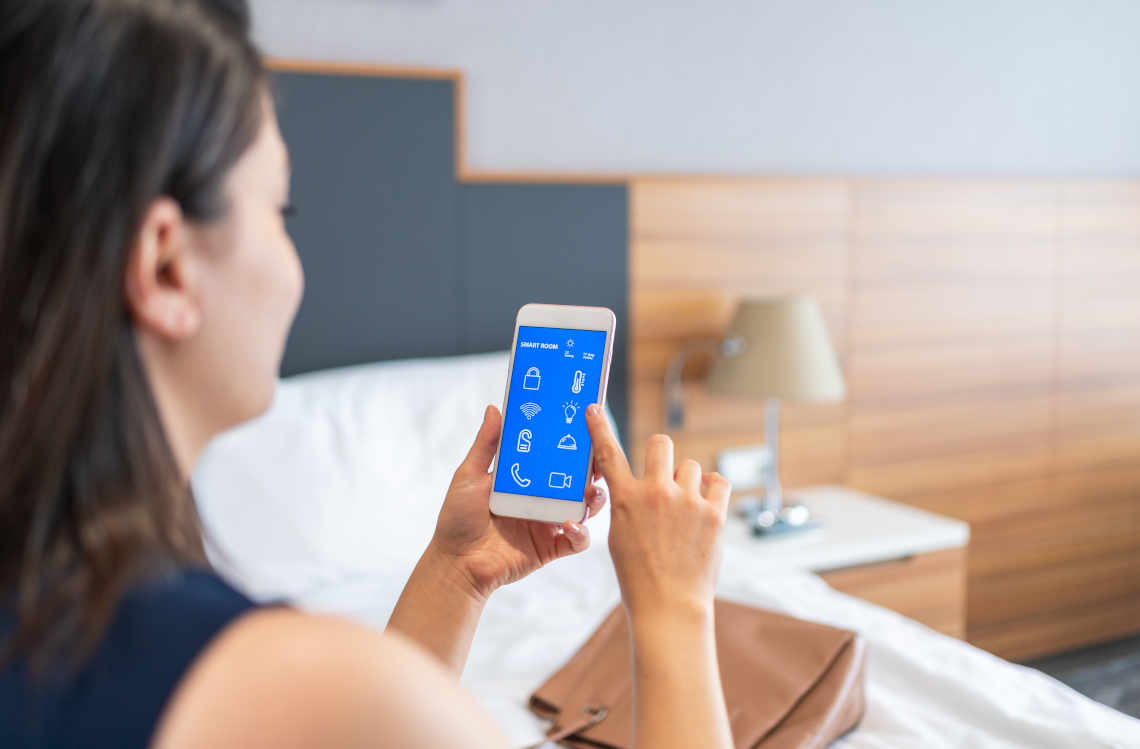
Le conseil en technologie hôtelière intelligente implique l'intégration de technologies de pointe telles que l'IA, l'IoT et l'analyse de données pour créer une expérience transparente, intuitive et mémorable pour les clients. En fait, l’adoption de technologies hôtelières intelligentes devient rapidement une référence en matière de réussite dans le secteur hôtelier, ce qui rend impératif pour les hôtels de comprendre, de mettre en œuvre et d’optimiser efficacement ces technologies.
Comprendre le conseil en technologie hôtelière intelligente
Le conseil en technologie hôtelière intelligente combine les nuances de la gestion hôtelière avec les dernières avancées technologiques. Il transforme les opérations hôtelières traditionnelles en établissements hautement efficaces, centrés sur le client et technologiquement avancés.
Cela implique de créer un parcours plus personnalisé, engageant et fluide pour chaque client. De la personnalisation des chambres basée sur l'IA à l'enregistrement et au départ mobiles, la technologie est utilisée pour anticiper et répondre aux préférences uniques de chaque client. De plus, la technologie intelligente peut faciliter une meilleure communication entre le personnel de l'hôtel et les clients, garantissant que les demandes et les commentaires sont traités rapidement et efficacement.
De plus, le conseil en technologie hôtelière intelligente aide les entreprises à optimiser leurs ressources, à réduire leurs coûts et à améliorer leurs performances globales. Cela peut inclure la gestion de l’énergie grâce à des thermostats intelligents, une gestion efficace des stocks avec l’IoT et des systèmes de sécurité améliorés. En mettant en œuvre ces technologies, les hôtels peuvent non seulement améliorer leurs résultats, mais également contribuer à des pratiques durables et respectueuses de l'environnement.
Le conseil en technologie hôtelière intelligente est essentiel pour rester compétitif sur un marché encombré. L'industrie hôtelière connaît une évolution où les approches traditionnelles de l'hospitalité ne suffisent plus à attirer et à fidéliser les clients. Les hôtels doivent adopter les innovations technologiques pour se différencier – et les solutions technologiques intelligentes, telles que les paramètres personnalisés des chambres contrôlés via le smartphone d'un client ou le service client basé sur l'IA, peuvent distinguer un hôtel de ses concurrents.
De plus, les voyageurs d'aujourd'hui s'attendent à une expérience fluide, efficace et personnalisée, du moment de la réservation jusqu'au moment du départ. Le conseil en technologie hôtelière intelligente aide les hôtels à répondre à ces attentes en intégrant des technologies avancées telles que l'IA, l'IoT et les applications mobiles. Ces technologies peuvent fournir des recommandations personnalisées, une prestation de service instantanée et un niveau de commodité adapté aux modes de vie modernes.
Cependant, l'adoption du conseil en technologie hôtelière intelligente apporte une multitude d'avantages au secteur hôtelier, notamment :
- Informations basées sur les données : L'utilisation de technologies intelligentes permet aux hôtels de collecter et d'analyser de grandes quantités de données. Ces informations sont inestimables pour comprendre les préférences des clients, optimiser les stratégies de tarification et prendre des décisions éclairées concernant les opérations et le marketing des hôtels.
- Augmentation des opportunités de revenus : La technologie intelligente ouvre de nouvelles voies pour générer des revenus. Par exemple, la vente incitative de services personnalisés ou l'utilisation d'analyses de données pour des campagnes marketing ciblées peuvent augmenter considérablement la rentabilité d'un hôtel.
- Améliorations en matière de durabilité : De nombreuses technologies intelligentes contribuent aux efforts de développement durable, telles que les systèmes d'éclairage et de climatisation économes en énergie.
- Sécurité renforcée: Les technologies intelligentes telles que les clés numériques et les systèmes de surveillance avancés garantissent une plus grande sécurité et une plus grande tranquillité d'esprit aux clients et au personnel.
- Avantage concurrentiel : En adoptant les dernières technologies intelligentes, les hôtels peuvent acquérir un avantage concurrentiel sur le marché. Cet avantage est crucial pour attirer les voyageurs férus de technologie et positionner l’hôtel comme un établissement moderne et avant-gardiste.
Quand effectuer un conseil en technologie hôtelière intelligente
Identifier le bon moment pour s'engager dans un conseil en technologie hôtelière intelligente est crucial pour maximiser son impact et garantir une intégration transparente dans les opérations d'un hôtel. Voici quelques moments clés pour envisager le conseil en technologie hôtelière intelligente :
- S'adapter aux attentes changeantes des clients : Lorsqu'un hôtel constate un écart entre ses services actuels et l'évolution des attentes des clients, notamment en termes de technologie et de personnalisation, il est temps de faire appel à des conseils en technologie hôtelière intelligente. Les clients d'aujourd'hui recherchent souvent des expériences personnalisées et de haute technologie, et ne pas les proposer peut placer un hôtel dans une position concurrentielle désavantageuse.
- Les inefficacités opérationnelles deviennent évidentes : Si un hôtel est confronté à des défis opérationnels tels que des coûts énergétiques élevés, un déploiement de personnel inefficace ou des services retardés, le conseil en technologie hôtelière intelligente peut fournir des solutions. Des technologies telles que l’IoT et l’IA peuvent rationaliser les opérations, les rendant plus efficaces et plus rentables.
- Mise à l’échelle des opérations : À mesure qu’un hôtel se développe ou étend ses services, l’intégration d’une technologie intelligente devient cruciale pour gérer efficacement cette échelle accrue. Le conseil peut aider à mettre en œuvre des solutions évolutives adaptées à la croissance sans compromettre la qualité du service.
- Répondre à la pression concurrentielle : Si les concurrents adoptent de plus en plus de technologies intelligentes et gagnent des parts de marché, c'est le signe qu'un hôtel doit moderniser son approche. Rester compétitif nécessite souvent d'adopter des technologies similaires pour offrir des expériences clients comparables ou supérieures.
- Nécessité d’une prise de décision fondée sur les données : À une époque où les données sont reines, les hôtels qui manquent d’informations basées sur les données pour prendre des décisions devraient envisager des conseils en technologie hôtelière intelligente. La capacité d'analyser les données des clients pour des services personnalisés, des opérations efficaces et un marketing stratégique est inestimable.
Principaux acteurs du marché des technologies hôtelières intelligentes
Le marché de la technologie hôtelière intelligente se caractérise par un large éventail d’acteurs, chacun apportant des solutions innovantes et façonnant l’avenir des opérations hôtelières et de l’expérience client. Comprendre qui sont ces acteurs clés et leurs offres est crucial pour tout hôtel qui envisage de se lancer dans une aventure technologique intelligente.
- Géants mondiaux de la technologie : Des entreprises comme Google, Amazon et Apple sont influentes dans le domaine technologique des hôtels intelligents, principalement grâce à leurs appareils à commande vocale et leurs plates-formes basées sur l'IA.
- Fournisseurs de solutions IoT : Des sociétés comme Control4 et Honeywell sont à l'avant-garde de la fourniture de solutions Internet des objets (IoT) pour les hôtels. Il s'agit notamment de thermostats intelligents, de commandes d'éclairage et de systèmes de gestion de l'énergie qui améliorent l'efficacité opérationnelle et le confort des clients.
- Spécialistes de la sécurité des données et de la confidentialité : Alors que les hôtels collectent et gèrent des quantités croissantes de données sur leurs clients, les entreprises spécialisées dans la sécurité et la confidentialité des données deviennent cruciales. Des entreprises comme Symantec et McAfee proposent des solutions pour protéger les hôtels contre les violations de données et les cybermenaces.
- Innovateurs en matière de développement durable : Il existe également des acteurs axés sur la durabilité, proposant des solutions technologiques respectueuses de l'environnement. Des entreprises comme Siemens et Schneider Electric proposent des systèmes intelligents de gestion de l'énergie qui aident les hôtels à réduire leur empreinte environnementale.
Tendances actuelles en matière de conseil en technologie hôtelière intelligente
Le paysage de la technologie hôtelière intelligente évolue continuellement, avec de nouvelles tendances émergentes alors que les hôtels cherchent à améliorer l'expérience client et à rationaliser leurs opérations. Se tenir au courant de ces tendances est essentiel pour que les hôtels restent compétitifs et pertinents dans le secteur hôtelier.
- Personnalisation grâce à l'IA : L’une des tendances les plus marquantes est l’utilisation de l’intelligence artificielle (IA) pour personnaliser l’expérience client. Cela inclut la personnalisation des chambres basée sur l'IA (où les conditions de la pièce telles que l'éclairage, la température et les divertissements sont ajustées en fonction des préférences des clients) et des concierges IA fournissant des recommandations et des services personnalisés.
- Intégration mobile : L'intégration de la technologie mobile dans les opérations hôtelières continue d'être une tendance importante. L'enregistrement et le départ mobiles, les clés numériques des chambres et la possibilité de contrôler les fonctionnalités de la chambre via une application pour smartphone deviennent des attentes standard pour les voyageurs férus de technologie.
- Technologies sans contact : En réponse aux préoccupations en matière de santé et de sécurité, les technologies sans contact ont gagné en importance. Cela inclut les paiements sans contact, les réceptions virtuelles et les appareils à commande vocale dans les chambres pour minimiser les contacts physiques.
- Internet des objets (IoT) pour l'efficacité opérationnelle : L'IoT est de plus en plus utilisé pour améliorer l'efficacité opérationnelle dans les hôtels. Les capteurs intelligents pour la gestion de l'énergie, la maintenance prédictive utilisant les données de l'IoT et la gestion automatisée des stocks sont des exemples de la façon dont l'IoT transforme les opérations hôtelières.
- Connectivité améliorée : L’Internet haut débit et les réseaux Wi-Fi robustes deviennent plus essentiels que jamais. Les hôtels investissent dans les infrastructures pour garantir une connectivité transparente, essentielle aux services de streaming, au travail à distance et au fonctionnement des appareils intelligents.
Opportunités de conseil en technologie hôtelière intelligente pour les entreprises
Le conseil en technologie hôtelière intelligente ouvre de nouvelles opportunités aux entreprises du secteur hôtelier. En tirant parti des dernières avancées technologiques, les hôtels peuvent améliorer considérablement leur efficacité opérationnelle, l’expérience client et leur compétitivité globale. Voici quelques opportunités clés offertes par le conseil en technologie hôtelière intelligente :
- Rationalisation des opérations : Le conseil en technologie intelligente peut aider les hôtels à rationaliser leurs opérations, les rendant ainsi plus efficaces et plus rentables. Les systèmes automatisés d’enregistrement/départ, de service en chambre et de planification du ménage peuvent réduire les coûts opérationnels et améliorer la productivité du personnel.
- Prise de décision basée sur les données : La mise en œuvre de technologies intelligentes permet aux hôtels de collecter et d'analyser de grandes quantités de données. Ces données peuvent être utilisées pour prendre des décisions éclairées concernant les stratégies marketing, les améliorations opérationnelles et les services clients, conduisant ainsi à de meilleurs résultats commerciaux.
- Améliorer l’efficacité énergétique et la durabilité : La technologie hôtelière intelligente peut améliorer considérablement l’efficacité énergétique, entraînant des économies de coûts et une empreinte environnementale réduite. Les systèmes intelligents d’éclairage, de chauffage et de climatisation peuvent s’ajuster automatiquement en fonction de l’occupation et des préférences, réduisant ainsi le gaspillage d’énergie.
- Construire un avantage concurrentiel : En adoptant les dernières technologies intelligentes, les hôtels peuvent se différencier sur un marché concurrentiel. Cette avance technologique peut constituer un attrait important pour les clients à la recherche d’une expérience hôtelière plus connectée, plus pratique et plus moderne.

 FR
FR  EN
EN  AR
AR  ZH
ZH  ZH_HK
ZH_HK  NL
NL  DE
DE  IT
IT  JA
JA  KO
KO  PL
PL  PT
PT  ES
ES