
Conseil en Automatisation des Télécommunications et Intelligence Artificielle
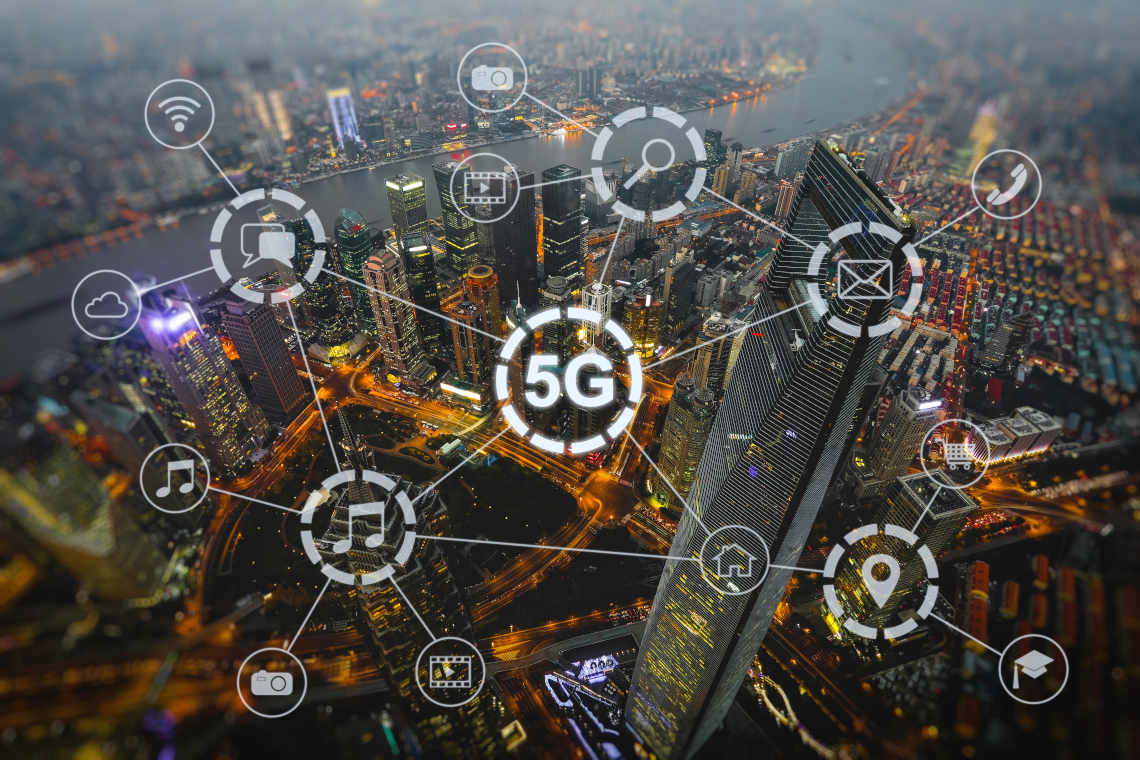
Avez-vous déjà imaginé un avenir où l’intégration transparente de la technologie et de la communication transformerait la façon dont nous nous connectons ? Le conseil en automatisation des télécommunications et en intelligence artificielle est un conseil en évolution rapide qui aide les entreprises de télécommunications à rester compétitives et pertinentes sur un marché des télécommunications en constante évolution.
Qu'est-ce que le conseil en automatisation des télécommunications et en intelligence artificielle et pourquoi est-ce important ?
Le conseil en automatisation des télécommunications et en intelligence artificielle est un domaine interdisciplinaire qui exploite des outils avancés pour libérer de nouveaux potentiels, stimuler la croissance et offrir un avantage concurrentiel dans un monde numérique en évolution rapide. Cette approche conseil permet aux entreprises de télécommunications de s’adapter aux tendances actuelles et également d’anticiper les évolutions futures de l’industrie.
L’un des principaux avantages de l’intégration de l’IA dans les télécommunications est de comprendre et de prédire le comportement des clients. Grâce aux capacités d'apprentissage profond de l'IA, les entreprises de télécommunications peuvent analyser de grandes quantités de données pour obtenir des informations sur les préférences des clients, les modèles d'utilisation et les niveaux de satisfaction.
L’IA ouvre également de nouvelles voies d’innovation dans les offres de produits et de services. Les entreprises peuvent développer de nouveaux produits et services qui répondent aux besoins changeants de leurs clients, tout en gardant une longueur d'avance sur la concurrence. Par exemple, l’IA peut aider à créer des forfaits de données personnalisés ou à recommander des services supplémentaires adaptés au comportement individuel des utilisateurs.
Comment mettre en œuvre le conseil en automatisation des télécommunications et en intelligence artificielle
Mener des conseils en automatisation des télécommunications et en intelligence artificielle nécessite une expertise technique, une connaissance du secteur et une vision avant-gardiste. Elle comporte plusieurs étapes critiques, chacune contribuant à l’intégration efficace de l’IA dans les opérations de télécommunications.
- Évaluation initiale: La première étape de ce processus de conseil est une évaluation approfondie de l’état actuel de l’entreprise de télécommunications. Cela comprend la compréhension de l'infrastructure technologique existante, des flux de travail opérationnels, des protocoles de service client et du positionnement sur le marché.
- Collecte et analyse des données : La collecte et l'analyse des données comprennent les données d'utilisation des clients, les mesures de performances du réseau, les journaux d'appels de service et les commentaires sur les réseaux sociaux. Des algorithmes d'IA avancés et des modèles d'apprentissage automatique sont ensuite utilisés pour analyser ces données, fournissant ainsi des informations sur des domaines tels que le comportement des clients, l'efficacité du réseau et les goulots d'étranglement opérationnels potentiels.
- Conception et personnalisation de solutions : La prochaine étape consiste à concevoir des solutions d’IA adaptées aux besoins et objectifs spécifiques de l’entreprise de télécommunications. Cela pourrait impliquer le développement d’algorithmes d’IA personnalisés pour la maintenance prédictive, la mise en œuvre de chatbots pour un service client amélioré ou l’utilisation de l’apprentissage automatique pour des campagnes marketing personnalisées.
- Intégration et mise en œuvre : Une fois les solutions d’IA conçues, l’accent est mis sur l’intégration de ces technologies dans l’infrastructure de télécommunications existante. Cette étape nécessite une planification minutieuse pour garantir une perturbation minimale des opérations en cours.
- Optimisation continue : Le conseil en automatisation des télécommunications et en intelligence artificielle comprend une surveillance continue pour garantir que les systèmes d’IA fonctionnent comme prévu. Cette phase implique également une optimisation régulière des outils et processus d’IA en fonction de nouvelles données, de retours d’information et de l’évolution des objectifs commerciaux.
- Formation et gestion du changement : Les employés doivent comprendre comment travailler avec les outils d’IA et comment interpréter et utiliser les informations générées par l’IA. Il est tout aussi important de s’attaquer à toute résistance au changement, en veillant à ce que l’ensemble de l’organisation soit aligné et avance ensemble.
Facteurs clés de succès dans le conseil en automatisation des télécommunications et en intelligence artificielle
Pour que le conseil en automatisation des télécommunications et en intelligence artificielle soit vraiment efficace et exploite tout son potentiel, les entreprises doivent prendre en compte plusieurs facteurs clés de succès. Ces facteurs sont essentiels pour guider les entreprises de télécommunications tout au long du processus complexe d’intégration de l’IA dans leurs opérations et pour garantir que le déploiement de ces technologies entraîne des avantages commerciaux tangibles.
- Qualité et intégration des données : La base de toute application d’IA réussie repose sur des données de haute qualité. Dans le contexte des télécommunications, cela signifie des données précises, complètes et actuelles sur les performances du réseau, les interactions avec les clients, l'utilisation des services, etc. L’intégration de ces données à travers diverses sources et systèmes est tout aussi importante, permettant une vision globale que les algorithmes d’IA peuvent analyser efficacement.
- Expertise technique et infrastructure : La mise en œuvre de solutions d’IA nécessite un certain niveau d’expertise technique et d’infrastructure. Les entreprises de télécommunications doivent investir dans les talents appropriés, notamment des data scientists, des spécialistes de l'IA et des professionnels de l'informatique, capables de développer, déployer et gérer des applications d'IA. De plus, l’infrastructure informatique existante doit être capable de prendre en charge ces technologies avancées, tant en termes de matériel que de logiciels.
- Engagement et adhésion des parties prenantes : Pour que les initiatives d'IA réussissent, il est essentiel d'obtenir l'engagement et l'adhésion de toutes les parties prenantes, y compris la direction, les employés et les clients. La direction doit défendre les initiatives d'IA, les employés doivent être formés et motivés pour s'adapter aux nouvelles technologies, et les clients doivent être informés des avantages que ces innovations apportent à leur expérience.
- Considérations éthiques et conformité : À mesure que l’IA devient plus répandue, les considérations éthiques et la conformité réglementaire deviennent de plus en plus importantes. Les entreprises de télécommunications doivent s'assurer que leurs applications d'IA respectent les normes éthiques et respectent la vie privée des clients. Le respect des réglementations sur la protection des données et des autres exigences légales est également crucial pour éviter les pièges potentiels.
- Apprentissage continu et adaptation : Le paysage de l’IA évolue continuellement, tout comme les besoins du secteur des télécommunications. Une stratégie d’IA réussie implique un apprentissage continu, où les systèmes d’IA sont régulièrement mis à jour et améliorés en fonction de nouvelles données, de retours d’information et d’avancées technologiques.
À quoi s'attendre du conseil en automatisation des télécommunications et en intelligence artificielle
Les entreprises peuvent anticiper plusieurs résultats et avantages, offrant une vision claire du potentiel de transformation de l’automatisation des télécommunications et du conseil en intelligence artificielle.
- Capacités avancées du service client : L'IA ouvre de nouveaux horizons pour le service client dans les télécommunications. Des chatbots intelligents qui fournissent une assistance client instantanée 24 heures sur 24 et 7 jours sur 7 aux analyses basées sur l'IA qui offrent des recommandations de services personnalisées, les progrès en matière de service client sont substantiels. Ces outils améliorent non seulement l'expérience client, mais réduisent également la charge des agents du service client, leur permettant de se concentrer sur des demandes plus complexes.
- Prise de décision basée sur les données : Grâce au conseil en automatisation des télécommunications et en intelligence artificielle, les entreprises de télécommunications ont accès à des informations approfondies dérivées de l'analyse de données à grande échelle. Cette approche basée sur les données permet aux entreprises de prendre des décisions éclairées concernant la gestion du réseau, les stratégies marketing, le développement de produits, etc. L'analyse prédictive peut prévoir les tendances, anticiper les besoins des clients et guider la planification stratégique, donnant ainsi aux entreprises un avantage concurrentiel sur un marché en évolution rapide.
- Performances et sécurité du réseau améliorées : Les algorithmes d'IA jouent un rôle crucial dans l'optimisation des performances du réseau et l'amélioration des mesures de sécurité. Grâce à la surveillance en temps réel et à l'analyse prédictive, l'IA peut identifier et résoudre de manière préventive les problèmes de réseau, garantissant ainsi une connectivité stable et fiable. De plus, les protocoles de sécurité basés sur l'IA aident à protéger les réseaux contre les cybermenaces, protégeant ainsi l'entreprise et ses clients contre les violations potentielles.
Tendances actuelles en matière de conseil en automatisation des télécommunications et en intelligence artificielle
Le domaine du conseil en automatisation des télécommunications et en intelligence artificielle évolue rapidement et est motivé par les progrès technologiques. Par conséquent, se tenir au courant de ces tendances est crucial pour les entreprises qui cherchent à tirer parti de l’IA pour obtenir un avantage concurrentiel – et voici quelques-unes des tendances actuelles qui façonnent ce paysage dynamique :
- Intégration 5G et IA : Le déploiement de la technologie 5G change la donne pour le secteur des télécommunications, offrant des vitesses et une connectivité sans précédent. L’IA joue un rôle essentiel dans la gestion et l’optimisation des réseaux 5G, garantissant qu’ils tiennent leur promesse de communication à haut débit et à faible latence. Les algorithmes d'IA sont utilisés pour gérer le trafic réseau, prévoir les besoins de maintenance et garantir une fourniture de services transparente sur l'infrastructure 5G.
- Optimisation du réseau basée sur l'IA : Les réseaux de télécommunications deviennent de plus en plus complexes et l’IA est à l’avant-garde de la gestion de cette complexité. Des outils d'optimisation de réseau basés sur l'IA sont en cours de développement pour surveiller les performances du réseau, anticiper les problèmes potentiels et ajuster automatiquement les ressources pour maintenir des niveaux de service optimaux. Cette approche proactive de la gestion du réseau contribue à réduire les temps d'arrêt et à améliorer la fiabilité globale du réseau.
- Maintenance prédictive: L’IA est utilisée pour prédire et prévenir les pannes d’équipement avant qu’elles ne surviennent. En analysant les données des équipements réseau, l’IA peut identifier les modèles précédant un dysfonctionnement, permettant ainsi une maintenance préventive. Cette approche réduit le besoin de réparations réactives et coûteuses et minimise l’impact des temps d’arrêt des équipements sur la qualité du service.
- Convergence IA et IoT : La convergence de l’IA et de l’Internet des objets (IoT) ouvre de nouvelles possibilités dans le domaine des télécommunications. Les appareils IoT génèrent de grandes quantités de données, et l’IA joue un rôle essentiel dans l’analyse de ces données afin d’obtenir des informations sur le comportement des clients, les performances du réseau et les améliorations potentielles des services. Cette convergence permet des maisons, des villes et des industries plus intelligentes, les entreprises de télécommunications jouant un rôle central.
- Personnalisation des Services : En tirant parti de l’IA pour analyser les données clients, les entreprises de télécommunications proposent des services et des expériences plus personnalisés. Des plans de données personnalisés aux recommandations de contenu personnalisées, l'IA permet une approche plus personnalisée de l'engagement client.
Opportunités et défis dans le conseil en automatisation des télécommunications et en intelligence artificielle
L’intégration de l’IA dans les télécommunications offre une multitude d’opportunités, mais elle présente également son propre ensemble de défis. Naviguer dans ce paysage nécessite un équilibre prudent, garantissant que le potentiel de l’IA est pleinement exploité tout en surmontant les obstacles qui l’accompagnent.
- Opportunités dans le conseil en IA en télécommunications : Innovation dans les services et les produits : l'IA ouvre la porte à des offres de services et de produits innovants dans le domaine des télécommunications. Cela pourrait aller des outils de communication améliorés par l’IA aux solutions de réseau intelligent, offrant aux clients des moyens nouveaux et améliorés de se connecter et de communiquer.
- Expériences client améliorées : Grâce à l’IA, les entreprises de télécommunications peuvent offrir des expériences client plus personnalisées et plus efficaces. Les analyses basées sur l'IA peuvent conduire à un marketing plus ciblé, à des offres de services sur mesure et à un support client proactif, qui contribuent tous à une plus grande satisfaction et fidélité des clients.
- Avantage compétitif: Adopter l’IA peut donner aux entreprises de télécommunications un avantage concurrentiel significatif. Être à la pointe de l’intégration de l’IA peut positionner une entreprise comme un leader en matière d’innovation, attirant des clients et potentiellement leader du marché.
- Défis du conseil en IA en télécommunications : Confidentialité et sécurité des données : étant donné que les systèmes d'IA traitent de grandes quantités de données sensibles, garantir la confidentialité et la sécurité est une préoccupation majeure. Les entreprises doivent naviguer dans des paysages réglementaires complexes et mettre en œuvre des mesures de sécurité robustes pour protéger les données des clients.
- Lacunes en matière de compétences et transformation de la main-d’œuvre : La transition vers des opérations basées sur l’IA nécessite de nouvelles aptitudes et compétences. Les entreprises de télécommunications sont confrontées au défi de former le personnel existant ou de recruter de nouveaux talents possédant l’expertise requise en IA.
- Conformité éthique et réglementaire : L’utilisation de l’IA doit être conforme aux normes éthiques et aux exigences réglementaires. Cela inclut les problèmes liés aux biais algorithmiques, à la transparence et à la responsabilité, qui sont essentiels au maintien de la confiance des clients et de la conformité légale.
Solutions SIS : Conseil en Automatisation des Télécommunications et Intelligence Artificielle
Chez SIS, nous reconnaissons le potentiel de transformation de l’automatisation des télécommunications et de l’intelligence artificielle pour remodeler le paysage des télécommunications. Nos solutions de conseil offrent une feuille de route stratégique permettant aux entreprises de télécommunications d'intégrer de manière transparente les technologies d'automatisation et d'IA dans leurs opérations, ouvrant ainsi de nouvelles opportunités de croissance, d'efficacité et de satisfaction client. Voici comment nous pouvons vous aider :
- Analyse complète du marché : Notre équipe effectue une analyse complète du marché pour identifier les tendances émergentes, les avancées technologiques et la dynamique concurrentielle au sein du secteur des télécommunications. Nous fournissons un aperçu de la façon dont l’automatisation et l’IA remodèlent les opérations de télécommunications et proposons des recommandations stratégiques pour capitaliser sur de nouvelles opportunités.
- Développement de solutions personnalisées : Nous développons des solutions d’automatisation et d’IA personnalisées adaptées pour répondre aux besoins et objectifs spécifiques des entreprises de télécommunications. Qu'il s'agisse de mettre en œuvre des chatbots de service client basés sur l'IA, d'optimiser les performances du réseau grâce à l'analyse prédictive ou de tirer parti de l'IA pour des campagnes marketing personnalisées, nous concevons des solutions qui fournissent des résultats tangibles.
- Engagement des parties prenantes : Nous engageons toutes les parties prenantes, y compris la direction, les employés et les clients, pour garantir l'alignement et l'adhésion aux initiatives d'IA. Notre approche consiste à sensibiliser les parties prenantes aux avantages de l’automatisation et de l’IA, à répondre aux préoccupations et à favoriser une culture d’innovation et de collaboration.
- Expertise technique et infrastructure : Nous fournissons une expertise technique et un soutien en matière d'infrastructure pour aider les entreprises de télécommunications à surmonter les complexités de la mise en œuvre de solutions d'IA. Notre équipe comprend des data scientists, des spécialistes de l'IA et des professionnels de l'informatique qui peuvent développer, déployer et gérer des applications d'IA, garantissant ainsi la compatibilité et l'évolutivité avec l'infrastructure existante.
- Considérations éthiques et conformité : Nous veillons à ce que les initiatives d’IA respectent les normes éthiques et les exigences réglementaires, en répondant aux préoccupations liées à la confidentialité des données, aux biais algorithmiques et à la transparence. Notre concentration sur les pratiques éthiques de l’IA contribue à renforcer la confiance avec les clients et les autorités réglementaires, en atténuant les risques et en garantissant la durabilité à long terme.
- Apprentissage continu et optimisation : Nous aidons les entreprises de télécommunications à apprendre et à optimiser en permanence leurs systèmes d'IA en fonction des commentaires, des nouvelles données et des avancées technologiques. Notre approche implique un suivi, une évaluation et un ajustement réguliers pour garantir que les initiatives d'IA restent alignées sur les objectifs commerciaux et offrent une valeur maximale.
- Formation et gestion du changement : Nous proposons des formations et une assistance à la gestion du changement pour aider les employés à s'adapter aux nouvelles technologies et flux de travail d'IA. Notre approche implique une formation pratique, des ateliers et un soutien continu pour garantir que les employés possèdent les compétences et les connaissances nécessaires pour réussir dans un environnement axé sur l'IA.
Associez-vous à SIS pour des solutions complètes de conseil en automatisation des télécommunications et en intelligence artificielle qui favorisent l'innovation, l'efficacité et la compétitivité dans le secteur des télécommunications. Grâce à notre approche stratégique et à notre expertise sectorielle, nous aidons nos clients à libérer tout le potentiel de l’automatisation et de l’IA pour créer des réseaux de télécommunications plus intelligents, plus efficaces et centrés sur le client.

 FR
FR  EN
EN  AR
AR  ZH
ZH  ZH_HK
ZH_HK  NL
NL  DE
DE  IT
IT  JA
JA  KO
KO  PL
PL  PT
PT  ES
ES