
Consultoría en Automatización de Telecomunicaciones e Inteligencia Artificial
¿Alguna vez ha imaginado un futuro en el que la perfecta integración de la tecnología y la comunicación transforme la forma en que nos conectamos? La consultoría en inteligencia artificial y automatización de las telecomunicaciones es una consultoría en rápida evolución que ayuda a las empresas de telecomunicaciones a mantenerse competitivas y relevantes en el mercado de las telecomunicaciones en constante cambio.
¿Qué es la Consultoría en Automatización de Telecomunicaciones e Inteligencia Artificial y por qué es importante?
La consultoría en inteligencia artificial y automatización de las telecomunicaciones es un campo interdisciplinario que aprovecha herramientas avanzadas para desbloquear nuevos potenciales, impulsar el crecimiento y ofrecer una ventaja competitiva en un mundo digital en rápida evolución. Este enfoque de consultoría permite a las empresas de telecomunicaciones adaptarse a las tendencias actuales y también anticipar cambios futuros en la industria.
Una de las principales ventajas de integrar la IA en las telecomunicaciones es comprender y predecir el comportamiento de los clientes. Con las capacidades de aprendizaje profundo de la IA, las empresas de telecomunicaciones pueden analizar grandes cantidades de datos para obtener información sobre las preferencias de los clientes, los patrones de uso y los niveles de satisfacción.
La IA también abre nuevas vías para la innovación en la oferta de productos y servicios. Las empresas pueden desarrollar nuevos productos y servicios que satisfagan las necesidades cambiantes de sus clientes, manteniéndose por delante de la competencia. Por ejemplo, la IA puede ayudar a crear planes de datos personalizados o recomendar servicios adicionales que se alineen con el comportamiento del usuario individual.
Cómo implementar la consultoría en automatización de telecomunicaciones e inteligencia artificial
Llevar a cabo consultoría en inteligencia artificial y automatización de las telecomunicaciones requiere experiencia técnica, conocimiento de la industria y una visión de futuro. Implica varias etapas críticas, cada una de las cuales contribuye a la integración efectiva de la IA en las operaciones de telecomunicaciones.
- Evaluación inicial: El primer paso en este proceso de consultoría es una evaluación exhaustiva del estado actual de la empresa de telecomunicaciones. Incluye comprender la infraestructura tecnológica existente, los flujos de trabajo operativos, los protocolos de servicio al cliente y el posicionamiento en el mercado.
- Recogida y análisis de datos: La recopilación y el análisis de datos incluyen datos de uso de los clientes, métricas de rendimiento de la red, registros de llamadas de servicio y comentarios de las redes sociales. Luego se emplean algoritmos avanzados de IA y modelos de aprendizaje automático para analizar estos datos, proporcionando información sobre áreas como el comportamiento del cliente, la eficiencia de la red y posibles cuellos de botella operativos.
- Diseño y personalización de soluciones: El siguiente paso es diseñar soluciones de IA que se adapten a las necesidades y objetivos específicos de la empresa de telecomunicaciones. Esto podría implicar el desarrollo de algoritmos de IA personalizados para el mantenimiento predictivo, la implementación de chatbots para mejorar el servicio al cliente o el uso del aprendizaje automático para campañas de marketing personalizadas.
- Integración e Implementación: Una vez que se diseñan las soluciones de IA, la atención se centra en integrar estas tecnologías en la infraestructura de telecomunicaciones existente. Esta etapa requiere una planificación cuidadosa para garantizar una interrupción mínima de las operaciones en curso.
- Optimización continua: La automatización de las telecomunicaciones y la consultoría en inteligencia artificial incluyen un monitoreo continuo para garantizar que los sistemas de IA funcionen según lo previsto. Esta fase también implica la optimización periódica de las herramientas y procesos de IA en función de nuevos datos, comentarios y objetivos comerciales en evolución.
- Formación y Gestión del Cambio: Los empleados deben comprender cómo trabajar junto con las herramientas de IA y cómo interpretar y utilizar los conocimientos generados por la IA. Igualmente importante es abordar cualquier resistencia al cambio, garantizando que toda la organización esté alineada y avance junta.
Factores clave de éxito en la consultoría de automatización de telecomunicaciones e inteligencia artificial
Para que la automatización de las telecomunicaciones y la consultoría en inteligencia artificial sean realmente efectivas y aprovechen todo su potencial, existen varios factores clave de éxito que las empresas deben considerar. Estos factores son esenciales para guiar a las empresas de telecomunicaciones a través del complejo proceso de integrar la IA en sus operaciones y garantizar que la implementación de estas tecnologías genere beneficios comerciales tangibles.
- Calidad e Integración de Datos: La base de cualquier aplicación de IA exitosa son los datos de alta calidad. En el contexto de las telecomunicaciones, esto significa datos precisos, completos y oportunos sobre el rendimiento de la red, las interacciones con los clientes, el uso del servicio y más. Igualmente importante es la integración de estos datos en diversas fuentes y sistemas, lo que permite una visión holística que los algoritmos de IA pueden analizar de forma eficaz.
- Experiencia técnica e infraestructura: La implementación de soluciones de IA requiere un cierto nivel de experiencia técnica e infraestructura. Las empresas de telecomunicaciones deben invertir en el talento adecuado, incluidos científicos de datos, especialistas en inteligencia artificial y profesionales de TI, que puedan desarrollar, implementar y gestionar aplicaciones de inteligencia artificial. Además, la infraestructura de TI existente debe ser capaz de soportar estas tecnologías avanzadas, tanto en términos de hardware como de software.
- Participación y aceptación de las partes interesadas: Para que las iniciativas de IA tengan éxito, es fundamental contar con el compromiso y la aceptación de todas las partes interesadas, incluidos la dirección, los empleados y los clientes. La dirección debe defender las iniciativas de IA, los empleados deben estar capacitados y motivados para adaptarse a las nuevas tecnologías, y los clientes deben ser educados sobre los beneficios que estas innovaciones aportan a su experiencia.
- Consideraciones éticas y cumplimiento: A medida que la IA se vuelve más frecuente, las consideraciones éticas y el cumplimiento normativo se vuelven cada vez más importantes. Las empresas de telecomunicaciones deben asegurarse de que sus aplicaciones de IA cumplan con estándares éticos y respeten la privacidad de los clientes. El cumplimiento de las normas de protección de datos y otros requisitos legales también es crucial para evitar posibles obstáculos.
- Aprendizaje continuo y adaptación: El panorama de la IA evoluciona continuamente, al igual que las necesidades de la industria de las telecomunicaciones. Una estrategia de IA exitosa implica un aprendizaje continuo, donde los sistemas de IA se actualizan y mejoran periódicamente en función de nuevos datos, comentarios y avances tecnológicos.
Qué esperar de la consultoría en inteligencia artificial y automatización de las telecomunicaciones
Hay varios resultados y beneficios que las empresas pueden anticipar, ofreciendo una visión clara del potencial transformador de la automatización de las telecomunicaciones y la consultoría en inteligencia artificial.
- Capacidades avanzadas de servicio al cliente: La IA abre nuevos horizontes para la atención al cliente en telecomunicaciones. Desde chatbots inteligentes que brindan atención al cliente instantánea las 24 horas del día, los 7 días de la semana, hasta análisis basados en inteligencia artificial que ofrecen recomendaciones de servicios personalizadas, los avances en el servicio al cliente son sustanciales. Estas herramientas no solo mejoran la experiencia del cliente, sino que también reducen la carga de los agentes humanos de servicio al cliente, permitiéndoles centrarse en consultas más complejas.
- Toma de decisiones basada en datos: Con la automatización de las telecomunicaciones y la consultoría en inteligencia artificial, las empresas de telecomunicaciones obtienen acceso a conocimientos profundos derivados del análisis de datos a gran escala. Este enfoque basado en datos permite a las empresas tomar decisiones informadas sobre gestión de redes, estrategias de marketing, desarrollo de productos y más. El análisis predictivo puede pronosticar tendencias, anticipar las necesidades de los clientes y guiar la planificación estratégica, brindando a las empresas una ventaja competitiva en un mercado en rápida evolución.
- Rendimiento y seguridad de red mejorados: Los algoritmos de IA desempeñan un papel crucial a la hora de optimizar el rendimiento de la red y mejorar las medidas de seguridad. A través del monitoreo en tiempo real y el análisis predictivo, la IA puede identificar y resolver de manera preventiva problemas de red, garantizando una conectividad estable y confiable. Además, los protocolos de seguridad basados en IA ayudan a proteger las redes contra amenazas cibernéticas, protegiendo tanto a la empresa como a sus clientes de posibles infracciones.
Tendencias actuales en consultoría de automatización de telecomunicaciones e inteligencia artificial
El campo de la consultoría en inteligencia artificial y automatización de las telecomunicaciones está evolucionando rápidamente y está impulsado por los avances tecnológicos. Por lo tanto, mantenerse al tanto de estas tendencias es crucial para las empresas que buscan aprovechar la IA para obtener una ventaja competitiva, y estas son algunas de las tendencias actuales que dan forma a este panorama dinámico:
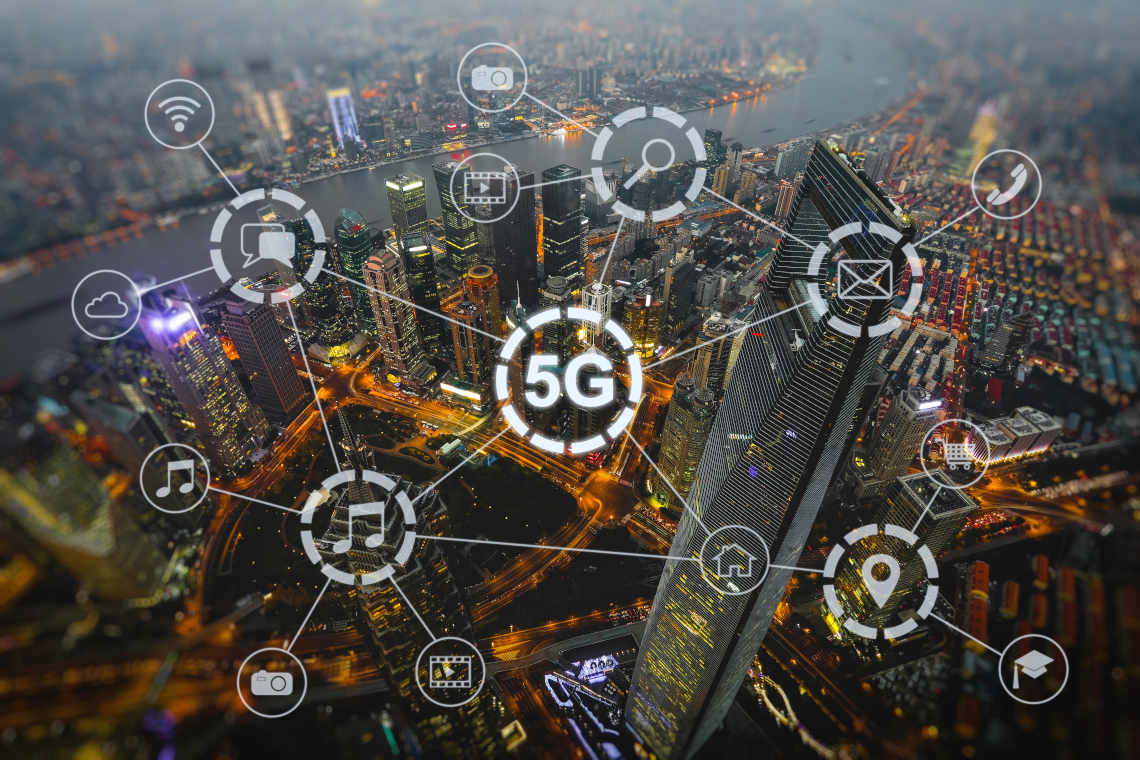
- Integración de 5G e IA: El lanzamiento de la tecnología 5G cambia las reglas del juego para la industria de las telecomunicaciones, ya que ofrece velocidades y conectividad sin precedentes. La IA desempeña un papel fundamental en la gestión y optimización de las redes 5G, garantizando que cumplan su promesa de comunicación de alta velocidad y baja latencia. Se están utilizando algoritmos de IA para gestionar el tráfico de la red, predecir las necesidades de mantenimiento y garantizar una prestación de servicios fluida en toda la infraestructura 5G.
- Optimización de red impulsada por IA: Las redes de telecomunicaciones son cada vez más complejas y la IA está a la vanguardia de la gestión de esta complejidad. Se están desarrollando herramientas de optimización de redes impulsadas por IA para monitorear el rendimiento de la red, anticipar problemas potenciales y ajustar automáticamente los recursos para mantener niveles de servicio óptimos. Este enfoque proactivo para la gestión de la red ayuda a reducir el tiempo de inactividad y mejorar la confiabilidad general de la red.
- Mantenimiento predictivo: La IA se utiliza para predecir y prevenir fallas en los equipos antes de que ocurran. Al analizar los datos de los equipos de red, la IA puede identificar patrones que preceden a un mal funcionamiento, lo que permite realizar un mantenimiento preventivo. Este enfoque reduce la necesidad de reparaciones reactivas costosas y minimiza el impacto del tiempo de inactividad del equipo en la calidad del servicio.
- Convergencia de IA e IoT: La convergencia de la IA y el Internet de las cosas (IoT) está abriendo nuevas posibilidades en las telecomunicaciones. Los dispositivos de IoT generan grandes cantidades de datos y la IA es fundamental para analizar estos datos y obtener información sobre el comportamiento del cliente, el rendimiento de la red y las posibles mejoras del servicio. Esta convergencia está permitiendo hogares, ciudades e industrias más inteligentes, y las empresas de telecomunicaciones desempeñan un papel central.
- Personalización de Servicios: Aprovechando la IA para analizar los datos de los clientes, las empresas de telecomunicaciones ofrecen servicios y experiencias más personalizados. Desde planes de datos personalizados hasta recomendaciones de contenido personalizadas, la IA está permitiendo un enfoque más personalizado para la participación del cliente.
Oportunidades y Retos en Automatización de Telecomunicaciones y Consultoría en Inteligencia Artificial
La integración de la IA en las telecomunicaciones ofrece una gran cantidad de oportunidades, pero también presenta su propio conjunto de desafíos. Navegar por este panorama requiere un equilibrio cuidadoso, garantizando que se aproveche plenamente el potencial de la IA y al mismo tiempo abordando los obstáculos que la acompañan.
- Oportunidades en consultoría de IA en telecomunicaciones: Innovación en servicios y productos: la IA abre la puerta a ofertas de servicios y productos innovadores en telecomunicaciones. Esto podría abarcar desde herramientas de comunicación mejoradas con IA hasta soluciones de redes inteligentes, ofreciendo a los clientes formas nuevas y mejoradas de conectarse y comunicarse.
- Experiencias de cliente mejoradas: Con la IA, las empresas de telecomunicaciones pueden ofrecer experiencias de cliente más personalizadas y eficientes. Los análisis basados en IA pueden conducir a un marketing más dirigido, ofertas de servicios personalizados y atención al cliente proactiva, todo lo cual contribuye a una mayor satisfacción y lealtad del cliente.
- Ventaja competitiva: Adoptar la IA puede dar a las empresas de telecomunicaciones una ventaja competitiva significativa. Estar a la vanguardia de la integración de la IA puede posicionar a una empresa como líder en innovación, atrayendo clientes y potencialmente liderando el mercado.
- Desafíos en la consultoría de IA en telecomunicaciones: Privacidad y seguridad de los datos: dado que los sistemas de inteligencia artificial manejan grandes cantidades de datos confidenciales, garantizar la privacidad y la seguridad es una preocupación importante. Las empresas deben navegar por complejos panoramas regulatorios e implementar medidas de seguridad sólidas para proteger los datos de los clientes.
- Brechas de habilidades y transformación de la fuerza laboral: El cambio hacia operaciones impulsadas por la IA requiere nuevas habilidades y competencias. Las empresas de telecomunicaciones enfrentan el desafío de capacitar al personal existente o reclutar nuevos talentos con la experiencia necesaria en IA.
- Cumplimiento Ético y Normativo: El uso de la IA debe alinearse con estándares éticos y requisitos regulatorios. Esto incluye cuestiones relacionadas con el sesgo algorítmico, la transparencia y la responsabilidad, que son fundamentales para mantener la confianza del cliente y el cumplimiento legal.
Soluciones SIS: Consultoría en Automatización de Telecomunicaciones e Inteligencia Artificial
En SIS, reconocemos el potencial transformador de la automatización de las telecomunicaciones y la inteligencia artificial para remodelar el panorama de las telecomunicaciones. Nuestras soluciones de consultoría ofrecen una hoja de ruta estratégica para que las empresas de telecomunicaciones integren perfectamente las tecnologías de automatización e inteligencia artificial en sus operaciones, desbloqueando nuevas oportunidades de crecimiento, eficiencia y satisfacción del cliente. Así es como podemos ayudar:
- Análisis integral del mercado: Nuestro equipo realiza análisis de mercado integrales para identificar tendencias emergentes, avances tecnológicos y dinámicas competitivas dentro de la industria de las telecomunicaciones. Brindamos información sobre cómo la automatización y la inteligencia artificial están remodelando las operaciones de telecomunicaciones y ofrecemos recomendaciones estratégicas para capitalizar nuevas oportunidades.
- Desarrollo de soluciones personalizadas: Desarrollamos soluciones personalizadas de automatización e inteligencia artificial diseñadas para abordar las necesidades y objetivos específicos de las empresas de telecomunicaciones. Ya sea implementando chatbots de servicio al cliente con tecnología de inteligencia artificial, optimizando el rendimiento de la red con análisis predictivos o aprovechando la inteligencia artificial para campañas de marketing personalizadas, diseñamos soluciones que brindan resultados tangibles.
- Participación de los interesados: Involucramos a todas las partes interesadas, incluida la gerencia, los empleados y los clientes, para garantizar la alineación y la aceptación de las iniciativas de IA. Nuestro enfoque implica educar a las partes interesadas sobre los beneficios de la automatización y la IA, abordar inquietudes y fomentar una cultura de innovación y colaboración.
- Experiencia técnica e infraestructura: Brindamos experiencia técnica y soporte de infraestructura para ayudar a las empresas de telecomunicaciones a navegar las complejidades de la implementación de soluciones de IA. Nuestro equipo incluye científicos de datos, especialistas en inteligencia artificial y profesionales de TI que pueden desarrollar, implementar y administrar aplicaciones de inteligencia artificial, garantizando la compatibilidad y escalabilidad con la infraestructura existente.
- Consideraciones éticas y cumplimiento: Nos aseguramos de que las iniciativas de IA cumplan con estándares éticos y requisitos regulatorios, abordando inquietudes relacionadas con la privacidad de los datos, el sesgo algorítmico y la transparencia. Nuestro enfoque en prácticas éticas de IA ayuda a generar confianza con los clientes y las autoridades reguladoras, mitigando los riesgos y garantizando la sostenibilidad a largo plazo.
- Aprendizaje continuo y optimización: Apoyamos a las empresas de telecomunicaciones a aprender y optimizar continuamente sus sistemas de inteligencia artificial en función de comentarios, nuevos datos y avances tecnológicos. Nuestro enfoque implica monitoreo, evaluación y ajuste periódicos para garantizar que las iniciativas de IA permanezcan alineadas con los objetivos comerciales y brinden el máximo valor.
- Formación y Gestión del Cambio: Brindamos capacitación y soporte de gestión de cambios para ayudar a los empleados a adaptarse a las nuevas tecnologías y flujos de trabajo de IA. Nuestro enfoque implica capacitación práctica, talleres y soporte continuo para garantizar que los empleados tengan las habilidades y los conocimientos necesarios para tener éxito en un entorno impulsado por la IA.
Asóciese con SIS para obtener soluciones integrales de consultoría en inteligencia artificial y automatización de las telecomunicaciones que impulsen la innovación, la eficiencia y la competitividad en la industria de las telecomunicaciones. Con nuestro enfoque estratégico y experiencia en la industria, ayudamos a los clientes a desbloquear todo el potencial de la automatización y la inteligencia artificial para crear redes de telecomunicaciones más inteligentes, eficientes y centradas en el cliente.

 ES
ES  EN
EN  AR
AR  ZH
ZH  ZH_HK
ZH_HK  NL
NL  FR
FR  DE
DE  IT
IT  JA
JA  KO
KO  PL
PL  PT
PT