
Etude de marché en Suède

Can market research in Sweden unlock unparalleled opportunities for your business? As the market dynamics evolve in this country, staying ahead requires a keen understanding of consumer behavior, industry trends, and competitive landscapes.
That’s why this market research is crucial before investing in Sweden or exploring the market opportunities.
Qu’est-ce qu’une étude de marché en Suède ?
Market research in Sweden provides businesses with actionable insights to make informed strategic decisions. Understanding consumer behavior and market trends is crucial for businesses aiming to establish or expand their presence in this Scandinavian nation.
This market research informs product development and marketing strategies and assists in identifying untapped market niches and mitigating risks associated with market entry and expansion.
Market research in Sweden also helps businesses answer critical questions such as:
- Quelles sont les préférences et les comportements d’achat dominants des consommateurs en Suède ?
- Quel est l’impact des nuances culturelles sur les décisions des consommateurs sur ce marché ?
- Quelles sont les tendances et innovations émergentes qui façonnent les industries suédoises ?
- Qui sont les principaux concurrents et quelles stratégies emploient-ils ?
Quels autres avantages les études de marché en Suède offrent-elles ?

Il valide les idées commerciales, les concepts de produits et les stratégies marketing avant leur mise en œuvre, réduisant ainsi le risque de faux pas coûteux. Les études de marché en Suède permettent d'optimiser l'allocation des ressources et de prioriser les initiatives commerciales en fonction des opportunités de marché identifiées.
Additionally, businesses can identify gaps in the market and capitalize on underserved segments or areas where competitors fall short. This market research also helps identify potential risks and challenges associated with entering or operating in the Swedish market, allowing businesses to proactively address these factors.
Quand réaliser une étude de marché en Suède
Les entreprises doivent mener des études de marché pour évaluer l'état de préparation du marché, comprendre les préférences des consommateurs et évaluer les paysages concurrentiels. avant d'entrer sur le marché suédois ou en expansion des opérations.
De la même manière, avant de lancer des campagnes marketing en Suède, les entreprises doivent mener des études de marché pour adapter les messages, les canaux et les stratégies de positionnement qui trouvent un écho auprès du public cible. En outre, des études de marché régulières en Suède sont essentielles pour surveiller les activités des concurrents, suivre les tendances du marché et identifier les menaces ou opportunités émergentes sur le marché suédois.
Notre analyse actuelle du marché et nos recommandations
Nous reconnaissons le paysage dynamique du marché suédois et les opportunités uniques qu'il présente pour les entreprises cherchant à se développer ou à établir une présence. En fait, la Suède est à la pointe de l’innovation numérique, avec un niveau élevé de pénétration d’Internet et des consommateurs férus de technologie, et les entreprises devraient tirer parti des plateformes et des technologies numériques pour interagir efficacement avec les consommateurs suédois.
De plus, les consommateurs suédois privilégient les produits durables et les pratiques respectueuses de l'environnement. Les entreprises peuvent tirer parti de cette tendance en intégrant la durabilité dans leurs offres et leurs stratégies marketing.
Cependant, le marché suédois se caractérise par une forte concurrence dans divers secteurs, notamment dans les domaines de la technologie, de la santé et des biens de consommation. Comprendre les stratégies des concurrents et leur positionnement sur le marché est essentiel au succès.
Recommandations pour l'entrée sur le marché
- Nous recommandons de réaliser une étude de marché complète pour les entreprises entrant sur le marché suédois afin de comprendre les préférences locales, le comportement des consommateurs et le paysage réglementaire.
- Adaptez les produits/services pour qu'ils correspondent aux valeurs et préférences suédoises, notamment la durabilité, la qualité et l'innovation.
- Développez des stratégies marketing localisées qui trouvent un écho auprès du public suédois et renforcent la confiance et la fidélité à la marque.
Résultats attendus des services de SIS International
À SIS International, our comprehensive market research and consulting services are designed to deliver tangible results and drive business success in the Swedish market. Here are the expected outcomes businesses can anticipate from partnering with us:
Prise de décision éclairée
Notre étude de marché fournit aux entreprises des informations exploitables et des recommandations basées sur des données qui facilitent la prise de décision éclairée en matière d'entrée sur le marché, d'expansion, de développement de produits et de stratégies de marketing en Suède.
Atténuation des risques et identification des opportunités
En effectuant une analyse approfondie du marché, nous aidons les entreprises à identifier les risques et opportunités potentiels sur le marché suédois, permettant ainsi une gestion proactive des risques et une planification stratégique.
Compétitivité améliorée
Comprendre les stratégies des concurrents et la dynamique du marché permet aux entreprises d'améliorer leur positionnement concurrentiel et de se différencier efficacement en Suède.
Engagement client amélioré
Les informations sur les préférences et les comportements des consommateurs suédois permettent aux entreprises d'adapter leurs offres et leurs expériences client, favorisant ainsi un engagement et une fidélité plus forts parmi les consommateurs suédois.
Optimisation du retour sur investissement
Nos recommandations stratégiques visent à optimiser le retour sur investissement (ROI) en alignant les stratégies commerciales sur les demandes du marché et les opportunités de croissance en Suède.
Innovation et accélération de la croissance
Nous identifions les tendances et opportunités émergentes permettant aux entreprises d'innover et de s'adapter rapidement à l'évolution des conditions du marché, accélérant ainsi la croissance et la pénétration du marché en Suède.
Solutions personnalisées
Nos services sont adaptés pour répondre à des objectifs commerciaux spécifiques, garantissant que chaque projet de recherche répond aux besoins et défis uniques de nos clients sur le marché suédois.
Industries clés en Suède
La Suède possède une économie diversifiée avec plusieurs industries vitales qui stimulent la croissance et l’innovation. Comprendre ces secteurs est essentiel pour les entreprises qui souhaitent réussir sur le marché suédois. Voici quelques secteurs importants :
- Technologie et innovation
- La Suède est réputée pour son secteur technologique florissant, avec des entreprises de premier plan dans les domaines des télécommunications, des technologies de l'information et des technologies propres (cleantech). Stockholm, souvent appelée la « capitale technologique de l'Europe », abrite de nombreuses startups et géants de la technologie comme Ericsson, Spotify et Klarna.
- Santé et sciences de la vie
- Le secteur suédois de la santé est très avancé, avec des sociétés pharmaceutiques axées sur la recherche, des entreprises de technologie médicale et des startups biotechnologiques innovantes. Le pays donne la priorité à la qualité et à l’innovation des soins de santé, ce qui en fait un marché attractif pour les progrès médicaux.
- Fabrication et ingénierie
- La Suède dispose d'une base manufacturière solide, en particulier dans des secteurs comme l'automobile, les machines et l'aérospatiale. Des entreprises telles que Volvo, Scania et ABB sont des acteurs de premier plan dans ces secteurs, connus pour leur engagement en faveur du développement durable et de la qualité.
- Biens de consommation et vente au détail
- Les tendances en matière de durabilité et la préférence pour les produits de haute qualité influencent le marché des biens de consommation en Suède. Le commerce de détail évolue rapidement, avec une évolution vers le commerce électronique et les expériences d'achat omnicanal.
- Finances et technologies financières
- La Suède est une plaque tournante des innovations en matière de technologie financière (fintech), avec un secteur bancaire bien développé et un écosystème croissant de startups fintech. L'environnement réglementaire progressiste du pays favorise la croissance des technologies financières et des services bancaires numériques.
Opportunités commerciales et d’infrastructures
La Suède exporte des véhicules automobiles, des machines, des produits chimiques, de la pâte à papier et du bois, des produits en papier ainsi que des produits sidérurgiques. Les autres industries majeures comprennent les produits pharmaceutiques, les télécommunications, les équipements de précision, les machines industrielles, les articles ménagers et les appareils électroménagers. Les importations comprennent le pétrole et ses produits, les machines, les véhicules automobiles, les produits chimiques, le fer et l'acier et les vêtements.
Germany is Sweden’s most important trading partner, followed by the other European countries. Imports from rapidly-developing Asian countries have been relatively high over the last few decades, with textiles as the main import product.
En respectant les protocoles d'importation de l'Union européenne et en démarrant une production à faible coût dans les pays d'Europe de l'Est et les pays baltes, on peut s'attendre à une diminution des échanges avec l'Asie à l'avenir.
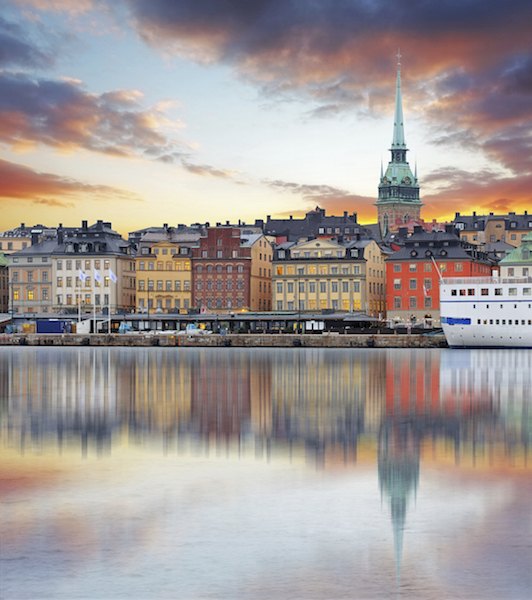
La Suède compte plusieurs grandes villes, dont Göteborg, Malmö, Uppsala Kalmar et Stockholm, la capitale.
La Suède compte quatre-vingt-deux ports. Les principaux sont le port de Gävle, le port de Göteborg, le port de Helsingborg, le port de Copenhague Malmö, le port Walhamn et les ports de Stockholm.
Les principaux aéroports sont l'aéroport de Stockholm Arlanda, l'aéroport de Borlänge, l'aéroport de Göteborg-Landvetter et l'aéroport de Stockholm-Bromma.
Acteurs leaders sur le marché suédois
La Suède abrite plusieurs marques et entreprises influentes dans divers secteurs. Voici quelques acteurs notables dans des secteurs clés :
Technologie et innovation
-
- Éricsson: Un leader mondial des équipements et services de télécommunications, pionnier de la technologie et des solutions réseau 5G.
- Spotify: La plus grande plateforme de streaming musical au monde, fondée en Suède et connue pour son approche innovante de la distribution de musique numérique.
- Klarna: Une licorne fintech proposant des solutions de paiement en ligne et des services « achetez maintenant, payez plus tard », remodelant le paysage du commerce électronique.
Santé et sciences de la vie
-
- AstraZeneca: Une société pharmaceutique multinationale avec une présence significative en Suède, axée sur la recherche et le développement de médicaments innovants.
- Getinge: Spécialisé dans la technologie et l'équipement médicaux, fournissant des solutions pour la chirurgie, les soins intensifs et le contrôle des infections.
Fabrication et ingénierie
-
- Groupe Volvo: Un fabricant leader de camions, d'autobus, d'équipements de construction et de moteurs marins et industriels, connu pour son engagement en faveur du développement durable.
- Sandvik: Produit des outils et des équipements pour les industries minières, de la construction et du travail des métaux, avec une réputation d'innovation et de qualité.
Biens de consommation et vente au détail
-
- H&M (Hennes & Mauritz): Un détaillant de mode mondial connu pour ses vêtements abordables et tendance, opérant dans de nombreux pays à travers le monde.
- IKEA: Le plus grand détaillant de meubles au monde, célèbre pour ses meubles en kit et ses articles d'ameublement innovants.
Aperçus régionaux en Suède
La Suède est marquée par la diversité des régions dotées de moteurs économiques, d'attributs culturels et de paysages commerciaux uniques. Comprendre les distinctions régionales est essentiel pour les entreprises qui envisagent d'entrer sur le marché ou de s'étendre en Suède. Voici quelques informations clés sur les régions remarquables :
- Région de Stockholm
- Centre économique: Stockholm est la capitale et la plus grande ville de Suède, servant de centre économique et culturel important avec une concentration d'industries technologiques, financières et créatives.
- Écosystème de startup: La région de Stockholm est réputée pour son écosystème de startups dynamique, qui favorise l'innovation et l'entrepreneuriat à travers de nombreux incubateurs, accélérateurs et événements technologiques.
- Région métropolitaine de Göteborg
- Patrimoine industriel: Göteborg possède un solide héritage industriel, en particulier dans les secteurs de la fabrication et de l'ingénierie, axé sur la durabilité et l'innovation.
- Ville portuaire: En tant que plus grand port de Suède, Göteborg joue un rôle crucial dans le commerce international et la logistique, attirant les entreprises des secteurs du transport maritime et du transport maritime.
- Région de Skåne (sud de la Suède)
- Agroalimentaire et sciences de la vie: Skåne est connue pour son industrie agricole et alimentaire et pour un groupe croissant d'entreprises et d'instituts de recherche des sciences de la vie.
- Diversité culturelle: La proximité de Skåne avec le Danemark contribue à la diversité culturelle et aux collaborations transfrontalières, ce qui en fait un site commercial attractif.
Moteurs du marché en Suède
Plusieurs facteurs clés contribuent à la croissance et au développement de divers segments de marché en Suède. Comprendre ces moteurs du marché est essentiel pour les entreprises à la recherche d'opportunités sur le marché suédois. Voici quelques facteurs importants :
- Innovation et adoption de la technologie
- Le soutien du gouvernement à l’innovation, à une main-d’œuvre qualifiée et à un écosystème collaboratif stimule les progrès technologiques dans tous les secteurs.
- Durabilité et conscience environnementale
- La Suède donne la priorité à la durabilité et à la responsabilité environnementale, influençant les préférences des consommateurs et les stratégies commerciales.
- Transformation numérique
- The widespread adoption of digital technologies in Sweden accelerates business transformation and changes in consumer behavior.
- Mondialisation et commerce
- L'économie ouverte de la Suède et sa participation au commerce mondial contribuent à l'expansion du marché et à la collaboration internationale.
Restrictions du marché en Suède
Même si la Suède offre de nombreuses opportunités de croissance et d’innovation pour les entreprises, plusieurs contraintes et défis du marché peuvent avoir un impact sur les opérations commerciales. Voici quelques facteurs clés à considérer :
- Coût élevé de la vie et des affaires
- La Suède est connue pour son coût de la vie et ses activités commerciales relativement élevés, notamment les coûts de main-d'œuvre, les taxes et le respect de la réglementation.
- Réglementation du marché du travail
- La Suède réglementation du marché du travail, notamment des lois du travail strictes et des coûts de main-d'œuvre élevés, peuvent poser des défis aux entreprises, notamment en matière d'embauche et de gestion de la main-d'œuvre.
- Taille limitée du marché intérieur
- La Suède possède un marché intérieur relativement petit par rapport aux économies plus grandes, ce qui peut limiter les opportunités de croissance pour les entreprises axées uniquement sur les ventes locales.
- Concurrence et consolidation de l’industrie
- Des secteurs spécifiques en Suède, tels que les télécommunications, la vente au détail et la finance, sont dominés par des acteurs établis détenant une part de marché importante.
Culture d'entreprise efficace
L'égalitarisme est la valeur sociale centrale en Suède. La négociation et le consensus sont profondément ancrés dans la vie économique et sociale. Il existe un manque flagrant de signes extérieurs de hiérarchie et de statut qui sont courants dans la plupart des autres pays. Les Suédois aiment nouer des relations commerciales à un niveau informel. L'espace personnel est valorisé et les Suédois restent plus éloignés que la plupart des autres nationalités lorsqu'ils conversent.
Investir en Suède offre de nombreux avantages, notamment d'excellentes communications externes et internes, un système de distribution moderne et une main-d'œuvre qualifiée.
Notre emplacement à New York
11 E 22nd Street, étage 2, New York, NY 10010 Tél. : +1(212) 505-6805
À propos de SIS International
SIS International propose des recherches quantitatives, qualitatives et stratégiques. Nous fournissons des données, des outils, des stratégies, des rapports et des informations pour la prise de décision. Nous menons également des entretiens, des enquêtes, des groupes de discussion et d’autres méthodes et approches d’études de marché. Contactez nous pour votre prochain projet d'étude de marché.

 FR
FR  EN
EN  AR
AR  ZH
ZH  ZH_HK
ZH_HK  NL
NL  DE
DE  IT
IT  JA
JA  KO
KO  PL
PL  PT
PT  ES
ES