
Hotel der Zukunft Beratung
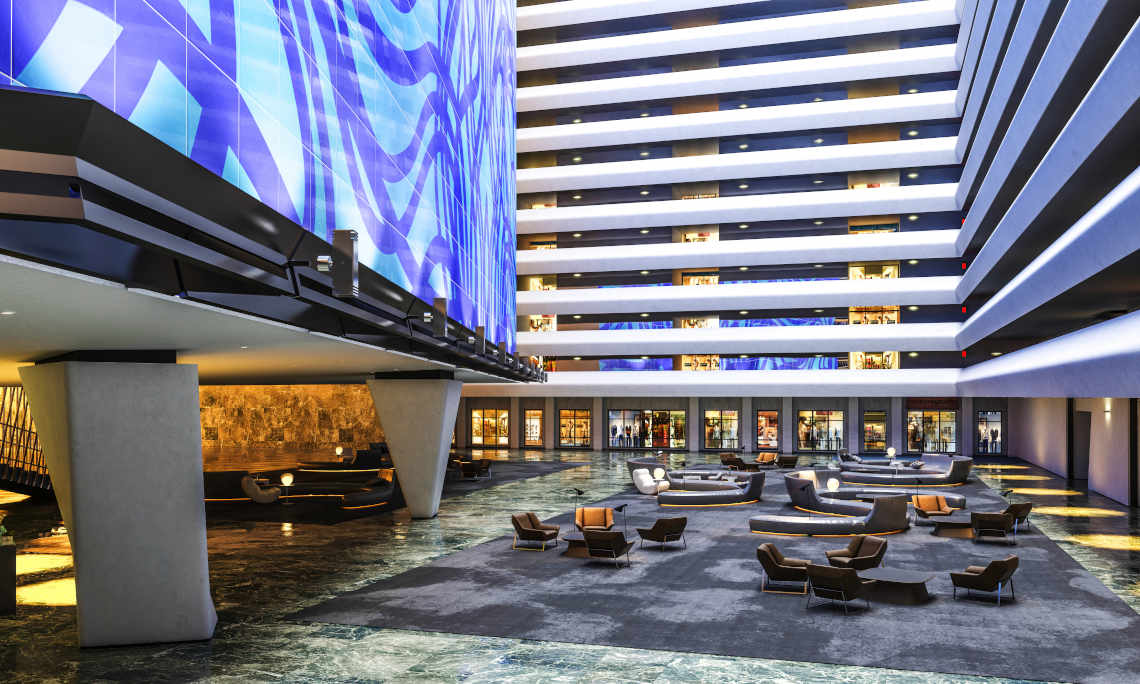
Wie sieht das Hotel der Zukunft aus? Die Beratung „Hotel der Zukunft“ bietet eine Blaupause für Innovation, Nachhaltigkeit und Gästezufriedenheit im Hotel- und Gaststättengewerbe. Diese spezialisierte Beratung geht über traditionelle Modelle hinaus und konzentriert sich auf die Integration modernster Technologien, nachhaltiger Praktiken und personalisierter Gästeerlebnisse, um Hotels zu schaffen, die nicht nur Reiseziele, sondern auch Zentren der Innovation und des Komforts sind.
Was ist Hotel der Zukunft-Beratung?
Die Beratung zum Thema „Hotel der Zukunft“ ist ein zukunftsorientierter Ansatz, der Hoteliers dabei unterstützt, sich in der sich rasch verändernden Hotellandschaft zurechtzufinden. Diese Art der Beratung konzentriert sich darauf, die neuesten technologischen Fortschritte, Nachhaltigkeitspraktiken und Trends im Gästeverhalten zu nutzen, um Hotels zu entwerfen und umzusetzen, die die Erwartungen zukünftiger Gäste erfüllen und übertreffen. Sie umfasst verschiedene Disziplinen, darunter Technologieintegration, umweltfreundliche Praktiken, Betriebseffizienz und Verbesserung des Gästeerlebnisses.
Es umfasst eine umfassende Analyse aktueller und aufkommender Trends in der Hotelbranche, von intelligenten Raumtechnologien und künstlicher Intelligenz bis hin zu nachhaltigen Baumaterialien und -praktiken.
Warum Unternehmen Beratung zum Hotel der Zukunft benötigen
Hotel of the future consulting helps businesses identify and integrate cutting-edge technologies that enhance guest experiences, improve operational efficiencies, and provide a competitive edge. From smart rooms that adjust to guests’ preferences to AI-driven customer service, consultants guide the seamless adoption of technology that defines the hotel of the future.
Darüber hinaus unterstützt die Beratung zum Hotel der Zukunft Unternehmen bei der Umsetzung nachhaltiger Praktiken, die die Umweltbelastung verringern und umweltbewusste Gäste ansprechen. Berater geben Ratschläge zu allen Themen, von energieeffizienten Gebäudeentwürfen bis hin zu Abfallreduzierungsprogrammen, und sorgen dafür, dass Hotels einen positiven Beitrag für ihre Gemeinden und den Planeten leisten.
Da die Hotelbranche zudem sehr wettbewerbsintensiv ist, hilft Beratung den Unternehmen dabei, Alleinstellungsmerkmale und Marktnischen zu identifizieren, starke Markenidentitäten zu entwickeln und strategisches Marketing einzusetzen, um sich in einem überfüllten Markt abzuheben. Aber es hat viele Vorteile für Unternehmen, darunter:
- Verbessertes Gästeerlebnis: Durch personalisierte Dienste, nahtlose Technologieintegration und einzigartige Angebote können Hotels die Zufriedenheit ihrer Gäste deutlich steigern und so Wiederholungsbesuche und positive Bewertungen fördern.
- Betriebseffizienz: Durch die Beratung werden Bereiche identifiziert, in denen Technologie- und Prozessverbesserungen den Betrieb rationalisieren, Kosten senken und die Mitarbeiterproduktivität steigern können. Dies umfasst alles von automatisierten Check-ins bis hin zu Energiemanagementsystemen, um sicherzustellen, dass Hotels effizienter arbeiten und gleichzeitig hohe Servicestandards aufrechterhalten.
- Wettbewerbsvorteil: Mit fachkundiger Beratung können Hotels innovative Funktionen und Dienstleistungen entwickeln, die sie von der Konkurrenz abheben. Dies kann von der Einführung der neuesten Technologie im Zimmer bis hin zum Angebot einzigartiger Wellness- oder Kulturerlebnisse reichen und das Hotel als Vorreiter in der Hotelbranche positionieren.
- Höhere Umsätze und Rentabilität: Indem sie mehr Gäste anziehen und effizienter arbeiten, können Hotels ihr Geschäftsergebnis deutlich verbessern. Beratung kann auch dabei helfen, neue Einnahmequellen zu erschließen, wie etwa personalisierte Erlebnisse oder Partnerschaften mit lokalen Unternehmen, die die Rentabilität weiter steigern.
- Das Unternehmen zukunftssicher machen: In einer Branche, die sich ständig weiterentwickelt, hilft die Beratung zum Thema „Hotel der Zukunft“ Unternehmen, Trends voraus zu sein und sich auf zukünftige Herausforderungen vorzubereiten. Dieser vorausschauende Ansatz stellt sicher, dass Hotels auch in Zukunft relevant und wettbewerbsfähig bleiben.
Wer nutzt die Beratung zum Hotel der Zukunft?
Beratung zum Thema „Hotel der Zukunft“ wird von einer Vielzahl von Interessenvertretern in der Hotelbranche nachgefragt, die ihre Hotels umgestalten möchten, um den sich entwickelnden Anforderungen des Marktes gerecht zu werden und gleichzeitig Nachhaltigkeit und Innovation zu gewährleisten. Hier ist ein Überblick darüber, wer diese Beratungsdienste normalerweise in Anspruch nimmt:
- Hotelbesitzer und -betreiber: An vorderster Front stehen Hotelbesitzer und -betreiber, die die Wettbewerbsfähigkeit ihrer Hotels, die Zufriedenheit ihrer Gäste und die betriebliche Effizienz steigern möchten. Sie nutzen Beratung, um Einblicke in die neuesten Trends, Technologien und Praktiken zu erhalten, die in ihren Betrieb integriert werden können.
- Entwickler im Gastgewerbe: Entwickler, die neue Hotelprojekte realisieren oder bestehende Gebäude renovieren, suchen Beratungsdienste, um zukunftsweisende Designs, nachhaltige Baupraktiken und innovative Gästeservices von Grund auf zu integrieren und so sicherzustellen, dass ihre Projekte auch langfristig relevant und attraktiv sind.
- Hotelketten und Franchises: Größere Hotelketten und Franchiseunternehmen wenden sich an die Beratungsfirma „Hotel der Zukunft“, um ihr Angebot an mehreren Standorten zu standardisieren und zu erneuern. Die Beratung hilft ihnen dabei, neue Technologien, Nachhaltigkeitspraktiken und Verbesserungen des Gästeerlebnisses einzuführen, die global eingeführt werden können, um die Markenkonsistenz zu wahren und sich gleichzeitig an lokale Märkte anzupassen.
- Boutique- und Luxushotels: Diese Betriebe suchen nach Möglichkeiten, sich durch einzigartige Gästeerlebnisse, personalisierte Dienstleistungen und High-Tech-Annehmlichkeiten von der Konkurrenz abzuheben. Consulting bietet Boutique- und Luxushotels maßgeschneiderte Strategien, die ihre einzigartigen Merkmale hervorheben und die hohen Erwartungen ihrer Kundschaft erfüllen.
- Umweltfreundliche und nachhaltige Hotels: Hotels, die sich auf Nachhaltigkeit und Umweltfreundlichkeit konzentrieren, nutzen Beratung, um ihr Engagement für den Umweltschutz zu fördern und gleichzeitig sicherzustellen, dass sie für umweltbewusste Reisende attraktiv bleiben. Berater helfen bei der Implementierung modernster nachhaltiger Technologien und Praktiken, die mit ihrem grünen Ethos im Einklang stehen.
- Investoren und Finanzinstitute: Stakeholder, die in den Hotel- und Gaststättensektor investieren, verlassen sich auf die Beratung von „Hotel der Zukunft“, um die Realisierbarkeit, Nachhaltigkeit und zukünftige Rentabilität von Hotelprojekten zu beurteilen.
Erwartete Ergebnisse von SIS Hotel of the Future Consulting
Die Durchführung einer Beratung zum Thema „Hotel der Zukunft“ bringt transformative Ergebnisse für Gastgewerbebetriebe. Diese Ergebnisse steigern die unmittelbare Attraktivität eines Hotels und sichern seine langfristige Nachhaltigkeit und Wettbewerbsfähigkeit in der sich entwickelnden Gastgewerbelandschaft. Hier sind die erwarteten Ergebnisse einer Beratung zum Thema „Hotel der Zukunft“:
- Operative Exzellenz und Effizienz: Die Integration intelligenter Technologien und optimierter Prozesse führt zu einer höheren Betriebseffizienz. Dazu gehören geringere Energiekosten, optimiertes Ressourcenmanagement und eine höhere Mitarbeiterproduktivität, was zur Gesamtrentabilität des Hotels beiträgt.
- Stärkere Marktposition und Markenbekanntheit: Durch strategisches Branding und Marketing können Hotels ihre Position auf dem Markt stärken. Diese Differenzierung hilft dabei, gezielt Gästesegmente anzusprechen und erhöht die Markenbekanntheit, wodurch sich das Hotel von der Konkurrenz abhebt.
- Nachhaltige Praktiken und Umweltführung: Durch die Beratung werden nachhaltige und umweltfreundliche Praktiken eingeführt, wodurch das Hotel als Vorreiter in Sachen Umweltschutz positioniert wird. Dies entspricht der wachsenden Nachfrage nach nachhaltigen Reisemöglichkeiten und trägt zur langfristigen Rentabilität des Hotels und seiner Umgebung bei.
- Anpassungsfähigkeit an Marktveränderungen und Trends: Hotels sind agiler und anpassungsfähiger geworden und können schnell auf Marktveränderungen und sich ändernde Gästepräferenzen reagieren. Diese Anpassungsfähigkeit stellt sicher, dass das Hotel relevant und wettbewerbsfähig bleibt und neue Chancen nutzen kann.
- Verbesserte Einnahmequellen: Durch innovative Angebote und Erlebnisse können Hotels neue Einnahmequellen jenseits der traditionellen Zimmerbuchungen erschließen. Dazu können maßgeschneiderte Erlebnisse, Partnerschaften mit lokalen Handwerkern und Produzenten oder auf Wellness und Nachhaltigkeit ausgerichtete Dienstleistungen gehören.
Der SIS-Ansatz zur Beratung zum Hotel der Zukunft
- Schwerpunkt auf Innovation und Technologie: Der zukunftsorientierte Beratungsansatz von SIS legt den Schwerpunkt auf die Integration innovativer Technologien und Lösungen. Dies umfasst alles von IoT-fähigen Zimmern, die personalisierte Umgebungen bieten, bis hin zu KI-gesteuerten Kundenservice-Tools, die sicherstellen, dass Hotels auf dem neuesten Stand der Technik sind.
- Nachhaltigkeit und Umweltschutz: Angesichts der wachsenden Bedeutung von Nachhaltigkeit werden bei diesem Ansatz umweltfreundliche Praktiken und Lösungen in den gesamten Hotelbetrieb integriert. Dazu können Beratungen zu energieeffizienten Gebäudeentwürfen, Abfallreduzierungsprogrammen und Initiativen zur Unterstützung lokaler Ökosysteme und Gemeinschaften gehören.
- Verbessertes Gästeerlebnis-Design: Im Mittelpunkt der Beratungsstrategie steht die Schaffung außergewöhnlicher und unvergesslicher Gästeerlebnisse. Dazu gehört ein tiefes Verständnis der Vorlieben und Verhaltensweisen der Gäste sowie die Nutzung von Datenanalysen, um maßgeschneiderte Dienstleistungen und Annehmlichkeiten zu schaffen, die die Erwartungen übertreffen.
- Operative Exzellenz: Betriebseffizienz ist der Schlüssel zum Erfolg eines Hotels. Ein umfassender Beratungsansatz bietet Strategien zur Optimierung der Betriebsabläufe, von der Automatisierung von Prozessen bis hin zur Verbesserung der Mitarbeiterschulung und -verwaltung, um einen reibungslosen und kosteneffizienten Hotelbetrieb sicherzustellen.
- Strategisches Branding und Marketing: Zu den Beratungsleistungen von SIS gehört die Entwicklung starker Markenidentitäten und effektiver Marketingstrategien, die bei den Zielgruppen Anklang finden. Dieser Aspekt des Ansatzes hilft Hotels, ihre einzigartigen Wertversprechen zu artikulieren und eine tiefere Verbindung zu den Gästen aufzubauen.
- Entwicklung von Zusammenarbeit und Partnerschaften: Dieser Ansatz erkennt die Macht der Zusammenarbeit und fördert Partnerschaften mit Technologieanbietern, lokalen Unternehmen und Nachhaltigkeitsexperten. Diese Kooperationen bereichern das Angebot des Hotels und tragen zu einem ganzheitlichen und integrierten Ansatz für die Hotelentwicklung bei.
- Kontinuierliche Verbesserung und Anpassung: Schließlich umfasst ein erfolgreicher Beratungsansatz für das Hotel der Zukunft die Prinzipien der kontinuierlichen Verbesserung und Anpassungsfähigkeit. Berater bieten Rahmenbedingungen für die laufende Bewertung und Verfeinerung von Strategien und stellen sicher, dass Hotels dynamisch auf Branchentrends und Gästefeedback reagieren können.

 DE
DE  EN
EN  AR
AR  ZH
ZH  ZH_HK
ZH_HK  NL
NL  FR
FR  IT
IT  JA
JA  KO
KO  PL
PL  PT
PT  ES
ES