
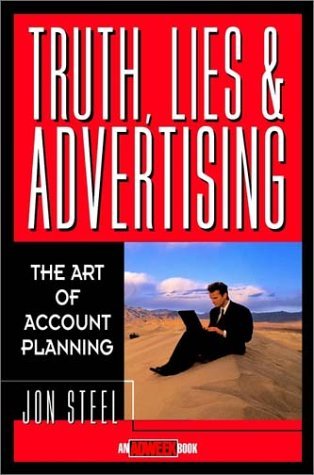
 كجزء من سلسلة مراجعات كتب التسويق لدينا، قمنا مؤخرًا بمراجعة كتاب جون ستيل "الحقيقة والأكاذيب والإعلان: فن تخطيط الحسابات". على الرغم من التركيز على الإعلان، يمكن تطبيق محتوى الكتاب عمليًا على فروع أخرى من خدمات التسويق. وعلى وجه الخصوص، كنا حريصين على قراءة وجهة نظرها حول أبحاث السوق في الحملات الإعلانية.
هدف ستيل هو اقتراح نموذج جديد للإعلان يعتمد على مدى تعقيد الأشخاص وعواطفهم. يتضمن النموذج شراكة بين أصحاب المصلحة في حملة إعلانية:
- وجهة نظر عمل العميل
- المنظور الإبداعي للوكالة
- opinions and prejudices of the people at whom advertising is aimed; In other words, the consumer needs to be probed for insecurities, motivations, habits, and prejudices
ومن خلال "تثليث" وجهات النظر هذه، يمكن تحديد وجهة نظر أقرب إلى الحقيقة. ويكمن وراء هذا النموذج تقديره للفوضى. مبرر ستيل هو أن مجموع الكل أكبر من الأجزاء الفردية. وعلى العكس من ذلك، إذا سمح لوجهة نظر واحدة بالهيمنة، فقد تتأثر جودة وفعالية الحملة الإعلانية. يشير ستيل إلى أن الفوضى يمكن أن تكون مفيدة في تقديم أفضل عمل للعملاء.
- البيئة المؤثرة على البحوث المتعلقة بالإعلان
- ما هو نوع المزاج الذي يضعهم فيه؟
- فرصة (يجب تشجيعها)
يستمر ستيل أيضًا في رسم تشابه غير متوقع بين فيزياء الكم والإعلان، في إشارة إلى الفوضى. في النهاية، يشير ستيل إلى أن الفوضى والرغبة في وجهات نظر متضاربة في فيزياء الكم تشبه منهجه في وجهات النظر المتنوعة.
Steel continues to define Advertising according to Jeff Goodby’s definition: getting into one’s mind and changing one’s mind, but not telling one how to think. Along these lines, Steel asserts that Advertising cannot sell something; instead it influences the mind, which can influence purchasing.
So is advertising art or business? Goodby stated that Advertising was the Business of Changing Minds. Hence, it appears that Advertising is a mix of art and commerce, leaning toward commerce. Conceiving Advertising mostly as an art is problematic as it raises the problem of putting the interests of the creative above those of the client’s. Steel implies that Advertisers need to realize that the objective of their clients is to sell products or ideas.
علاوة على ذلك، هل الإعلان علم أم فن؟ يذكر ستيل أن الإعلان ليس علمًا لأنه يهمل تعقيد المشاعر الإنسانية. يفترض العلم أنه يمكنك تفكيك المكونات وإعادة بناء الأشياء وفقًا لنموذج الآلة الذي صممته مارغريت ويتلي. يمكن للبيانات العلمية المفرطة، بحسب ستيل، التركيز على الأشجار وإهمال الغابة.
Steel writes about the power of the unscientific method. He cites evidence that some of the best brains, including Einstein, Oppenheimer (a physicist), and Watson/Crick, deviated from the scientific method by combining science and art (intuition, fantasy). Steel implies that this occurred because these great thinkers realized that the scientific method could not explain everything.
Contextually, advertising faces several problems in reaching consumers. Advertising is directed at people, and tries to tell them what to do. Messages have been overused. Consequently, people dislike advertising. Steel proposes that the Holy Trinity in Advertising consists of:
- بساطة
- الفطرة السليمة
- إِبداع
أفكار حول الأبحاث
Steel asserts that clients assume that those on the outside share their same amount of knowledge, and that it was the role of the planner needs to change this. He indicates that the focus group moderator should have the power to introduce a completely new idea and deviate from the discussion guide. For example, he worked on a project on “Disability Insurance,” which by itself is a word that makes people shudder. Exploratory research was employed to allow the respondent to freely think and speak her thoughts. He found that respondents considered disability insurance as a necessary evil. As a result, the resulting ad campaign focused on the wide picture of the future and the realities that would impact some of the population. The message was that the company had your interests at heart.
Steel also claims that researchers need to look at what is not being said. Citing the example of a project for KPMG Peat Marwick, he had conducted many interviews with high-level executives. All research interviews consisted of the respondent telling the interviewer that what they were saying was all confidential. Hence, he came up with the idea to make a slogan conveying the exciting, stealthy, and confidential nature of what KPMG did.
Ultimately, the book has invigorating examples of creative advertisements. Its easy-to-read writing style is consistent with his overall theories on simplicity and common sense in advertising. Its theories on advertising campaign are helpful in conceptualizing the most effective advertising campaign. Our only displeasure was that its ideas on research did not add much in value from other authors in the genre, such as Clotaire Rapaille author of the “Culture Code.


 AR
AR  EN
EN  ZH
ZH  ZH_HK
ZH_HK  NL
NL  FR
FR  DE
DE  IT
IT  JA
JA  KO
KO  PL
PL  PT
PT  ES
ES