
Tractor Market بحث
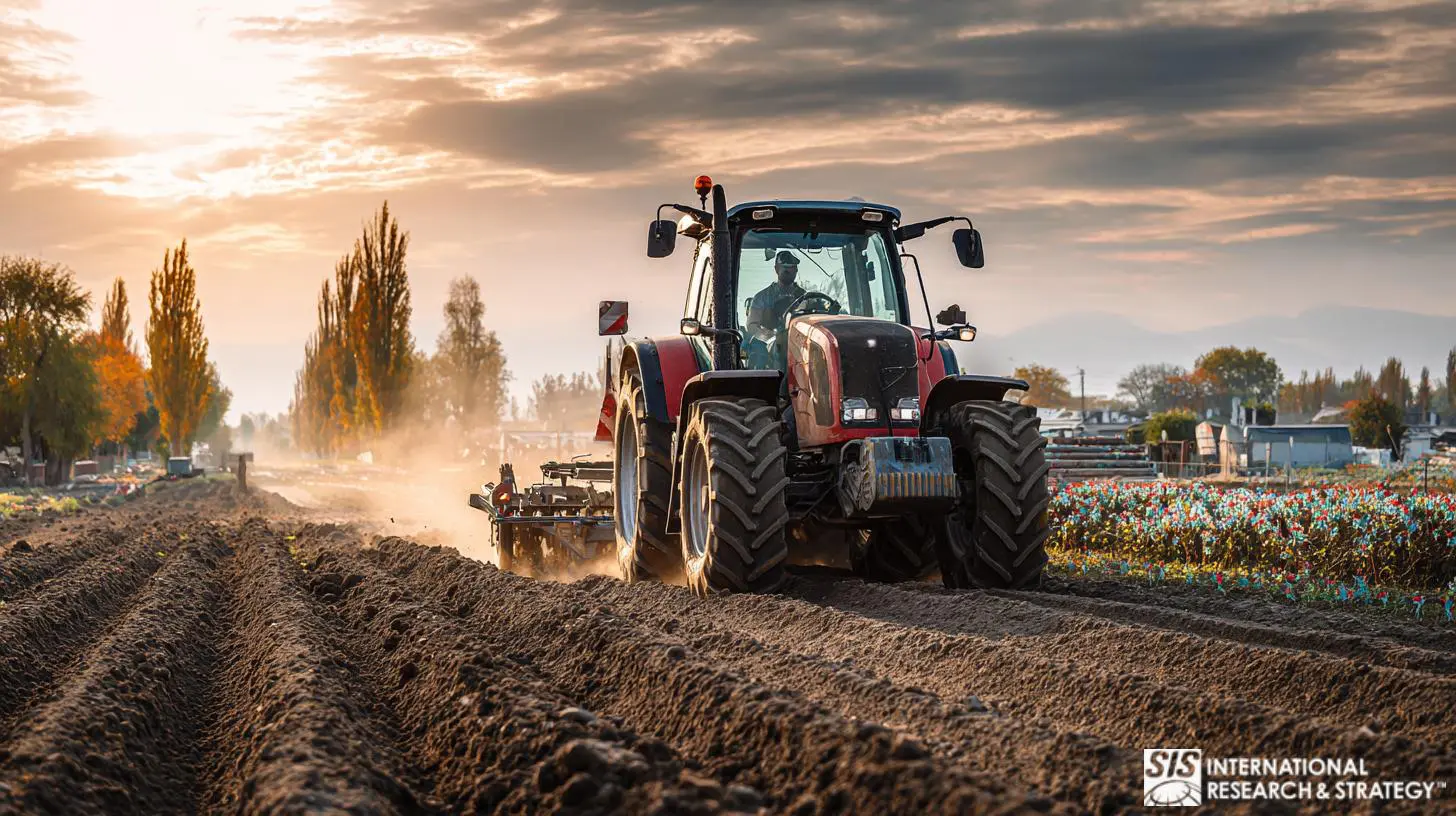
تقوم أبحاث سوق الجرارات بجمع وتحليل البيانات حول صناعة الجرارات وسوق الجرارات. قد تحتوي هذه الدراسة على معلومات تتعلق بمبيعات الجرارات والإنتاج والتسعير واتجاهات الصناعة. وقد تقوم أيضًا بجمع معلومات حول المشاركين الأساسيين في السوق، مثل المنتجين والموزعين، والمستخدمين النهائيين للجرارات، مثل المزارعين وشركات البناء. تهدف أبحاث سوق الجرارات إلى تقديم نظرة عامة شاملة عن سوق الجرارات واكتشاف آفاق التطوير والتوسع.
لماذا تعتبر أبحاث سوق الجرارات مهمة لنجاح الصناعة
تعد أبحاث السوق حول الجرارات أداة أساسية للشركات في صناعة الجرارات. فهو يمكّن الشركات من فهم ظروف السوق الحالية، والتعرف على اتجاهات الصناعة وإمكانياتها، واتخاذ قرارات مستنيرة بشأن تطوير المنتجات والتسويق واستراتيجيات المبيعات.
تعد أبحاث سوق الجرارات ضرورية لأنها توفر معلومات قيمة حول الوضع الحالي لصناعة الجرارات. يتم تضمين حجم المبيعات وحصة السوق وإحصائيات اتجاه التسعير. يمكن أن تساعد هذه البيانات الشركات في تحديد المنتجات التي يرتفع الطلب عليها وتلك التي لا يزداد عليها الطلب، مما يمكنها من تعديل عروض منتجاتها وفقًا لذلك. بالإضافة إلى ذلك، فهو يساعد الشركات على فهم المشهد التنافسي، وهو أمر ضروري لبناء استراتيجيات تسويق ومبيعات فعالة.
Another essential advantage of tractor market research is that it enables businesses to uncover new growth and expansion opportunities. For instance, research can discover untapped markets or innovative applications for tractors that companies may have overlooked. Businesses can increase their revenue sources and diversify their product lines.
بالإضافة إلى ذلك، يمكن أن تساعد أبحاث سوق الجرارات الشركات في توقع اتجاهات الصناعة وتغيراتها. على سبيل المثال، يمكن أن يكشف الفحص عن تكنولوجيا أو لوائح جديدة من شأنها أن تؤثر على الصناعة؛ يمكن للشركات الاستفادة من هذه المعلومات للتخطيط للمستقبل.
المسميات الوظيفية الرئيسية في صناعة سوق الجرارات
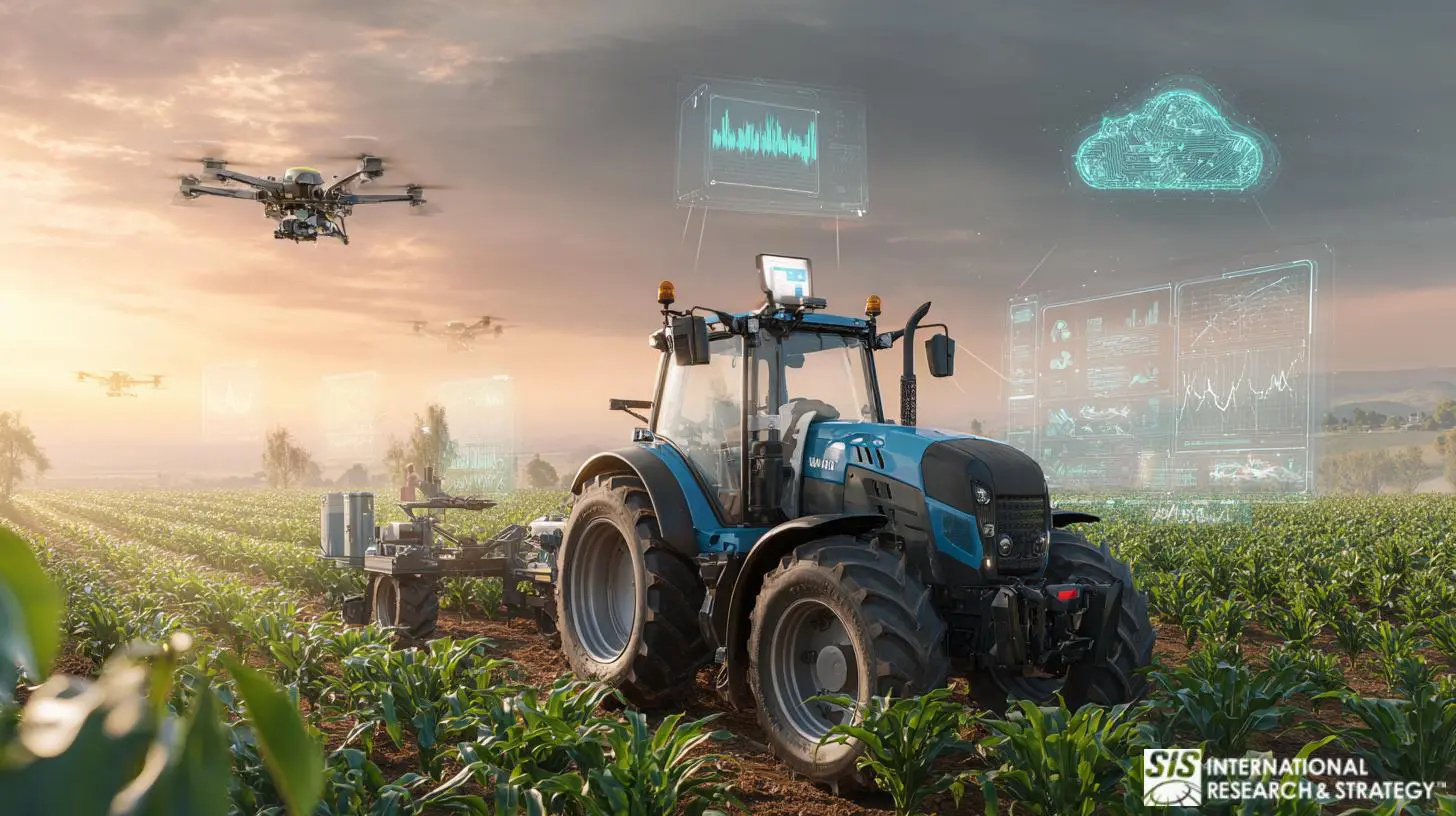
تشمل صناعة سوق الجرارات مجموعة واسعة من الأدوار والمسؤوليات، والعديد من المسميات الوظيفية الرئيسية ضرورية لعمل هذه الصناعة. وتشمل هذه:
- مندوب مبيعات جرارات: يقوم هؤلاء الأفراد ببيع الجرارات للمزارعين وشركات البناء والمستخدمين النهائيين الآخرين. غالبًا ما يكون لديهم خلفية في الزراعة أو البناء ويجب أن يكونوا على دراية بالمنتجات التي يبيعونها.
- فني صيانة جرارات: هؤلاء الأفراد مسؤولون عن صيانة وإصلاح الجرارات. يجب أن يكون لديهم فهم قوي لميكانيكا وإلكترونيات الجرارات والقدرة على تشخيص المشكلات وحلها.
- مدير منتج الجرارات: هؤلاء الأفراد مسؤولون عن إدارة تطوير وإنتاج الجرارات. إنهم يعملون بشكل وثيق مع المهندسين والمصممين وأعضاء الفريق الآخرين لطرح نماذج جديدة للجرارات في السوق.
- مدير تسويق الجرارات: هؤلاء الأفراد مسؤولون عن إنشاء وتنفيذ استراتيجيات التسويق للجرارات. يجب أن يكون لديهم فهم قوي لسوق الجرارات والجمهور المستهدف وأن يكونوا قادرين على تطوير حملات تسويقية فعالة.
- مهندس أبحاث وتطوير الجرارات: هؤلاء الأفراد مسؤولون عن تصميم وتطوير تقنيات الجرارات الجديدة. يجب أن يكون لديهم خلفية في الهندسة وأن يكونوا قادرين على العمل بشكل وثيق مع أعضاء الفريق الآخرين لجلب منتجات جديدة إلى السوق.
- تاجر جرارات: هؤلاء الأفراد مسؤولون عن إدارة توزيع الجرارات للمستخدمين النهائيين. يجب أن يكونوا على دراية بالمنتجات التي يبيعونها وأن يكونوا قادرين على تقديم خدمة عملاء ممتازة.
هذه مجرد عدد قليل من المسميات الوظيفية في صناعة سوق الجرارات. تشمل الأدوار الأخرى مديري سلسلة التوريد ومديري الخدمات اللوجستية ومديري العمليات والمحللين الماليين وغيرهم الكثير. كل واحدة من هذه الوظائف ضرورية لازدهار صناعة سوق الجرارات والشركات التي تعمل ضمنها.
Tractor Market Research: How Leading OEMs Win in a Shifting Global Fleet
Tractor market research has moved from horsepower benchmarking to a deeper question: who controls the data, the dealer, and the drivetrain. The buyers have changed. The machines have changed. The competitive set has changed. The firms gaining share are the ones treating tractors as connected platforms with twenty-year revenue tails, not annual unit sales.
Demand patterns now split sharply by region. Sub-100 horsepower compact and utility segments dominate India, Southeast Asia, and parts of Africa. High-horsepower row-crop and articulated four-wheel-drive units anchor North America, Brazil, and Australia. European demand concentrates in mid-range with strict Stage V emissions compliance. A serious tractor market research program reads each of these as a distinct game with distinct margins.
What Tractor Market Research Reveals About the New Buyer
The farmer-buyer is no longer the only decision unit. Custom harvesters, contract operators, equipment rental fleets, and agribusiness conglomerates now drive a meaningful share of high-horsepower purchases. Their economics differ. They run hours per season two to three times higher than owner-operators and weight total cost of ownership above sticker price.
This shift rewards manufacturers who price on uptime, not iron. John Deere’s See & Spray, CNH Industrial’s acquisition of Raven, AGCO’s PTx Trimble joint venture, and Kubota’s investment in autonomous platforms all point to the same conclusion: the value is moving into the software stack and the implement interface. Tractor market research that still leads with brand preference scoring misses where the margin actually sits.
SIS International Research engagements across agricultural OEM clients in North America, Europe, and Asia-Pacific consistently show that dealer service capability, not product specification, is the primary switching barrier among fleet buyers operating ten or more units. Spec sheets converge. Service networks do not.
The Methodology Behind Credible Tractor Market Research
Surveys alone produce thin results in this category. Buyers under-report price sensitivity and over-report loyalty. Dealers filter what they tell the OEM. Useful tractor market research combines four streams.
B2B expert interviews with fleet managers, agronomists, and independent dealers expose the real purchase logic. Ethnographic research at the farm and on the headland reveals operator pain points the brochure never captures. Competitive intelligence on dealer network density, parts availability, and finance terms quantifies the structural moat. Total cost of ownership modeling, built from telematics-grade duty cycles, reframes the conversation from list price to lifetime economics.
In structured expert interviews SIS conducted with senior procurement leaders at large agricultural operations across three continents, residual value at hour five thousand emerged as a stronger predictor of repeat purchase than initial purchase price, dealer proximity, or financing rate. Resale signals quality in a way the original transaction cannot.
Where Growth Concentrates in the Global Tractor Market
Three vectors carry the next decade of opportunity.
Electrification of compact and specialty tractors. Monarch Tractor, Solectrac, and Fendt’s e100 Vario have established the category. Vineyard, orchard, dairy, and municipal applications offer duty cycles that match battery economics today. High-horsepower electrification remains constrained by energy density, but the compact segment is commercially live.
Autonomy and operator scarcity. Skilled operator shortages across North America, Western Europe, Japan, and Australia have moved autonomy from feature to necessity. Retrofit kits from Sabanto, Bear Flag (Deere), and others compete with OEM-native solutions. Tractor market research now must size the retrofit channel separately from new-unit autonomy.
India and Africa. India remains the largest tractor market by volume, led by Mahindra, TAFE, Sonalika, and Escorts Kubota. Sub-Saharan mechanization is accelerating off a low base, with structured rental models from Hello Tractor and similar platforms expanding access. Aftermarket revenue strategy in these markets follows a different curve than OECD benchmarks.
The Aftermarket Is Where the Real Margin Lives
New unit margins compress with every cycle. Parts, service, extended warranty, precision-ag subscriptions, and used-equipment financing carry two to four times the gross margin of the original sale. Installed base analytics, predictive maintenance sizing, and connected-machine data monetization are no longer adjacent topics. They are the core of any serious OEM strategy review.
The bill of materials tells one story. The twenty-year revenue stream from a single high-horsepower tractor tells another. Tractor market research that ignores the second story produces conclusions that age badly.
A Framework for Evaluating Market Position
| Dimension | Commodity Position | Defensible Position |
|---|---|---|
| منتج | Horsepower and price | Implement compatibility and data interoperability |
| Channel | Dealer count | Service response time and parts fill rate |
| عميل | Owner-operator focus | Fleet and contractor segmentation |
| Revenue | Unit sale | Connected services and aftermarket annuity |
| جغرافية | Single-region depth | Tiered global portfolio with local sourcing |
Source: SIS International Research
What Separates Winning OEM Strategies
The manufacturers gaining share share three traits. They segment by operator economics, not by farm size. They invest in dealer enablement before product feature expansion. They treat the telematics platform as a P&L, not a marketing benefit.
SIS International’s competitive intelligence work in the agricultural equipment sector has documented a consistent pattern: OEMs that align dealer incentives to uptime metrics rather than unit volume see measurably stronger repeat purchase among fleet customers. The compensation model writes the customer experience.
The opportunity for Fortune 500 leadership teams is concrete. Tractor market research grounded in primary fieldwork, dealer-level competitive intelligence, and segment-specific TCO modeling produces decisions that hold up across cycles. The firms doing this work now will define the installed base for the next two decades.
Key Questions

What does tractor market research cover beyond unit sales forecasting? It covers segment-specific buyer economics, dealer network competitive intelligence, aftermarket and connected-services revenue modeling, autonomy and electrification adoption curves, and total cost of ownership across duty cycles.
Which tractor segments offer the strongest growth? Compact electric tractors in specialty agriculture, autonomous and retrofit autonomy in operator-scarce regions, and mechanization in India and Sub-Saharan Africa carry the strongest near-term growth vectors.
Why is dealer network analysis central to tractor market research? Dealer service response time, parts fill rate, and fleet enablement determine switching costs more than product specifications, particularly for buyers operating ten or more units.
How should OEMs measure aftermarket opportunity? Through installed base analytics, predictive maintenance sizing, parts attach rates, and connected-services subscription economics, modeled across the twenty-year tractor service life rather than the initial sale.
حول سيس الدولية
سيس الدولية يقدم البحوث الكمية والنوعية والاستراتيجية. نحن نقدم البيانات والأدوات والاستراتيجيات والتقارير والرؤى لاتخاذ القرار. نقوم أيضًا بإجراء المقابلات والدراسات الاستقصائية ومجموعات التركيز وغيرها من أساليب وأساليب أبحاث السوق. اتصل بنا لمشروع أبحاث السوق القادم.

 AR
AR  EN
EN  ZH
ZH  ZH_HK
ZH_HK  NL
NL  FR
FR  DE
DE  IT
IT  JA
JA  KO
KO  PL
PL  PT
PT  ES
ES