
交通自動化與人工智慧諮詢
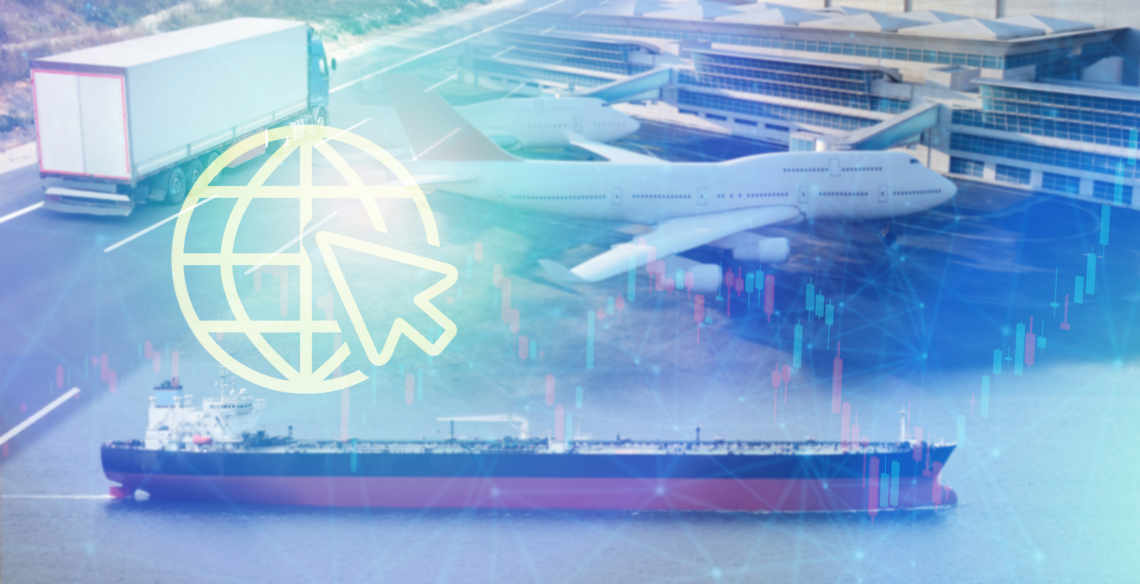
In an age where efficiency and technology are key drivers of progress, transportation automation and artificial intelligence consulting are changing the way we move. These innovative research tools promise to transform traditional transportation systems into smarter, more efficient, and responsive networks.
What Is Transportation Automation and Artificial Intelligence Consulting
Transportation automation and artificial intelligence consulting is a specialized field that combines the nuances of transportation and logistics with the latest advancements in technology. This consulting area focuses on integrating automation and AI into various aspects of transportation systems, enhancing their efficiency, reliability, and sustainability.
Consequently, transportation automation and artificial intelligence consulting improve the functioning of transportation systems and assist businesses in obtaining a deep understanding of both transportation logistics and AI technology to develop tailored solutions that address specific challenges within the sector.
Why Businesses Need Transportation Automation and Artificial Intelligence Consulting
Implementing freight automation and artificial intelligence consulting can lead to substantial cost savings. From optimized fuel usage to reduced labor costs and minimized operational inefficiencies, the financial benefits are substantial.
Additionally, automation technologies reduce the risk of human error, which is a leading cause of accidents in transportation.
AI systems can predict and avoid potential hazards, contributing to safer travel and transport.
AI also provides valuable insights by analyzing transportation data. This helps businesses make informed decisions about logistics, fleet management, and route planning. Furthermore, freight automation and artificial intelligence consulting help businesses meet customer expectations of a quick and reliable service.
Key Success Factors in Transportation Automation and Artificial Intelligence Consulting
For transportation automation and artificial intelligence consulting to be successful, businesses need to meet certain criteria. These elements are essential for ensuring that the integration of these technologies addresses current needs and adapts to future changes and challenges in the transportation sector.
Customized Solution Development
Given the diverse nature of transportation operations, solutions need to be customized to address specific challenges and operational contexts. A one-size-fits-all approach is rarely effective.
- 利害關係人參與: Engaging all stakeholders (including operational staff, management, and external partners) is important for understanding different perspectives and ensuring that the solutions meet these requirements.
- Expertise and Training: Ensuring that staff are adequately trained to work with new AI and automation technologies is essential. Additionally, tapping into specialized expertise, either in-house or through external consultants, can significantly enhance the success of these initiatives.
- 監控和持續改進: Continuous monitoring of system performance and regular updates based on feedback and evolving needs are vital for long-term success and optimization.
- Regulatory Compliance and Security: Ensuring that the system complies with all relevant regulations and standards is critical for businesses in this industry.
Expected Results from Transportation Automation and Artificial Intelligence Consulting
Delving into transportation automation and artificial intelligence consulting can result in a range of substantial results, revolutionizing the transportation industry in several meaningful ways – and some of the main expected outcomes include:
- 提高營運效率: Automation and AI streamline transportation processes, leading to increased efficiency in operations such as route planning, traffic management, and logistics coordination.
- 降低成本: By optimizing routes, reducing fuel consumption, and minimizing idle time, AI and automation can help lower operational costs significantly.
- 提高可擴展性: Automated and AI-enhanced systems can easily adapt to handle increased volumes, facilitating the scalability of transportation operations.
- 更好的客戶體驗: With AI-driven analytics and real-time tracking capabilities, businesses can offer improved customer service in transportation, enhancing satisfaction and loyalty.
Technologies and Tools
The field of transportation automation and artificial intelligence consulting utilizes a variety of advanced technologies and tools to enhance transportation systems. These innovations are key for enhancing efficiency, safety, and sustainability in transportation. Some of these technologies and tools include:
- Traffic Management Systems: Advanced traffic management systems utilize AI to optimize traffic flow and reduce congestion, improving overall transportation efficiency.
- Geospatial Analysis Tools: Technologies like GIS (Geographic Information Systems) are used for route planning and optimizing delivery paths, considering various geographic and environmental factors.
- Data Analytics Software: Big data analytics tools, such as Tableau and Power BI, are crucial for processing and interpreting vast amounts of transportation data, providing actionable insights.
- Fleet Management Systems: Systems like Fleet Complete and Samsara provide AI-powered fleet management solutions, offering real-time tracking, performance monitoring, and efficiency optimization.
- Drones and Unmanned Aerial Vehicles (UAVs): Drones are increasingly being used for surveillance, traffic monitoring, and in some cases, small-scale deliveries, adding a new dimension to transportation and logistics.
機會與挑戰
The integration of automation and artificial intelligence in transportation consulting offers a wide array of opportunities… But it also presents unique challenges that need to be navigated effectively.
機會
- 提高安全性: Automation in transportation can decrease the incidence of accidents and enhance overall safety for both passengers and cargo.
- 可持續性: AI-driven transportation systems can contribute to environmental sustainability by optimizing routes for reduced emissions and supporting the integration of electric vehicles.
- Innovative Services and Business Models: Transportation automation and artificial intelligence consulting opens doors for new services and business models in the transportation industry, such as autonomous taxi services or advanced logistics solutions.
挑戰
- 與現有基礎設施整合: Seamlessly integrating new technologies with existing transportation systems and infrastructure poses a significant challenge.
- 網路安全風險: With increased reliance on digital systems comes the heightened risk of cyberattacks, which can compromise safety and operational integrity.
- Workforce Disruption: The shift towards automation may lead to workforce displacement and necessitates considerations around retraining and job reallocation.
Future Outlook of Transportation Automation and Artificial Intelligence Consulting
The future of transportation automation and artificial intelligence consulting holds immense potential and is poised to bring transformative changes to the industry. Here are some key aspects that shape the future outlook in this field:
- Expansion of Autonomous Vehicles: The continued development and eventual widespread adoption of autonomous vehicles are expected to fundamentally change personal and commercial transportation
- Smarter Traffic Management Systems: With advancements in AI, traffic management systems will become more efficient, reducing congestion and improving transit times.
- Increased Integration of IoT: The Internet of Things will play a crucial role in transportation, with more connected devices providing real-time data to optimize operations and enhance safety.
- Sustainable Transportation Solutions: AI and automation will drive the development of more sustainable transportation solutions, focusing on reducing environmental impact and promoting green practices.
- Enhanced Logistics and Supply Chain Management: AI-driven logistics and supply chain management will become more efficient, with predictive analytics improving inventory management and reducing waste.
SIS Solutions: Transportation Automation and Artificial Intelligence Consulting
At SIS, we understand the transformative potential of transportation automation and artificial intelligence in revolutionizing the transportation industry. Our consulting solutions offer a strategic roadmap for businesses to seamlessly integrate automation and AI technologies into their transportation systems, unlocking new levels of efficiency, safety, and sustainability. Here’s how we can help:
- 綜合市場分析: Our team conducts in-depth market analysis to identify emerging trends, technological advancements, and competitive dynamics within the transportation industry. We provide insights into how automation and AI are reshaping transportation networks and offer strategic recommendations to capitalize on new opportunities.
- Customized Solution Development: We develop customized automation and AI solutions tailored to address the specific challenges and operational contexts of our clients. Whether it’s implementing autonomous vehicle systems, optimizing traffic management algorithms, or deploying AI-driven predictive maintenance solutions, we design solutions that deliver tangible results.
- 利害關係人參與: We engage all stakeholders, including operational staff, management, and external partners, to understand different perspectives and ensure that the solutions meet their requirements. Effective stakeholder engagement is crucial for successful implementation and adoption of automation and AI technologies.
- Expertise and Training: We provide expertise and training to ensure that staff are adequately trained to work with new automation and AI technologies. Additionally, we tap into specialized expertise, either in-house or through external consultants, to enhance the success of these initiatives.
- Regulatory Compliance and Security: We ensure that the automation and AI solutions comply with all relevant regulations and standards, mitigating the risk of non-compliance. Data privacy, cybersecurity, and regulatory compliance are top priorities in our consulting approach.
- 持續監控與優化: We provide ongoing support to monitor the performance of automation and AI systems, identify areas for improvement, and optimize their performance. Continuous monitoring and optimization are essential for long-term success and adaptation to evolving needs.
- 與現有基礎設施整合: We help businesses seamlessly integrate new automation and AI technologies with their existing transportation systems and infrastructure. Compatibility, scalability, and minimal disruption are key considerations in our integration approach.
Partner with SIS for comprehensive transportation automation and artificial intelligence consulting solutions that drive innovation, efficiency, and sustainability in the transportation industry. With our strategic approach and industry expertise, we help clients unlock the full potential of automation and AI to create safer, more efficient, and responsive transportation networks.

 ZH_HK
ZH_HK  EN
EN  AR
AR  ZH
ZH  NL
NL  FR
FR  DE
DE  IT
IT  JA
JA  KO
KO  PL
PL  PT
PT  ES
ES