
Pesquisa de mercado de testes de sabor monádicos

Monadic taste testing market research has become a crucial tool for modern organizations to understand their product offerings unbiasedly.
Consumer preferences are highly complex, with several factors influencing consumer choices… But what if there was a way to strip away external influences and hone in on pure product perceptions? With monadic taste testing market research, businesses can eliminate genuine feedback for their products and increase their ROI as a result.
O que é pesquisa de mercado de testes de sabor monádicos?
A pesquisa de mercado de teste de sabor monádico é uma forma especializada de avaliação de produto em que os participantes são expostos a apenas uma variante do produto, sem quaisquer comparações diretas com outras variantes. Esta abordagem foi projetada para obter uma compreensão clara e imparcial dos atributos, qualidades e aceitabilidade geral de um produto individual. Isola o produto de influências externas ou preconceitos que possam surgir de comparações diretas com outros produtos.
In monadic taste testing market research, each participant typically evaluates just one version of the product in a controlled setting. By doing so, their feedback and ratings are based solely on their experience with that single product. This method is particularly valuable when brands want to assess the qualities of a product without the noise of competitive benchmarks.
Benefícios da pesquisa de mercado de testes de sabor monádicos
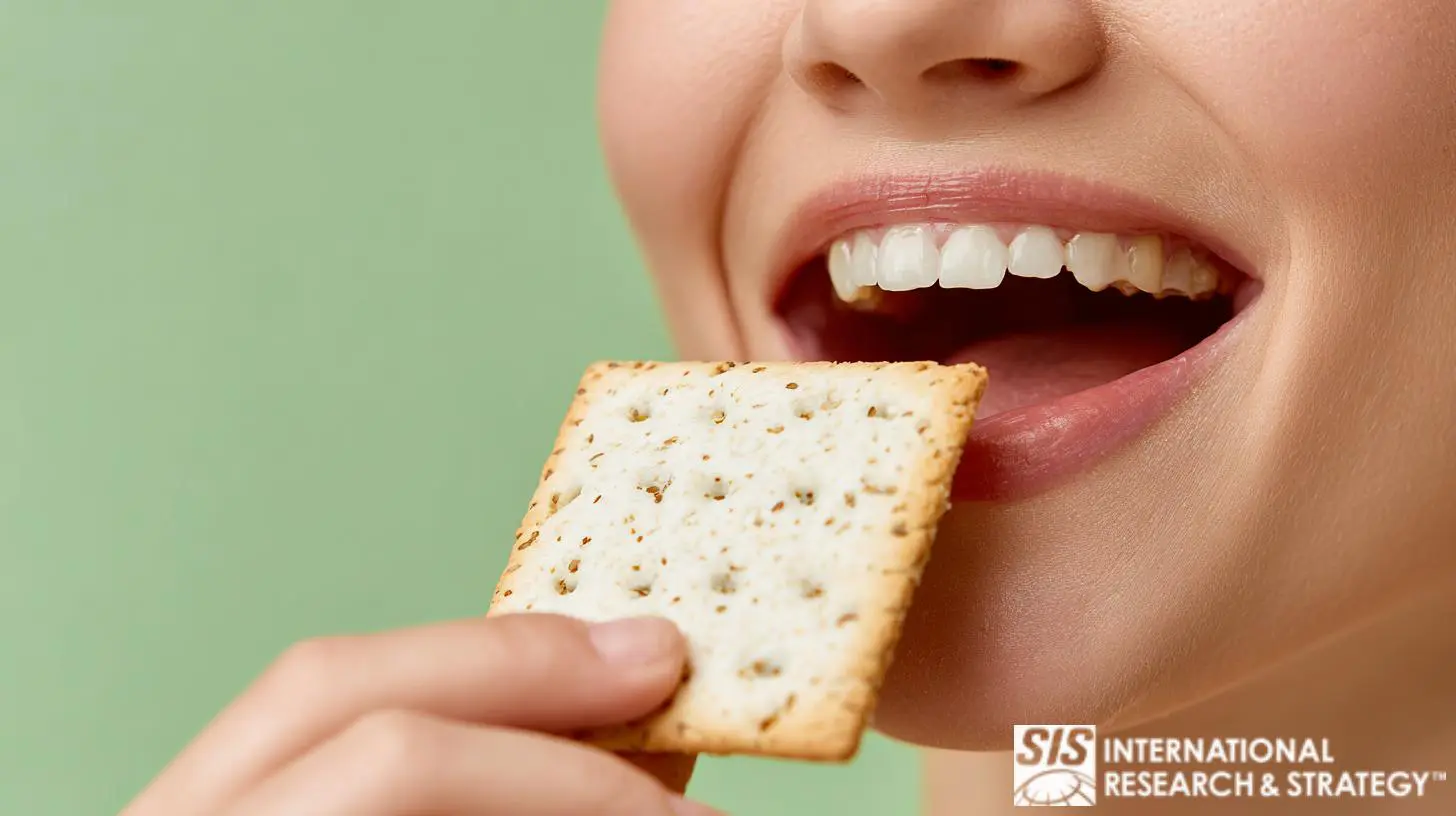
No mundo em rápida evolução das preferências dos consumidores, obter feedback genuíno é crucial para que as marcas prosperem. Por meio de pesquisas de mercado, as empresas podem aproveitar inúmeras vantagens, como:
- Feedback imparcial: Como os participantes estão expostos a apenas uma variante do produto, as suas percepções permanecem imparciais por comparações externas. Esse feedback puro fornece uma compreensão mais clara de como o produto se destaca por seus próprios méritos.
- Informações detalhadas do produto: O foco em um único produto garante que o feedback seja específico e detalhado, permitindo que as marcas entendam as nuances e qualidades intrincadas que repercutem nos consumidores ou precisam de melhorias.
- Carga cognitiva reduzida: With only one product to assess, multiple comparisons don’t overwhelm participants. This means they can provide feedback more thoughtfully and accurately.
- Alocação eficiente de recursos: Market research insights allow businesses to allocate resources more efficiently, whether for product refinement, marketing campaigns, or future research endeavors.
- Maior confiabilidade estatística: Since each participant evaluates only one variant, the sample size for each product is larger than other methods where participants might test multiple products. This often leads to more statistically reliable results.
Oportunidades de pesquisa de mercado de testes de sabor monádicos
The competitive landscape of the business world needs innovative research methodologies to stay ahead – and monadic taste-testing market research not only offers insights but also opens up many opportunities for businesses. Here are some of the key opportunities that businesses can harness:
- Refinamento do produto: Market research insights provide businesses with specific areas for improvement, allowing them to refine their products to better meet consumer expectations.
- Lançamentos de produtos estratégicos: For businesses looking to introduce a new product or variant, this method can provide a clear picture of how the market might receive it, helping devise strategic launch plans.
- Estratégias de marketing aprimoradas: Understanding a product’s standalone attributes enables businesses to craft more compelling and targeted marketing messages.
- Extensões de linha de produtos personalizadas: As empresas podem identificar potenciais lacunas ou necessidades na sua linha de produtos e utilizar os conhecimentos desta investigação para desenvolver novas variantes ou extensões que atendam às exigências específicas dos consumidores.
- Gerenciamento de riscos: Before making significant investments in production or marketing, businesses can gauge a product’s potential success or pitfalls, helping to manage and mitigate risks.
- Identificando nichos de mercado: A pesquisa de mercado monádica de testes de sabor pode revelar segmentos específicos de consumidores que têm uma forte ressonância com um determinado produto, permitindo que as empresas atinjam nichos de mercado de forma eficaz.
- Desenvolvimento de estratégia de preços: Based on a product’s perceived value and feedback, businesses can develop pricing strategies that align with consumer expectations and willingness to pay.
- Vantagem competitiva: O emprego de pesquisas de mercado de testes de sabor monádicos pode fornecer às empresas insights que os concorrentes podem ignorar, oferecendo uma vantagem competitiva distinta.
Desafios da pesquisa de mercado de testes de sabor monádicos
A pesquisa de mercado de testes de sabor monádicos oferece uma série de vantagens, mas também vários desafios. Assim, as empresas devem estar conscientes destas potenciais armadilhas para maximizar os benefícios e minimizar as desvantagens. Aqui estão alguns desafios principais associados a esta metodologia de pesquisa:
- Prazos mais longos: Since each respondent evaluates only one product, businesses may require more participants and sessions to obtain a comprehensive view, potentially extending the research timeframe. Additionally, conducting individual tests for each product variant can increase research costs compared to methods where multiple products are evaluated simultaneously.
- Ênfase exagerada em um único produto: With the entire focus on one product, there’s a potential risk of over-analyzing or placing too much emphasis on specific feedback, which may not represent broader market sentiments. Consequently, market research provides feedback on individual products without relative comparisons. Businesses may face challenges in contextualizing the results in the wider market landscape.
- Potencial para fadiga do participante: If businesses decide to expose a participant to more than one product in separate sessions, respondent fatigue can impact the quality of feedback in successive sessions.
- Ignorando influências externas: Although the monadic method isolates the product, external factors like branding, packaging, and advertising can still influence perceptions. Ignoring these elements might lead to incomplete insights. Similarly, this method won’t capture insights related to product interactions or combinations for businesses with products often used in conjunction with others.
Perspectivas futuras e integração tecnológica na pesquisa de mercado de testes de sabor monádicos

O cenário da pesquisa de mercado de testes de sabor monádicos está em constante evolução, moldado pelos avanços tecnológicos e pelas mudanças na dinâmica do comportamento do consumidor. Aqui está uma olhada no que o futuro reserva para esta área especializada de pesquisa de mercado:
- Integração de Realidade Virtual (VR) e Realidade Aumentada (AR): Com o surgimento da VR e da AR, a pesquisa de mercado de testes monádicos de sabor pode simular ambientes em que um produto é normalmente consumido. Por exemplo, provar uma bebida com tema de praia enquanto praticamente “sentado” na praia. Essa experiência holística fornece dados mais ricos sobre a percepção do produto no contexto.
- Inteligência Artificial (IA) e Aprendizado de Máquina (ML): A IA e o ML podem ajudar a analisar grandes quantidades de dados gerados a partir de testes de sabor, identificando padrões e preferências que podem passar despercebidos na análise tradicional. Isso pode ajudar as marcas a refinar seus produtos de forma mais eficaz.
- Equipamento Sensorial Avançado: Technological advancements will lead to more sophisticated equipment that can detect and analyze even the minutest flavor or texture variations, ensuring that products are optimized to the highest degree.
- Análise de dados em tempo real: As marcas poderão obter insights instantâneos durante pesquisas de mercado de testes de sabor monádicos, permitindo tomadas de decisão e refinamentos de produtos mais rápidos.
- Personalização e Personalização: À medida que as marcas passam a oferecer produtos personalizados, os testes monádicos de sabor podem ajudar a avaliar as preferências individuais, levando a produtos adaptados a segmentos específicos de consumidores.
What Makes SIS International a Top Monadic Taste Testing Market Research Company?
SIS Internacional excels in monadic taste testing, providing businesses with detailed insights to improve product quality and consumer satisfaction. With over 40 years of expertise and cutting-edge methodologies, SIS ensures that every monadic testing project delivers reliable and actionable results.
Expertise in Monadic Testing Methodology
SIS specializes in monadic testing, where each participant evaluates one product at a time. This method eliminates comparison bias and ensures genuine feedback, helping businesses understand individual product performance.
Instalações de teste de última geração
Our advanced facilities in New York are designed to conduct monadic taste tests under controlled conditions. Equipped with the latest sensory analysis tools, we ensure that every aspect of a product is evaluated with precision and accuracy.
Acesso a Painéis de Consumidores Diversos
New York’s diverse population is an asset for monadic taste testing. SIS recruits participants from various demographics, ensuring that a representative cross-section of your target audience evaluates your product.
Tailored Solutions for Businesses
SIS customizes its monadic testing services to fit the unique needs of your industry and product. Our flexible approach ensures relevant and insightful results, whether you’re testing new recipes, beverage formulations, or product packaging.
Soluções de pesquisa acessíveis
SIS is committed to providing high-quality research at competitive rates. Our cost-effective monadic taste testing services make us an accessible choice for businesses of all sizes, from startups to global brands.
In-Depth Insights for Product Optimization
Monadic taste testing provides focused, unbiased feedback on a single product. SIS takes this data further, delivering actionable insights that guide product refinement, from flavor adjustments to overall consumer appeal.
Quick Turnaround for Rapid Decision-Making
In fast-moving markets, time is critical. SIS ensures timely delivery of results, enabling businesses to make informed decisions and stay ahead of competitors.
Commitment to Objective Testing
The monadic approach is inherently unbiased, and SIS upholds this standard with meticulous attention to detail. Our research ensures that participants focus solely on the product, delivering genuine insights into its attributes.
Abordagem focada no cliente
SIS International works closely with clients to understand their goals and challenges. Our team of experts provides personalized guidance throughout the research process, ensuring that every project delivers meaningful results tailored to your needs.
Localização de nossas instalações em Nova York
11 E 22nd Street, 2º andar, Nova York, NY 10010 T: +1(212) 505-6805
Sobre SIS Internacional
SIS Internacional oferece pesquisa quantitativa, qualitativa e estratégica. Fornecemos dados, ferramentas, estratégias, relatórios e insights para a tomada de decisões. Também realizamos entrevistas, pesquisas, grupos focais e outros métodos e abordagens de Pesquisa de Mercado. Entre em contato conosco para o seu próximo projeto de pesquisa de mercado.

 PT
PT  EN
EN  AR
AR  ZH
ZH  ZH_HK
ZH_HK  NL
NL  FR
FR  DE
DE  IT
IT  JA
JA  KO
KO  PL
PL  ES
ES