
Consultoria em Automação de Utilidades e Inteligência Artificial
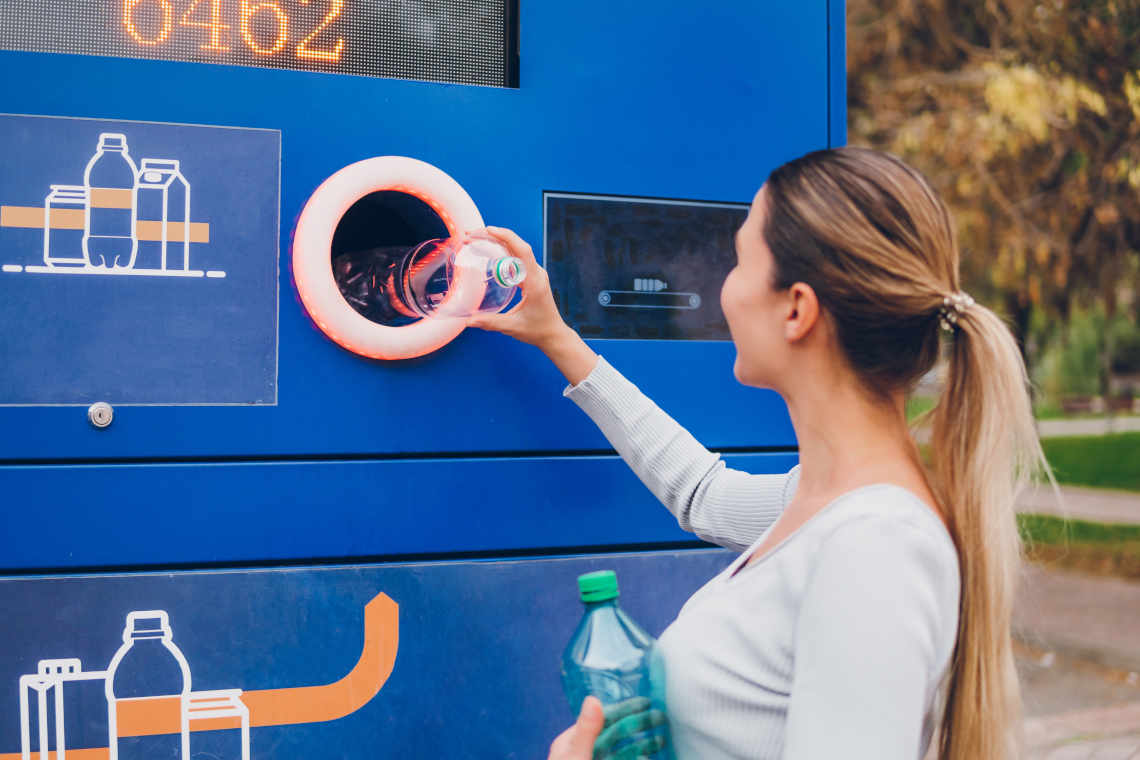
A automação de serviços públicos e a consultoria em inteligência artificial fornecem uma abordagem abrangente para aproveitar essas tecnologias, melhorando tudo, desde a distribuição de energia e gestão de água até o tratamento de resíduos e conservação de recursos – e ao aproveitar o poder da IA e da automação, os fornecedores de serviços públicos podem otimizar operações, reduzir o impacto ambiental, e oferecer um serviço superior aos consumidores, estabelecendo um novo padrão de excelência no setor de serviços públicos.
O que é Consultoria em Automação de Utilidades e Inteligência Artificial?
Utilities automation and artificial intelligence consulting focuses on leveraging automation and AI to optimize utility performance, including electricity, gas, water, and waste management services. By implementing intelligent systems and processes, utilities can achieve greater operational efficiency, enhanced service reliability, and a reduced environmental footprint, marking a significant shift from traditional utility management practices.
No centro da automação de serviços públicos e da consultoria de inteligência artificial está a aplicação de análise de dados, algoritmos de aprendizado de máquina e tecnologias IoT (Internet das Coisas) para prever a demanda, gerenciar recursos e manter a infraestrutura. Essas tecnologias permitem que os provedores de serviços públicos antecipem e respondam às mudanças nos padrões de uso, identifiquem possíveis falhas do sistema antes que elas ocorram e automatizem tarefas rotineiras.
Por que as empresas precisam de consultoria em automação de serviços públicos e inteligência artificial
O impacto transformacional da automação dos serviços públicos e da consultoria em inteligência artificial é particularmente evidente no contexto do impulso global em direção às fontes de energia renováveis. À medida que os fornecedores de serviços públicos se esforçam para integrar a energia renovável nos seus portfólios, enfrentam os desafios da oferta flutuante, da previsão da procura e da estabilidade da rede – e a IA e a automação oferecem mecanismos sofisticados de análise e controlo que permitem uma gestão mais eficaz destas dinâmicas, garantindo uma estabilidade, fornecimento de energia eficiente que se alinhe com as metas de sustentabilidade.
Além disso, a crescente procura por soluções mais inteligentes de conservação de água e de gestão de resíduos sublinha a relevância destes serviços de consultoria. Através da aplicação de análises baseadas em IA, as concessionárias podem melhorar os sistemas de distribuição de água, detectar vazamentos, prever falhas de infraestrutura e otimizar as operações de processamento de resíduos. Isto não só contribui para a conservação de recursos críticos, mas também apoia o desenvolvimento de princípios de economia circular no sector dos serviços públicos.
Além disso, ao aproveitar estas tecnologias, os fornecedores de serviços públicos podem satisfazer as actuais expectativas de eficiência e sustentabilidade. Esta abordagem voltada para o futuro é essencial para manter a relevância e alcançar o sucesso a longo prazo no setor de serviços públicos, tornando o investimento em automação e consultoria de IA não apenas estratégico, mas imperativo... Mas tem muitos outros benefícios para as organizações deste setor, incluindo:
- Eficiência operacional: Um dos principais benefícios é o aumento significativo na eficiência operacional. A automação reduz processos manuais, minimizando erros e acelerando os tempos de resposta. A IA melhora isso otimizando a distribuição de energia, prevendo necessidades de manutenção e gerenciando recursos de forma mais eficaz.
- Melhor estabilidade da rede e gerenciamento de energia: Os algoritmos de IA desempenham um papel crucial no equilíbrio entre a oferta e a procura, integrando fontes de energia renováveis na rede sem comprometer a estabilidade. Isto é crucial para a transição para soluções energéticas sustentáveis e, ao mesmo tempo, atender às crescentes demandas energéticas.
- Maior satisfação do cliente: Com IA e automação, as concessionárias podem oferecer experiências personalizadas aos clientes, desde modelos de preços dinâmicos até dados de consumo em tempo real.
- Gestão de Risco e Conformidade: A automação de serviços públicos e a consultoria em inteligência artificial também ajudam os fornecedores de serviços públicos a navegar no cenário regulatório, garantindo a conformidade com os padrões ambientais e regulamentos de segurança.
- Inovação e vantagem competitiva: O envolvimento na automação de serviços públicos e na consultoria de inteligência artificial promove a inovação, permitindo que os fornecedores de serviços públicos se mantenham à frente das tendências tecnológicas e das mudanças regulamentares.
Quem utiliza consultoria de automação de utilidades e inteligência artificial?
Os fornecedores de serviços públicos tradicionais, como empresas de eletricidade, gás, água e gestão de resíduos, constituem os principais utilizadores dos serviços de consultoria de automação e inteligência artificial de serviços públicos. Estes fornecedores estão sob crescente pressão para melhorar a eficiência operacional, integrar fontes de energia renováveis e melhorar o serviço ao cliente (ao mesmo tempo que aderem a regulamentações ambientais rigorosas). Os serviços de consultoria equipam estes players tradicionais com as ferramentas tecnológicas e conhecimentos estratégicos necessários para modernizar as suas operações e satisfazer estas exigências multifacetadas.
Além disso, as empresas de energias renováveis estão a recorrer à IA e à automação para otimizar a produção, o armazenamento e a distribuição de energia limpa. Estas empresas utilizam serviços de consultoria para navegar pelas complexidades da integração de energias renováveis nas redes existentes e para desenvolver sistemas inteligentes que prevejam e se adaptem às flutuações na oferta e procura de energia.
Órgãos Reguladores e Agências Governamentais também se dedicam à automação de concessionárias e consultoria de inteligência artificial. Estas entidades estão interessadas em aproveitar a tecnologia para melhorar a supervisão regulamentar, garantir a conformidade e promover a adoção de práticas sustentáveis na indústria. Os serviços de consultoria fornecem-lhes a experiência necessária para compreender o potencial e as implicações da IA e da automação na definição de quadros políticos e regulamentares.
Além disso, os municípios e os governos locais estão a adotar cada vez mais tecnologias de IA e de automação. Os serviços de consultoria auxiliam estas entidades na implantação de soluções de infraestrutura inteligentes, melhorando a eficiência dos serviços públicos e envolvendo os cidadãos em práticas sustentáveis de utilização de serviços públicos.
Como a consultoria em automação de serviços públicos e inteligência artificial difere da pesquisa de mercado tradicional?
Ao contrário da pesquisa de mercado tradicional, que principalmente reúne e analisa dados de consumidores e de mercado para obter insights estratégicos, a automação de serviços públicos e a consultoria em inteligência artificial concentram-se na integração de tecnologias avançadas em operações de serviços públicos. Isso envolve a implantação de algoritmos de IA, modelos de aprendizado de máquina e sistemas de automação para aumentar a eficiência, a confiabilidade e a sustentabilidade.
Da mesma forma, a pesquisa de mercado tradicional muitas vezes depende de dados históricos, fornecendo insights que orientam decisões estratégicas de longo prazo. Em contraste, a automação de serviços públicos e a consultoria de inteligência artificial aproveitam dados em tempo real e análises preditivas para apoiar decisões e ajustes operacionais imediatos. Esta capacidade é crucial para sistemas dinâmicos como redes de serviços públicos, onde as condições mudam rapidamente e exigem respostas rápidas.
A consultoria em automação de utilidades e IA vai além das tendências de mercado e do comportamento do consumidor para incluir a otimização da infraestrutura física e dos processos operacionais. Isto inclui a automação de tarefas rotineiras, manutenção preditiva de infraestrutura e otimização da distribuição de energia, áreas normalmente não cobertas pelas pesquisas de mercado tradicionais.
Principais fatores de sucesso
A implementação bem-sucedida da automação de serviços públicos e da consultoria em inteligência artificial depende de vários fatores-chave. Compreender e priorizar estes fatores pode influenciar significativamente os resultados dos compromissos de consultoria, impulsionando a eficiência, a inovação e a sustentabilidade nas operações dos serviços públicos.
- Qualidade e acessibilidade dos dados: Garantir que os dados sejam precisos, oportunos e facilmente acessíveis em toda a organização é essencial para processos eficazes de treinamento, análise e tomada de decisões de modelos de IA. As empresas de serviços públicos devem investir em práticas e infraestruturas robustas de gestão de dados para apoiar os seus esforços de IA e automação.
- Colaboração multifuncional e envolvimento das partes interessadas: A implementação de automação e IA em serviços públicos requer colaboração entre vários departamentos e funções, desde TI e operações até atendimento ao cliente e conformidade. Envolver as partes interessadas de toda a organização garante que as iniciativas de IA e automação estejam bem integradas nos processos existentes e que atendam às necessidades e preocupações de todas as partes do negócio.
- Considerações sobre segurança cibernética e privacidade: Successful utilities automation and artificial intelligence consulting must incorporate robust security measures to protect against cyber threats and ensure data privacy. This includes implementing secure data storage and transmission protocols, conducting regular security assessments, and complying with relevant data protection regulations.
- Aprendizagem e Adaptação Contínua: A natureza acelerada e em constante mudança do sector dos serviços públicos exige um compromisso com a aprendizagem e adaptação contínuas. Os fornecedores de serviços públicos devem estar preparados para rever e atualizar regularmente as suas estratégias de IA e automação, incorporando novos conhecimentos, tecnologias e melhores práticas.
Oportunidades em Automação de Utilidades e Consultoria em Inteligência Artificial
A integração da automação e da inteligência artificial no setor dos serviços públicos abre uma infinidade de oportunidades para as empresas, impulsionando a inovação, melhorando a eficiência operacional e promovendo a sustentabilidade. Aqui estão algumas oportunidades importantes para empresas neste cenário em rápida evolução:
- Envolvimento aprimorado do cliente com IA: As tecnologias de IA permitem que as concessionárias se envolvam com os clientes de maneiras mais significativas, oferecendo serviços personalizados, modelos de preços dinâmicos e informações sobre o uso de energia em tempo real. Este nível de personalização melhora a satisfação e a fidelidade do cliente e permite que os consumidores tomem decisões mais informadas sobre o seu consumo de energia.
- Integração de Fontes de Energia Renováveis: As the transition to renewable energy sources accelerates, AI and automation provide the tools necessary to seamlessly integrate these sources into the existing energy mix. This includes managing renewable energy variability, optimizing grid performance, and ensuring a stable energy supply.
- Melhorias na segurança cibernética: As the utilities sector becomes increasingly digital, the risk of cyber threats grows. AI and automation offer advanced cybersecurity solutions, monitoring networks for potential threats and responding in real time to mitigate risks and protect critical infrastructure and consumer data.
- Conformidade regulatória e relatórios: Automation and AI simplify the compliance process for utilities, ensuring greater accuracy and efficiency in adherence to regulatory requirements. Automated reporting systems also reduce the administrative burden of compliance, allowing utilities to focus more on their core operations.
Sobre SIS Internacional
SIS Internacional oferece pesquisa quantitativa, qualitativa e estratégica. Fornecemos dados, ferramentas, estratégias, relatórios e insights para a tomada de decisões. Também realizamos entrevistas, pesquisas, grupos focais e outros métodos e abordagens de Pesquisa de Mercado. Entre em contato conosco para o seu próximo projeto de pesquisa de mercado.

 PT
PT  EN
EN  AR
AR  ZH
ZH  ZH_HK
ZH_HK  NL
NL  FR
FR  DE
DE  IT
IT  JA
JA  KO
KO  PL
PL  ES
ES