
Focus Groups That Deliver Real Voices, Real Insight, Real Advantage
Our world-class Focus Group facilities and recruitment capabilities turn consumer and B2B conversations into actionable insight.

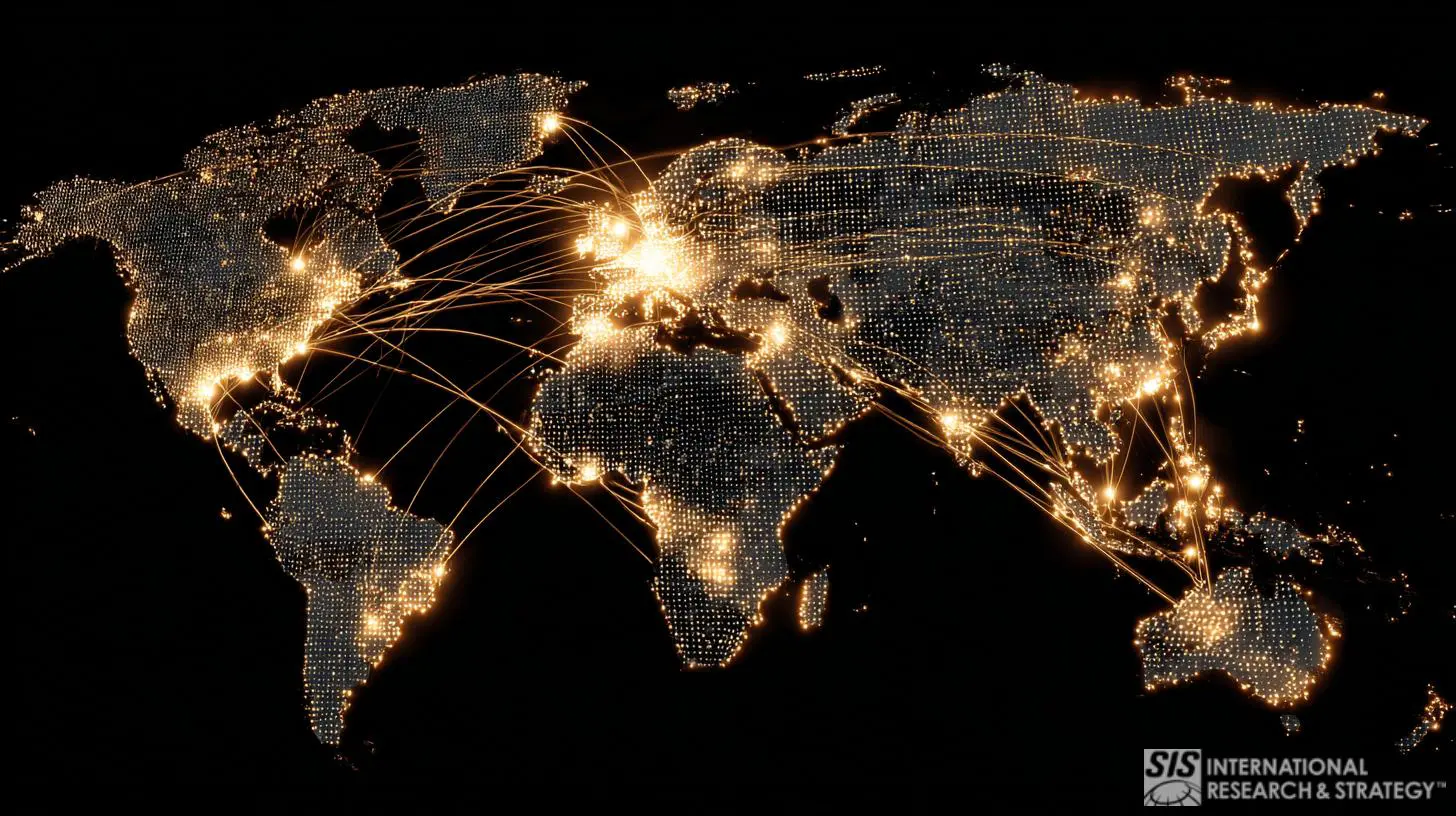
Focus Groups That Deliver Real Voices, Real Insight, Real Advantage
Focus groups remain the sharpest instrument for hearing what buyers actually think before they commit capital. The format has evolved. The discipline behind it separates the firms that win from those that guess.
For B2B industrial leaders evaluating product launches, channel shifts, or pricing changes, qualitative depth beats survey volume. A well-moderated session with eight procurement directors reveals the decision logic that a thousand survey rows cannot. The question is not whether to run focus groups. The question is how to run them so the output drives investment decisions, not deck filler.
Why Focus Groups That Deliver Real Voices Real Insight Real Advantage Outperform Conventional Qualitative

Conventional focus groups recruit broadly, moderate gently, and report consensus. The output describes what buyers say in a room. That is rarely what they do in a procurement cycle.
Leading firms invert the model. They recruit by decision authority, not job title. A plant manager with sign-off on a $4M capital line behaves differently from one routing recommendations upward. The former defends choices. The latter advocates them. Mixing the two contaminates the read.
The second shift is moderator posture. Passive facilitation surfaces social consensus. Structured probing surfaces the bill of materials trade-offs, the supplier qualification audit friction, and the total cost of ownership math that actually drives industrial purchase decisions. Caterpillar, Siemens, and Honeywell run dealer and end-user qualitative programs precisely because installed base analytics tell them what happened, not why.
According to SIS International Research, B2B industrial focus groups produce roughly three times more usable strategic insight when participants are pre-screened for active deals in the procurement pipeline rather than general category familiarity. Recency of decision, not depth of category knowledge, predicts session value.
Recruitment Is the Single Largest Driver of Insight Quality

Most failed qualitative work fails at recruitment. The moderator and the discussion guide get the blame. The screener was the problem.
Industrial buyers sit inside layered decision units. The specifier, the approver, the operator, and the procurement gatekeeper each hold different objections. A focus group of “engineers” blends these roles and produces averaged opinion. A focus group of six specifiers from comparable plant sizes, all currently evaluating a competing OEM, produces specific objection language that maps directly to sales enablement and product positioning.
Recruitment screening for B2B industrial work should verify deal stage, budget authority, supplier shortlist composition, and last purchase recency. Database recruitment beats panel recruitment for senior industrial roles because panels skew toward professional respondents. Referral-based recruitment through trade associations and verified LinkedIn outreach reaches the buyers who never join panels.
The Recruitment Quality Matrix
| Recruitment Tier | 원천 | Typical Use Case |
|---|---|---|
| Tier 1 | Verified active buyers in current procurement cycle | Pricing, competitive positioning, win/loss |
| Tier 2 | Recent purchasers (last 12 months) | Product satisfaction, switching triggers |
| Tier 3 | Category-familiar professionals | Concept exploration, early-stage ideation |
| Tier 4 | General panel respondents | Limited B2B industrial value |
Source: SIS International Research
Hybrid Formats Expand Reach Without Diluting Depth

In-person sessions still produce the richest body language read and the strongest peer dynamics. Virtual focus groups produce broader geographic coverage, faster turnaround, and access to executives who will not travel. The choice is no longer either-or.
The most effective programs sequence formats. A virtual session with twelve VPs across four regions establishes the strategic frame. Two in-person sessions with operators in priority markets pressure-test the frame against day-to-day reality. The combination triangulates strategy and execution in a single study.
Asynchronous bulletin-board qualitative adds a third layer. Participants post over four to seven days, attach photos of equipment, upload spec sheets, and respond to follow-up probes. For complex industrial purchases involving installed base analytics or aftermarket revenue strategy, this format captures evidence that no live session reaches.
SIS International’s hybrid qualitative engagements across industrial OEM clients in North America, Germany, and Japan consistently show that combining live moderation with three-day asynchronous follow-up increases actionable insight yield by a meaningful margin over single-format designs.
Moderation Is a Strategic Skill, Not a Facilitation Skill

The moderator is the most undervalued line item in the budget. A generalist moderator runs a smooth session and delivers a clean transcript. A category-fluent moderator hears the half-statement that signals a real objection and probes it before the participant retreats to the polite version.
In industrial B2B, the moderator should understand reshoring feasibility implications, supplier qualification audit cycles, and the difference between a stated preference for “reliability” and the actual mean-time-between-failure threshold a plant requires. Without that fluency, the session captures vocabulary instead of meaning.
SIS International deploys moderators with sector backgrounds across automotive, heavy equipment, industrial automation, and process manufacturing. The methodology pairs each moderator with a sector analyst who observes live and feeds probes through an earpiece when the discussion approaches a strategic inflection point. This is not standard practice. It produces non-standard output.
From Transcript to Investment Decision

Most focus group reports end at themes. Themes are interesting. Themes do not unlock budget.
The output that moves senior industrial leadership pairs verbatim evidence with quantified implication. A claim that “buyers prioritize uptime over price” carries weight only when paired with the specific downtime cost threshold cited by participants and the price premium that threshold justifies. This is where qualitative connects to total cost of ownership modeling and aftermarket revenue strategy decisions.
SIS International’s structured expert interview and focus group programs across Fortune 500 industrial manufacturers consistently translate qualitative findings into pricing bands, feature prioritization scores, and channel investment recommendations that finance teams accept without rework.
The SIS Qualitative Value Chain

| Stage | 활동 | 산출 |
|---|---|---|
| 1. Decision Framing | Align study to specific leadership decision | Decision brief with success criteria |
| 2. Targeted Recruitment | Screen by authority, deal stage, recency | Verified participant roster |
| 3. Sector-Fluent Moderation | Live probing with analyst observation | Strategic transcript, not vocabulary log |
| 4. Quantified Synthesis | Pair verbatims with implication math | Investment-grade recommendation |
Source: SIS International Research
The Competitive Advantage Compounds

Firms that run disciplined qualitative programs build a proprietary library of buyer language, objection patterns, and decision triggers that compounds over time. Each successive study costs less and yields more because the baseline already exists. Competitors starting from zero face a moving target.
This is the quiet advantage. Focus groups that deliver real voices, real insight, and real advantage are not events. They are an intelligence capability. The Fortune 500 industrial leaders that treat them this way enter every product cycle with a head start the competition cannot quickly close.






SIS 인터내셔널 소개
SIS 국제 정량적, 정성적, 전략 연구를 제공합니다. 우리는 의사결정을 위한 데이터, 도구, 전략, 보고서 및 통찰력을 제공합니다. 또한 인터뷰, 설문 조사, 포커스 그룹, 기타 시장 조사 방법 및 접근 방식을 수행합니다. 문의하기 다음 시장 조사 프로젝트를 위해.

 KO
KO  EN
EN  AR
AR  ZH
ZH  ZH_HK
ZH_HK  NL
NL  FR
FR  DE
DE  IT
IT  JA
JA  PL
PL  PT
PT  ES
ES