
철강시장조사
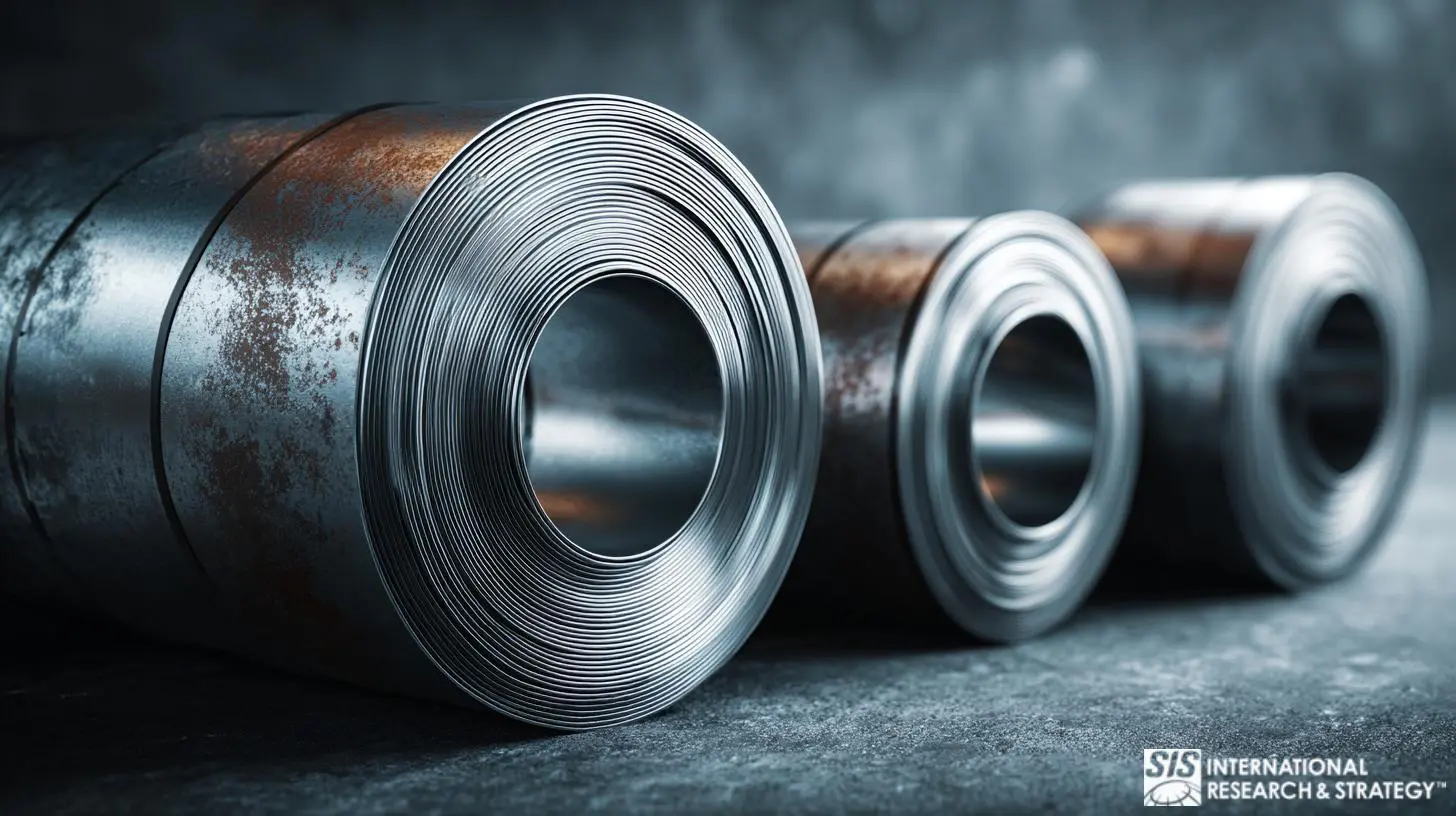
광범위한 산업 자재 세계에서 철강은 굽힐 수 없는 강도와 다용도성으로 인해 여러 산업에 없어서는 안 될 소재로 자리잡고 있습니다. 건설, 자동차, 기계, 가전제품에 이르기까지 철강은 점점 더 많이 소비되는 필수 제품으로 남아 있습니다. 따라서 철강 시장의 역학에 대한 철저한 이해는 제조업체, 공급업체 및 이해관계자 모두에게 중요합니다.
Therefore, steel market research provides nuanced insights into market conditions, trends, and forecasts in the context of industries that are growing and are likely to become even more important in the future.
철강과 그 응용의 이해
강철은 주로 철과 탄소로 구성된 합금입니다. 견고성, 내구성 및 성형성으로 인해 다양한 응용 분야에서 선호되는 선택이 되었습니다.
건설 산업에서 강철은 구조적 뼈대부터 지붕 자재까지 모든 용도로 사용됩니다. 자동차 부문은 또한 강도와 가단성으로 인해 차체, 엔진 및 기타 구성 요소에 강철에 크게 의존합니다. 강철은 내구성과 마모에 대한 저항성으로 인해 기계, 가전제품 및 도구 제조에 매우 중요합니다.
다양한 응용 분야를 고려할 때 철강 시장 조사를 통해 철강 시장의 역학을 이해하는 것이 점점 더 중요해지고 있습니다. 철강이 요구하는 다양한 산업의 현재 수요, 새로운 트렌드, 미래 성장 영역에 대한 명확한 관점을 제공합니다.
Steel Market Research: How Leading Producers Win in a Reshaping Global Market
Steel demand is shifting faster than capacity decisions can follow. Producers, fabricators, and end users buying mill products face a market reorganized by reshoring, decarbonization mandates, and new construction patterns. Steel market research is the discipline that converts those shifts into capacity, pricing, and channel decisions before competitors price them in.
The producers gaining share treat market intelligence as a continuous input to commercial planning, not a quarterly report. They map demand at the mill product level, by end-use sector, by geography, and by buyer specification. The work is granular. The payoff is pricing power.
Why Steel Market Research Now Drives Capital Allocation Decisions
Mill investment cycles run a decade. Demand signals turn in eighteen months. The producers reading those signals correctly are committing capital to electric arc furnace capacity, value-added finishing lines, and regional service centers ahead of the curve.
The reshoring of automotive, defense, and heavy machinery manufacturing is rebuilding North American demand for hot-rolled coil, plate, and structural sections. Infrastructure spending is pulling rebar and structural steel through fabricators that lacked backlog a decade ago. Wind tower manufacturing has moved heavy plate consumption into geographies that previously imported it.
SIS International Research engagements with North American steel producers and end users indicate that buyers increasingly evaluate suppliers on three axes simultaneously: delivered cost, embodied carbon intensity, and specification reliability across heat lots. The producers winning long-term supply agreements are those who can document all three at the order level.
What Sophisticated Buyers Actually Evaluate
Steel purchasing has moved beyond price per ton. Procurement teams at Caterpillar, Deere, Nucor’s downstream fabrication customers, and tier-one automotive stampers run total cost of ownership models that price in yield loss, certification overhead, and freight volatility. The buyers weighting these inputs correctly extract three to seven percent margin from mill negotiations annually.
Bill of materials optimization has become the entry point for supplier qualification audits. A construction equipment OEM evaluating a new plate supplier examines coil-to-coil chemistry consistency, surface quality grading, and dimensional tolerance against published standards. Mills that publish narrower internal tolerances than ASTM minimums win specification lock-in. That lock-in defends pricing through downcycles.
The installed base for fabricated steel products, joists, decking, prefabricated structures, beams, also drives aftermarket revenue strategy that most mills underweight. Replacement, retrofit, and seismic upgrade demand follows construction vintages predictably. Producers tracking installed base analytics by region capture the second wave of revenue that pure spot-market sellers miss.
The Mexico Pattern: What Cross-Border Steel Demand Reveals
In structured B2B expert interviews conducted by SIS across Mexican fabricators, assemblers, and contractors handling steel joist, deck, beam, and prefabricated structure work, a consistent pattern emerged: non-residential construction demand was concentrated among a narrow set of integrated fabricators sourcing both domestic and imported coil, with material substitution decisions driven by lead time and certification documentation rather than headline price.
That pattern matters for any producer evaluating market entry assessments into Latin America or expansion of cross-border service centers. The Mexican non-residential market is not won on landed cost alone. It is won on technical sales coverage, stocking depth at service centers, and the ability to deliver mill test reports that satisfy both domestic NMX standards and US ASTM specifications for binational projects.
Producers entering this market without primary intelligence on fabricator-level purchasing criteria misallocate sales coverage. Producers entering with that intelligence build channel positions that take years for competitors to displace.
Decarbonization Is Reshaping Premium Segments
Green steel is no longer a marketing category. Automotive OEMs, wind energy developers, and large construction owners are writing embodied carbon thresholds into procurement specifications. The producers operating electric arc furnaces with verified scope-one and scope-two emissions data are commanding premiums on long-term supply agreements that integrated blast furnace producers cannot match without capital reinvestment.
This is creating a two-tier market. Commodity grades trade on traditional price benchmarks. Certified low-carbon grades trade on a separate curve, with premiums that reflect both regulatory pull, the EU Carbon Border Adjustment Mechanism, US procurement preferences, and voluntary buyer commitments from companies including BMW, Volvo, and Siemens Gamesa.
Steel market research that fails to segment demand by carbon intensity tier underestimates the addressable premium pool. Research that segments correctly identifies which end-use customers will pay, how much, and under what verification protocols.
The SIS Approach to Steel Market Intelligence
Steel market research engagements at the enterprise level combine four streams: B2B expert interviews with mill commercial leaders, fabricators, and end-use procurement; competitive intelligence on capacity announcements, idlings, and product-mix shifts; quantitative demand surveys across construction, automotive, energy, and industrial buyers; and cross-border trade flow analysis at the HTS code level.
Based on SIS International’s work across steel and heavy machinery engagements in North America, the highest-value output is rarely a market size number. It is a buyer-by-buyer view of unmet specification needs, switching triggers, and the price elasticity around each. That view tells producers where to deploy technical sales resources and where to walk away from RFQs that will not convert.
The producers and fabricators who commission this work do not commission it once. They commission tracking studies that refresh quarterly against capacity announcements and construction backlog data, with annual deep-dives into specific end-use segments where margin is concentrating.
The Steel Demand Intelligence Framework
| Intelligence Layer | Decision Supported | Refresh Cycle |
|---|---|---|
| End-use demand by mill product | Capacity allocation, product mix | Quarterly |
| Buyer specification and certification needs | Technical sales priorities | Annual |
| Competitive capacity and idling | Pricing posture, hedging | Continuous |
| Carbon intensity tier segmentation | Premium product positioning | Annual |
| Cross-border flow and tariff exposure | Service center footprint | Quarterly |
Source: SIS International Research
Where the Margin Will Be

The next decade of steel demand favors producers with three positions: low-carbon production verified at the heat level, finishing capabilities that match downstream OEM specifications without secondary processing, and regional service center networks that compress lead times for fabricators running lean inventory. Producers holding two of three will compete. Producers holding all three will price.
Steel market research is how those positions get identified, sized, and defended. The work is unglamorous. It is interview-heavy, specification-heavy, and slow to commission. The producers doing it are the ones whose capital allocation decisions look obvious five years later.
SIS 인터내셔널 소개
SIS 국제 정량적, 정성적, 전략 연구를 제공합니다. 우리는 의사결정을 위한 데이터, 도구, 전략, 보고서 및 통찰력을 제공합니다. 또한 인터뷰, 설문 조사, 포커스 그룹, 기타 시장 조사 방법 및 접근 방식을 수행합니다. 문의하기 다음 시장 조사 프로젝트를 위해.

 KO
KO  EN
EN  AR
AR  ZH
ZH  ZH_HK
ZH_HK  NL
NL  FR
FR  DE
DE  IT
IT  JA
JA  PL
PL  PT
PT  ES
ES