
Acetylene Market 연구

아세틸렌 시장 조사는 아세틸렌 산업 내의 역학, 추세 및 기회를 이해하는 데 중요합니다. 다양한 분야에서 아세틸렌에 대한 수요가 증가함에 따라 글로벌 기업이 정확한 결정을 내리고 경쟁 우위를 유지하기 위해서는 시장 상황에 대한 최신 정보를 얻는 것이 필수적입니다.
티able of Contents
Acetylene Market Research: How Industrial Leaders Capture the Specialty Gas Opportunity
Acetylene sits at an inflection point. Demand from precision metal fabrication, chemical synthesis, and electronics manufacturing is climbing while the supplier base consolidates. Acetylene market research separates the firms that capture this margin from those that watch it pass.
The molecule is unusual. It cannot be compressed safely above 15 psi without dissolving in acetone or DMF inside porous-mass cylinders, which constrains logistics, dictates plant siting, and shapes pricing power in ways that buyers of nitrogen or argon rarely encounter. That single technical reality drives most of the strategic questions VP-level operators bring to the category.
Why Acetylene Market Research Rewards Industrial Operators Now
Three structural shifts are creating opening for disciplined entrants and incumbents willing to reposition.
First, calcium carbide-based production is contracting in North America and Western Europe while hydrocarbon partial oxidation routes hold ground in petrochemical hubs. Second, electronics-grade and chemical-grade acetylene used in carbon nanotube synthesis, GaAs epitaxy precursors, and 1,4-butanediol feedstock pathways command pricing multiples over welding-grade supply. Third, the installed base of small-cylinder distributors is aging, and rollup activity from Linde, Air Liquide, Air Products, Messer, and Matheson is reshaping regional concentration.
According to SIS International Research, industrial gas buyers in fabrication, automotive tier-one, and shipbuilding segments consistently underestimate the cost-to-serve differential between bulk dissolved acetylene and small-cylinder programs, leaving 8 to 14 points of acquisition margin on the table during contract renewal. That gap is the single most actionable finding for procurement-led VPs entering the category.
The Specialty Gas Demand Curve Is Bifurcating
Welding and cutting still anchor volume, but value is migrating. Oxy-fuel cutting faces substitution pressure from plasma and fiber laser systems in plate thicknesses below 25 mm, which compresses welding-grade demand in developed markets. The offset is industrial chemistry. Acetylene black for lithium-ion conductive additives, vinyl acetate monomer routes, and acetylene-derived 1,4-butanediol used in spandex and biodegradable polymer chains are pulling chemical-grade volume upward.
The bifurcation matters because the two segments behave differently. Welding-grade is a distribution and density game. Chemical-grade is a purity, certification, and on-site generation game. Firms that treat them as one category misallocate capital.
Where the Margin Lives
- On-site acetylene generators sized for captive chemical use, where logistics cost is eliminated and purity specifications are controlled at the source.
- Specialty cylinder programs with traceable porous-mass certification for semiconductor and aerospace customers.
- Aftermarket service contracts on cylinder fleets, where churn is low and renewal pricing is opaque to buyers.
Supply Chain Realities That Shape Sourcing Strategy
Acetylene cannot be moved by pipeline at industrial scale and cannot be liquefied for transport. Distribution radius from a fill plant is typically 250 to 350 miles before freight erodes margin. This geographic constraint produces local monopolies and duopolies in many secondary markets, which is why acetylene market research must be conducted at the metropolitan statistical area level, not the national level.
Calcium carbide feedstock is the second pressure point. Carbide capacity is concentrated in China, and trade policy on carbide imports directly shapes North American and European acetylene cost curves. Buyers running total cost of ownership models without a carbide pass-through clause are exposed.
SIS International’s B2B expert interviews with plant managers and procurement leaders across industrial gas distributors in North America, Europe, and Southeast Asia indicate that contract structures with indexed feedstock clauses outperform fixed-price agreements by a meaningful margin over a three-year horizon, particularly during carbide supply disruptions.
What Leading Buyers Do Differently in the Category
The best-run procurement organizations approach acetylene as a portfolio, not a commodity line. They segment internal demand by purity, pressure, and consumption rate, then match each segment to the lowest cost-to-serve channel. A captive chemical operation drawing chemical-grade volume rarely belongs on the same contract as a maintenance shop pulling welding-grade cylinders.
They also benchmark cylinder rental and demurrage separately from molecule pricing. Demurrage and rental fees often exceed gas cost on low-velocity accounts, and they are the line items most frequently negotiated on auto-renewal without scrutiny.
Three practices distinguish the leaders:
- Installed base analytics on cylinder turns per location to identify dead inventory and right-size fleet commitments.
- Supplier qualification audits that verify porous-mass age and acetone saturation, which directly affect safety and effective gas yield.
- Bill of materials optimization for downstream chemical processes that exposes opportunities to substitute on-site generation for delivered cylinders.
Competitive Intelligence in a Consolidating Supplier Base
The major industrial gas producers operate hub-and-spoke distribution. Independent regional distributors, often family-owned, control surprising share in secondary markets and are the primary acquisition targets. For VPs evaluating market entry, supplier diversification, or vertical integration, the question is which independents are stable, which are sale candidates, and which serve customer profiles aligned with the buyer’s demand mix.
This is where structured competitive intelligence outperforms desk research. Public filings reveal national share. They do not reveal which Houston, Detroit, or Stuttgart distributor is two years from a generational ownership transition.
SIS Acetylene Opportunity Matrix
| Demand Segment | Margin Profile | Strategic Lever |
|---|---|---|
| Welding and cutting (developed markets) | Compressing | Density, route optimization, demurrage discipline |
| Welding and cutting (emerging markets) | Expanding | Distribution buildout, cylinder fleet investment |
| Chemical synthesis feedstock | Premium | On-site generation, long-term offtake |
| Electronics and specialty | Highest | Purity certification, traceability, technical sales |
Source: SIS International Research
How SIS Approaches Acetylene Market Research
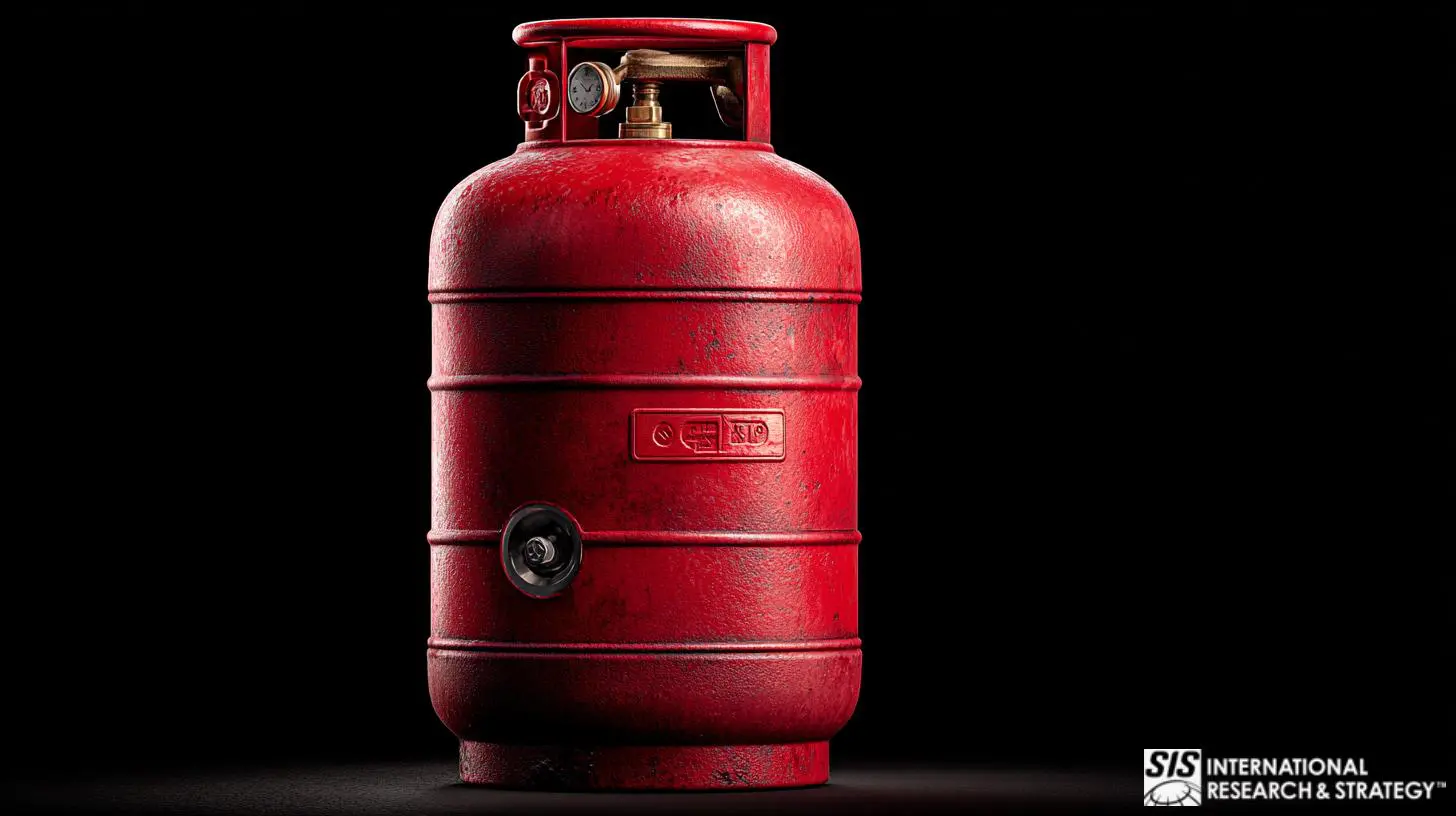
SIS International conducts acetylene market research through B2B expert interviews with fill plant operators, distributor principals, and end-user procurement leads, paired with competitive intelligence on regional concentration and market entry assessments for buyers evaluating geographic expansion or backward integration. Engagements typically address three questions: where is unserved or underserved demand, which suppliers are operationally vulnerable, and what contract structures protect margin through feedstock cycles.
Across four decades of industrial gas and specialty chemicals work in 135 countries, the pattern holds. Acetylene rewards operators who treat geography, purity tier, and contract architecture as three separate decisions rather than one.
Key Questions

Q: What is acetylene market research?
Acetylene market research is the structured analysis of supply, demand, distribution economics, and competitive concentration across welding-grade, chemical-grade, and electronics-grade acetylene segments at the regional and metropolitan level.
Q: Why does acetylene require specialized research compared to other industrial gases?
Acetylene cannot be liquefied or pipelined at industrial scale, which limits distribution to roughly 250 to 350 miles from a fill plant and produces local supplier concentration that national data sets miss entirely.
Q: Which acetylene segments offer the strongest margin opportunity?
Chemical-grade acetylene for 1,4-butanediol, VAM, and acetylene black, along with electronics-grade supply for semiconductor and nanomaterial applications, command the highest pricing power and the longest contract durations.
Q: How should procurement structure acetylene contracts?
Separate molecule pricing from cylinder rental and demurrage, index feedstock cost to calcium carbide benchmarks, and segment internal demand by purity and velocity before tendering.
Q: What drives consolidation in the acetylene supplier base?
Generational ownership transitions among independent regional distributors, capital intensity of fill plant safety upgrades, and rollup strategies from the four largest industrial gas majors.
SIS 인터내셔널 소개
SIS 국제 정량적, 정성적, 전략 연구를 제공합니다. 우리는 의사결정을 위한 데이터, 도구, 전략, 보고서 및 통찰력을 제공합니다. 또한 인터뷰, 설문 조사, 포커스 그룹, 기타 시장 조사 방법 및 접근 방식을 수행합니다. 문의하기 다음 시장 조사 프로젝트를 위해.

 KO
KO  EN
EN  AR
AR  ZH
ZH  ZH_HK
ZH_HK  NL
NL  FR
FR  DE
DE  IT
IT  JA
JA  PL
PL  PT
PT  ES
ES