
냉장고 시장 조사
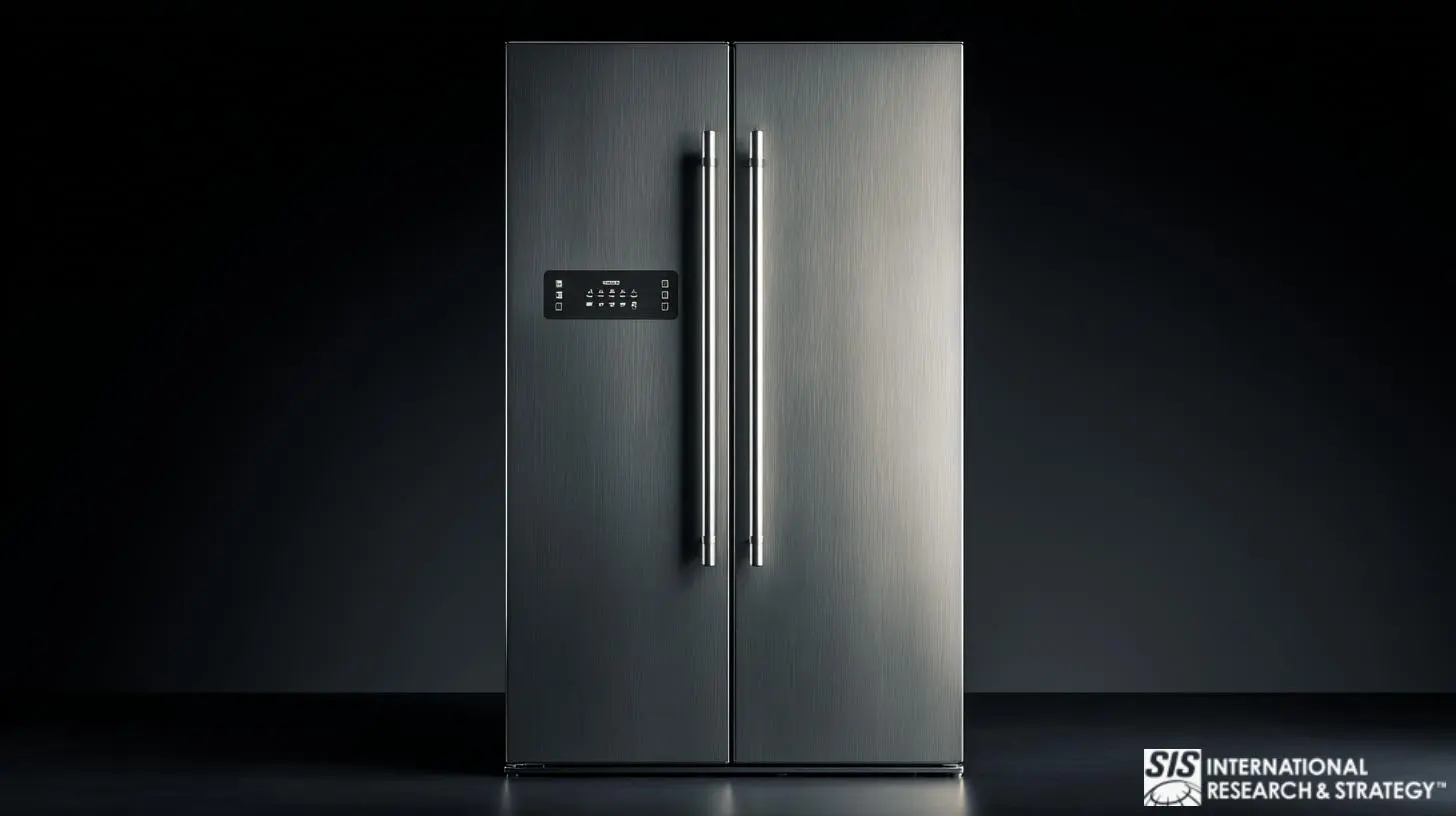
전 세계적으로 냉장고에 대한 수요가 지속적으로 증가함에 따라 냉장고도 증가하고 있습니다. 따라서 이 시장의 역학과 추세를 이해하는 것이 점점 더 중요해지고 있습니다. 냉장고 시장 조사는 기업에 귀중한 통찰력을 제공하여 이러한 경쟁 환경에서 올바른 결정을 내리고 목표 전략을 개발하는 데 도움이 됩니다.
냉장고 시장조사란?
냉장고 시장 조사는 냉장고 산업에 대한 특정 데이터를 획득, 평가 및 해석하는 체계적인 프로세스입니다. 이는 기업, 투자자 및 이해관계자에게 현재 시장 환경을 이해하고 추세와 기회를 식별하며 미래 성장과 발전을 예측할 수 있는 귀중한 통찰력을 제공합니다.
Refrigerator Market Research: How Leading Manufacturers Win the Next Decade
Refrigerator market research has shifted from category sizing to a deeper read on energy regulation, refrigerant transitions, and the connected home. The brands gaining share are the ones treating the appliance as a platform, not a box.
The competitive set has widened. Samsung and LG continue to push smart features and inverter compressors. Haier, through GE Appliances, has rebuilt premium positioning in North America. Bosch and Liebherr defend Europe on energy efficiency. Midea and Hisense compete aggressively on cost-engineered platforms. Whirlpool is rationalizing SKUs to protect margin against private label pressure from retailers like Costco and Home Depot.
The VP-level question is no longer “how big is the category.” It is which sub-segments, channels, and feature stacks will compound margin while regulation, refrigerant chemistry, and demand patterns reset.
What Refrigerator Market Research Now Has to Answer
Three forces are rewriting the bill of materials and the buyer journey at once.
First, refrigerant transition. The phase-down of HFCs under the Kigali Amendment and the EU F-gas regulation is pushing manufacturers toward R-600a (isobutane) and low-GWP blends. This changes compressor sourcing, insulation foam chemistry, and warranty exposure. Refrigerator market research that ignores refrigerant roadmap risk understates total cost of ownership by a meaningful margin.
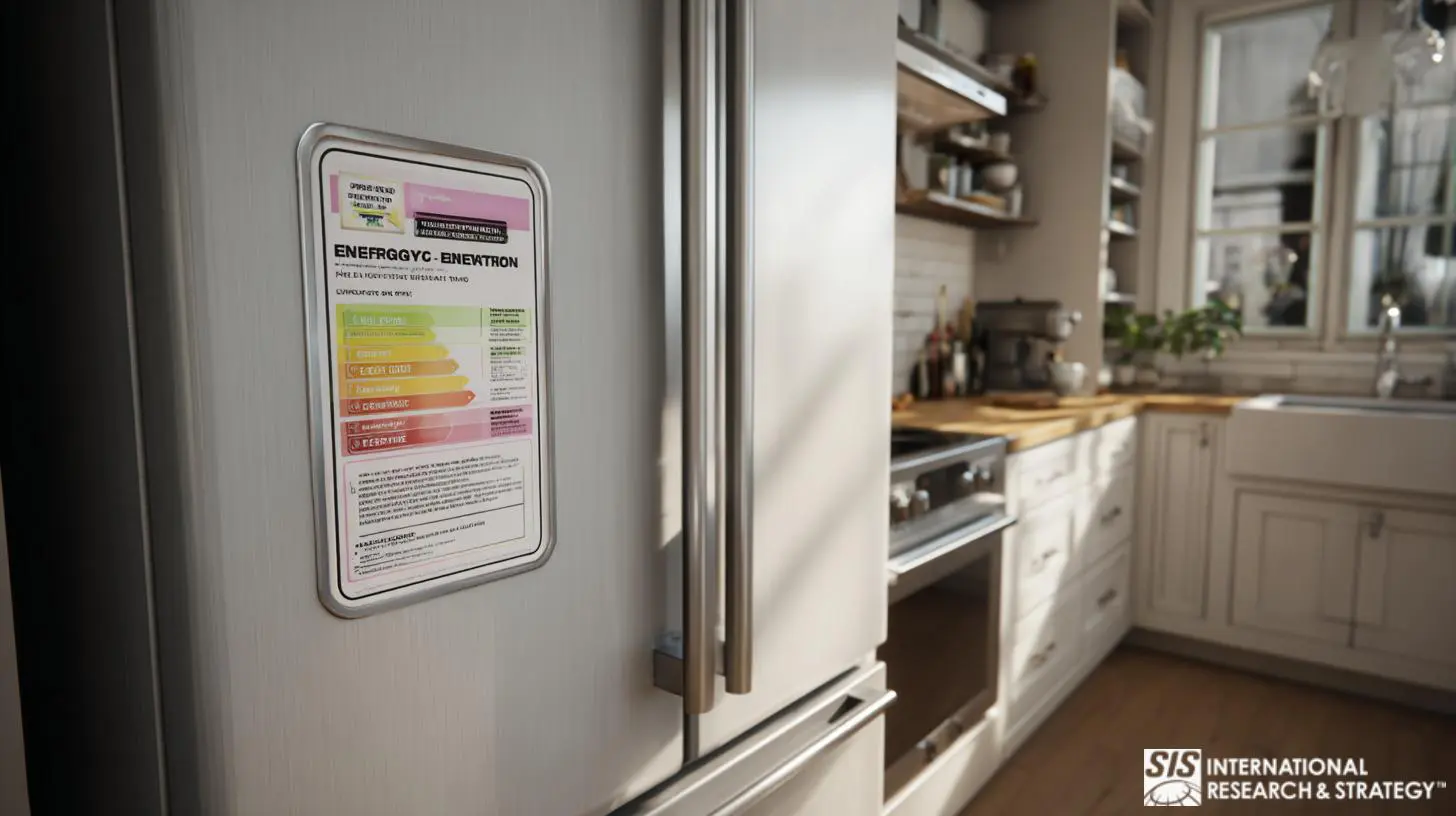
Second, energy labeling. The rescaled EU energy label and the U.S. DOE efficiency standards have compressed the visual difference between mid-tier and premium SKUs at retail. Shoppers now read kWh per year alongside price. The label is doing work the salesperson used to do.
Third, connectivity economics. Wi-Fi modules, inventory cameras, and Matter-compatible controls add unit cost. They also unlock aftermarket revenue through filter subscriptions, extended warranties, and consumables. The installed base is becoming a recurring revenue asset.
Where the Margin Pools Are Moving
The flat panel of the door is no longer the differentiator. The margin is migrating to four places.
Built-in and column refrigeration. Sub-Zero, Thermador, Miele, and Liebherr command price points two to four times the freestanding average. Kitchen designers and luxury home builders specify these years before purchase, which means the buyer journey starts at the architect, not the showroom.
Commercial and light commercial. True, Hoshizaki, and Foster serve foodservice operators where uptime, not aesthetics, drives the purchase. Predictive maintenance sizing and installed base analytics determine aftermarket revenue strategy in this segment.
Compact and beverage centers. Wine columns, undercounter beverage units, and outdoor kitchen refrigeration carry premium gross margin and lower competitive density.
Emerging market mid-tier. Godrej, Voltas Beko, and local Chinese brands are taking share in India, Southeast Asia, and Africa with feature-stripped, voltage-stabilized units engineered for grid volatility.
What Effective Refrigerator Market Research Looks Like
The studies that move investment decisions blend four methodologies. Each answers a question the others cannot.
According to SIS International Research, OEM clients commissioning refrigerator studies increasingly request integrated designs that pair B2B expert interviews with kitchen designers, builders, and appliance retailers against quantitative shopper research at the point of sale. The disconnect between specifier preference and end-buyer behavior is where pricing power is won or lost.
Ethnographic research in the home reveals how families actually use the appliance. Door-opening frequency, shelf reconfiguration, and food waste patterns rarely match what consumers report in surveys. SIS has run in-home observation studies that surfaced feature requests no focus group produced.
Central location tests for door feel, ice dispenser sound, and interior lighting calibrate sensory cues that drive premium perception. Buyers cannot articulate why one unit feels more expensive. CLT design isolates the variable.
B2B expert interviews with appliance buyers at Best Buy, Lowe’s, and regional kitchen dealers map shelf space allocation logic and trade spend optimization. Retailer margin requirements often dictate which SKUs survive, regardless of consumer preference.
Competitive intelligence teardowns on competitor units expose bill of materials choices, supplier qualification decisions, and where rivals are protecting cost. This is the work that tells a CFO whether a price increase is defensible.
The SIS View on Where Differentiation Compounds
SIS International’s proprietary research across appliance categories indicates that brands winning the premium tier share three traits: they engage architects and kitchen designers two to three years before the purchase event, they treat the connected app as a customer relationship rather than a feature, and they price aftermarket consumables, water filters, air filters, and replacement shelving as a deliberate revenue line, not an afterthought.
The brands losing ground share a different pattern. They benchmark on spec sheets, compete on door finish, and treat the connected module as a cost line to defend. This is the conventional approach. It loses against competitors who view the refrigerator as a ten-year customer relationship.
The SIS Refrigerator Opportunity Matrix
A frame for prioritizing where to invest research and product spend.
| Segment | Margin Pool | Research Priority | Buyer Influence Point |
|---|---|---|---|
| Built-in / column | High | Designer and architect interviews | 2-3 years pre-purchase |
| Premium freestanding | Compressing | Sensory CLT and shopper journey | Showroom and online |
| Mid-tier connected | Stable, expanding via aftermarket | Ethnographic and app usage analytics | Post-purchase year one |
| Light commercial | High via service contracts | Operator interviews and TCO modeling | Procurement and facilities |
| Emerging market mid-tier | Volume-driven | Distributor and retailer research | Local channel partner |
Source: SIS International Research
Regional Read

North America is consolidating around four manufacturer groups, with private label pressure from retailers and a slow but real shift toward induction-friendly kitchen packages that include refrigeration as a bundled sale. Europe is regulation-led, with energy label rescaling and refrigerant rules favoring brands with deeper compressor IP. Asia-Pacific is bifurcating between Japanese and Korean premium and Chinese cost leaders. Latin America and Africa reward brands that engineer for grid instability and informal retail channels.
In structured expert interviews conducted by SIS with senior appliance executives across North America, Europe, and Asia, the consistent theme has been that energy efficiency claims are converging at retail, which moves the differentiation contest to interior configurability, noise, and connected services.
What This Means for the Investment Thesis
The category is not commoditizing. It is restratifying. The premium tier is widening its lead through specification channels and aftermarket revenue. The mid-tier is being squeezed between private label and connected mid-tier from emerging market entrants. The commercial segment is undermonetized in service contracts.
Refrigerator market research that combines ethnographic depth, B2B expert interviews up the specification chain, and competitive teardown rigor gives leadership teams the read they need to allocate capital. The shape of the next decade favors manufacturers who treat the appliance as the start of a customer relationship rather than the end of a transaction.
SIS 인터내셔널 소개
SIS 국제 정량적, 정성적, 전략 연구를 제공합니다. 우리는 의사결정을 위한 데이터, 도구, 전략, 보고서 및 통찰력을 제공합니다. 또한 인터뷰, 설문 조사, 포커스 그룹, 기타 시장 조사 방법 및 접근 방식을 수행합니다. 문의하기 다음 시장 조사 프로젝트를 위해.

 KO
KO  EN
EN  AR
AR  ZH
ZH  ZH_HK
ZH_HK  NL
NL  FR
FR  DE
DE  IT
IT  JA
JA  PL
PL  PT
PT  ES
ES