
Best Cities for Real Estate Investment in Saudi Arabia
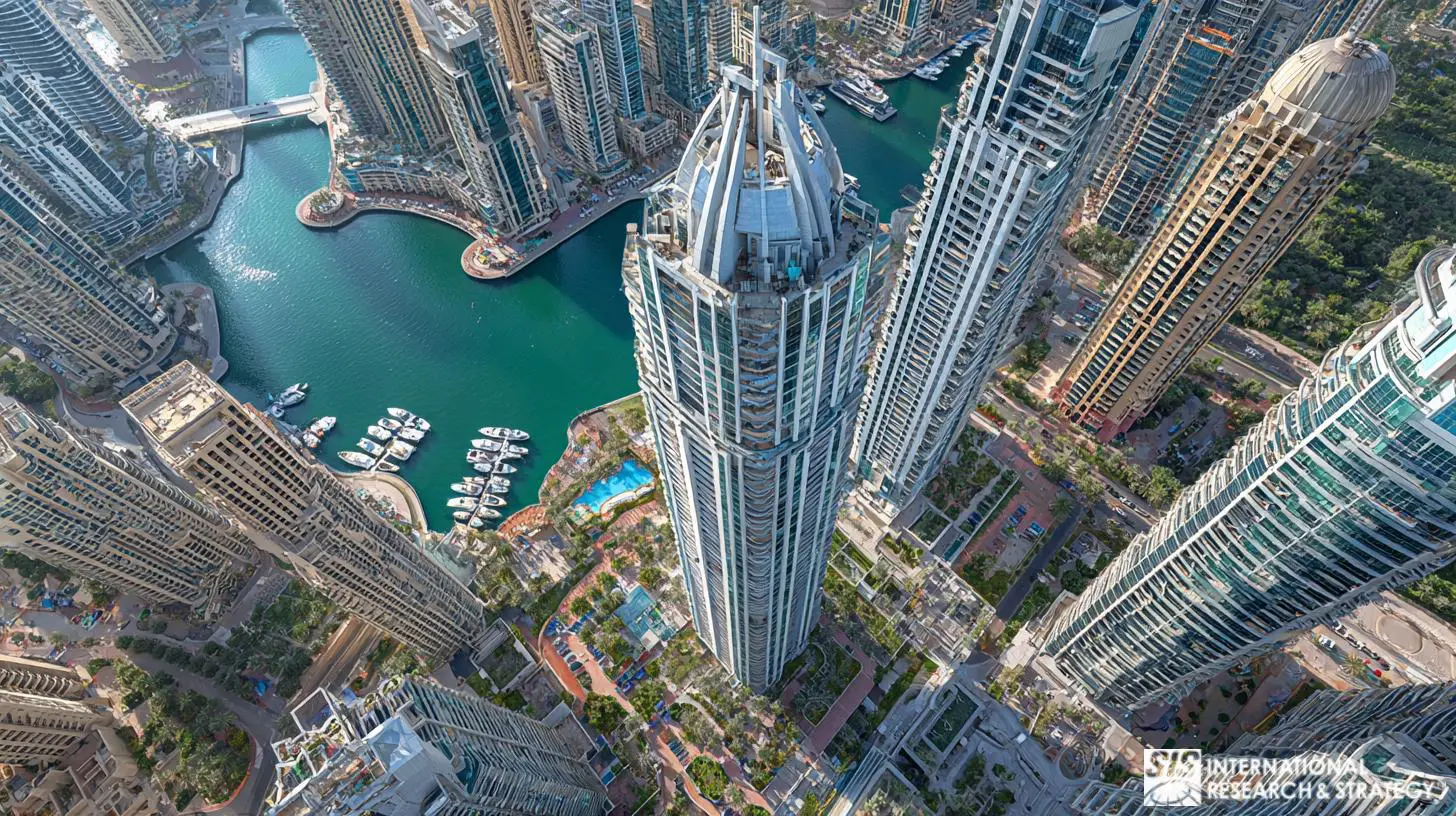
Saudi Arabia is no longer just an oil play. While everyone’s obsessing over which tech stock might give them a measly 15% return this year, savvy investors are quietly positioning themselves in what might be the most underrated real estate market on the planet.
The Kingdom’s Vision 2030 is reshaping entire cities at a pace that makes New York’s development look glacial by comparison. We’re talking about $1.1 TRILLION in giga-projects. That’s not millions, not billions—but TRILLIONS with a capital T.
Table of Contents
✅ Listen to this PODCAST EPISODE here:
Best Cities for Real Estate Investment in Saudi Arabia
Saudi Arabia’s real estate market is undergoing the largest structural repricing in the Gulf. Vision 2030 has shifted capital flows from sovereign-led megaprojects toward income-producing assets, and the cities absorbing that capital are not the ones most foreign investors expect.
For VP-level decision makers evaluating market entry, the question is no longer whether to enter the Kingdom. It is which urban submarkets offer the cleanest path from entitlement to stabilized yield. The best cities for real estate investment in Saudi Arabia separate themselves on three variables: regulatory clarity for foreign ownership, demand depth from non-oil economic activity, and the absorption rate forecasting curves that determine when supply turns from scarce to saturated.
Riyadh Leads on Cap Rate Compression and Institutional Depth
Riyadh is the deepest institutional market in the Kingdom and the clearest beneficiary of the Regional Headquarters Program, which requires multinationals to base their MENA HQs in the capital to retain government contracts. The mandate has pulled firms including PepsiCo, Bechtel, Northern Trust, and PwC into Grade A office leasing, tightening vacancy in the King Abdullah Financial District and along Olaya.
Cap rate compression analysis across prime Riyadh office assets shows yields tightening below historical Gulf averages, with build-to-core development pipelines from PIF-backed Roshn and ROSHN Group’s residential arm reshaping the northern corridor. Highest-and-best-use analysis on undeveloped parcels inside the Riyadh ring road increasingly favors mixed-use over single-asset towers, driven by Diriyah Gate and New Murabba demand spillover.
SIS International Research’s expert interviews with senior real estate executives operating in Saudi Arabia indicate that institutional capital is prioritizing Riyadh submarkets where entitlement risk assessment can be completed inside twelve months, a threshold that excludes most secondary cities.
Jeddah Offers Repositioning Plays on Aging Stock
Jeddah’s investment thesis is different. The city carries a deeper inventory of aging Class B and C assets along Tahlia and the Corniche, creating value-add opportunities that Riyadh’s newer building stock does not offer. Rent roll benchmarking against comparable Gulf coastal markets shows Jeddah trading at a discount to Dubai Marina and Doha West Bay on a per-square-meter basis, with NOI waterfall analysis revealing meaningful upside on capex-led repositioning.
The Red Sea Project and AMAALA tourism corridors north of the city are pulling hospitality capital into Jeddah as the gateway airport. Build-to-rent feasibility studies on residential nodes near King Abdulaziz International Airport benefit from the Hajj and Umrah pilgrim flow, which the Pilgrim Experience Program is structurally expanding. Ground lease structuring with Awqaf-controlled parcels remains the dominant land assembly mechanism, and investors comfortable with that structure access pricing that fee-simple buyers cannot.
NEOM and the Special Zones Reset the Risk Framework
NEOM, Qiddiya, and the Red Sea Development Company operate under separate regulatory regimes from the rest of the Kingdom. Each has its own commercial code, dispute resolution framework, and foreign ownership rules. For institutional investors, this is the most important and least understood feature of the Saudi market.
Development pro forma stress testing inside these zones must account for two scenarios the standard Saudi pro forma does not: phased infrastructure delivery risk and tenant covenant strength when the anchor tenant is the zone authority itself. Residual land value calculations inside NEOM’s regions, including OXAGON for industrial and TROJENA for mountain tourism, depend heavily on the timing of utility tie-in commitments. SIS International’s competitive intelligence work across Gulf giga-project supply chains shows that operators with prior experience in Abu Dhabi’s free zones and Egypt’s NAC are pricing zone risk more accurately than first-time entrants, who consistently underestimate phasing slippage.
Dammam and the Eastern Province Capture Industrial Demand

Dammam, Al Khobar, and Jubail form the industrial spine of the Kingdom. The Eastern Province captures Aramco’s downstream expansion, the King Salman Energy Park (SPARK), and the petrochemical cluster anchored by SABIC. For logistics and industrial investors, this geography offers the cleanest demand signal in the country.
SKU velocity analysis at distribution centers serving the GCC eastern corridor shows Dammam outperforming Jeddah on throughput per square meter, driven by proximity to King Fahd Causeway and Bahrain transshipment. Cold chain integrity audit work for pharmaceutical and food importers consistently identifies Dammam as the lowest-cost cold storage market in the Kingdom. Cap rates on stabilized logistics assets in the Eastern Province trade wider than Riyadh, offering a yield premium that compensates for tenant concentration risk in oil-and-gas adjacent industries.
Madinah and Makkah Anchor the Pilgrimage Economy
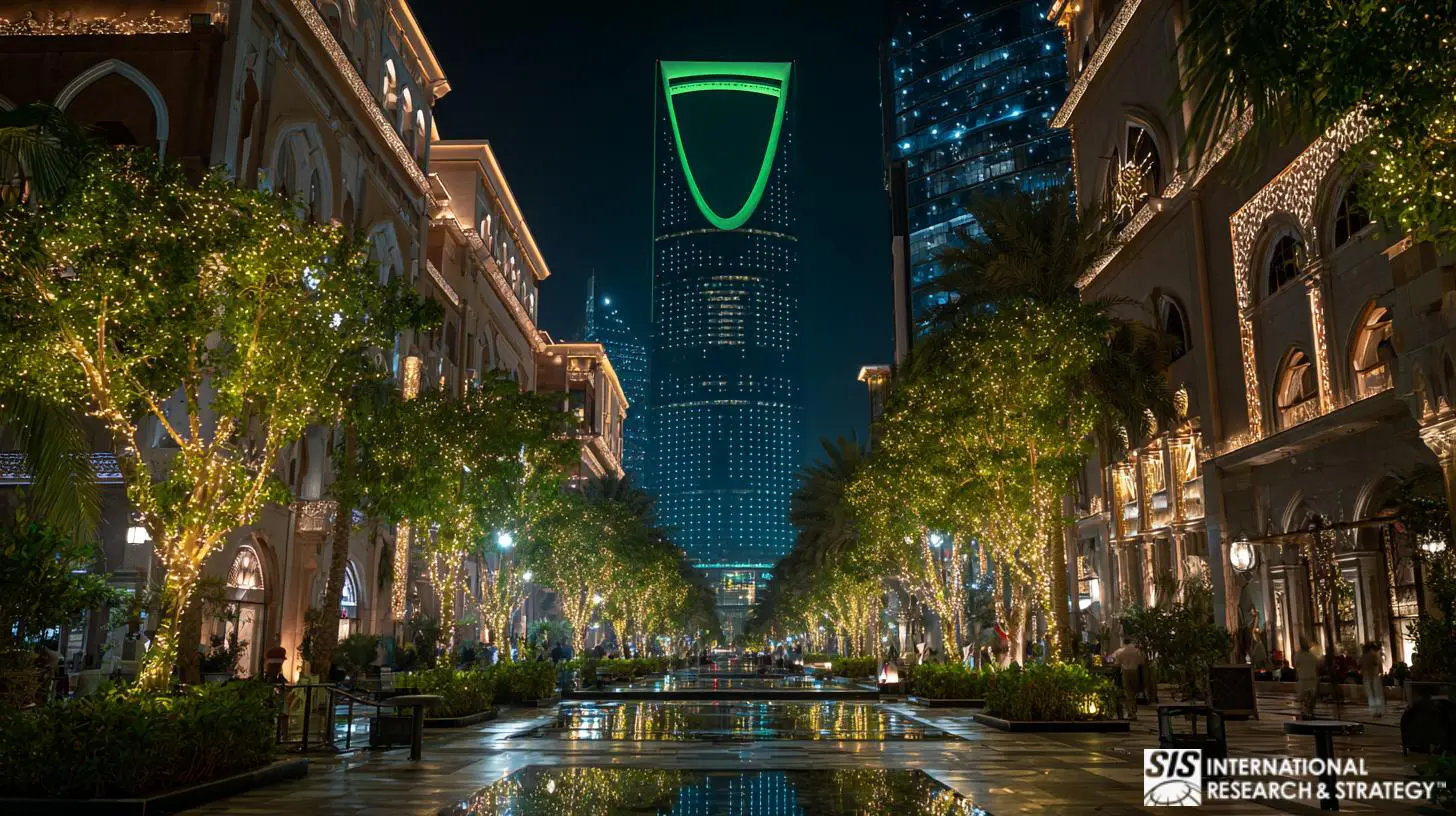
The holy cities operate on a demand model unlike any other real estate market globally. Hospitality assets within walking distance of the Haram in Makkah trade at occupancy rates that defy normal cyclicality, and Madinah is following a similar pattern as Vision 2030 expands annual Umrah capacity toward 30 million visitors.
Foreign ownership remains restricted in both cities, which structurally limits institutional foreign capital and protects existing operator margins. Mixed-use tenant mix optimization in Makkah’s Jabal Omar and Abraj Kudai districts favors branded residences and serviced apartments over traditional hotel keys, reflecting pilgrim length-of-stay patterns that hotel operators familiar with Western leisure markets routinely misread.
The SIS City Selection Framework
For Fortune 500 real estate teams evaluating Saudi entry, city selection follows four diligence axes:
| Axis | Riyadh | Jeddah | Dammam | NEOM Zones |
|---|---|---|---|---|
| Foreign ownership clarity | High | High | High | Zone-specific |
| Entitlement timeline | 9-14 months | 12-18 months | 10-15 months | Highly variable |
| Yield profile | Compressed | Value-add | Premium | Development |
| Demand driver | RHQ mandate | Tourism, pilgrimage | Industrial, energy | Greenfield |
Source: SIS International Research
What Separates Successful Entrants

The institutional investors performing best in Saudi real estate are the ones treating the Kingdom as four distinct markets, not one. They build separate underwriting models for each city, retain local legal counsel for entitlement risk assessment in each emirate, and stage capital deployment in line with the absorption rate forecasting specific to each submarket.
SIS International’s market entry assessment work across Gulf real estate confirms that the entrants achieving fastest stabilization are those who complete primary due diligence with local brokers, end-tenants, and municipal authorities before committing to a city, rather than relying on regional reports that aggregate Saudi data into a single national figure.
The best cities for real estate investment in Saudi Arabia reward investors who price the Kingdom’s heterogeneity correctly. Riyadh, Jeddah, Dammam, and the special zones each demand a different playbook, and the firms building those playbooks now will hold the cost-basis advantage when the next supply cycle prints.
SIS 인터내셔널 소개
SIS 국제 정량적, 정성적, 전략 연구를 제공합니다. 우리는 의사결정을 위한 데이터, 도구, 전략, 보고서 및 통찰력을 제공합니다. 또한 인터뷰, 설문 조사, 포커스 그룹, 기타 시장 조사 방법 및 접근 방식을 수행합니다. 문의하기 다음 시장 조사 프로젝트를 위해.

 KO
KO  EN
EN  AR
AR  ZH
ZH  ZH_HK
ZH_HK  NL
NL  FR
FR  DE
DE  IT
IT  JA
JA  PL
PL  PT
PT  ES
ES