
Conseil en automatisation des ventes et intelligence artificielle
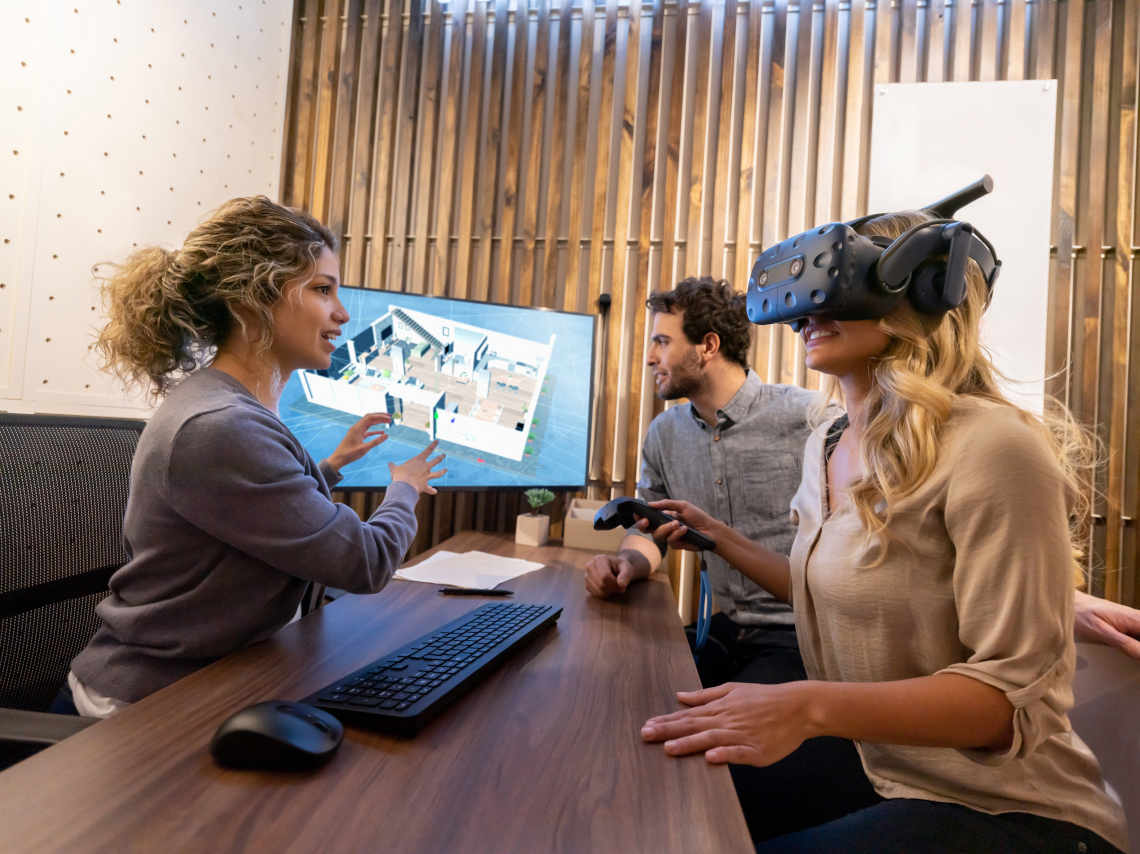
Le conseil en automatisation des ventes et en intelligence artificielle n'est plus un concept futuriste, c'est un impératif stratégique dans le monde des affaires en évolution rapide d'aujourd'hui. Cette intégration de l’IA de pointe dans les processus de vente révolutionne la manière dont les entreprises interagissent avec leurs clients, gèrent leurs pipelines de ventes et, à terme, génèrent une croissance des revenus.
Le rôle critique du conseil en automatisation des ventes et en intelligence artificielle
Le conseil en automatisation des ventes et en intelligence artificielle aide les entreprises à automatiser les tâches de routine telles que la saisie des données, le suivi des prospects et la communication avec les clients, permettant ainsi aux professionnels de la vente de se concentrer sur des aspects plus stratégiques de leur rôle.
Le rôle d’un cabinet de conseil est d’adapter ces solutions technologiques aux besoins et contextes uniques des entreprises. Ils s'efforcent d'aligner les capacités des outils d'IA et d'automatisation avec les objectifs, les défis et la dynamique client spécifiques de chaque entreprise.
Pourquoi les entreprises ont-elles besoin de conseils en automatisation des ventes et en intelligence artificielle ?
Les clients d'aujourd'hui s'attendent à des interactions personnalisées, efficaces et réactives. L'automatisation des ventes et le conseil en IA permettent aux entreprises de répondre à ces attentes en permettant une communication personnalisée à grande échelle, des réponses rapides et des informations prédictives sur les besoins et les préférences des clients.
Deuxièmement, le volume de données que les entreprises doivent gérer a augmenté de façon exponentielle. Les systèmes d'automatisation des ventes organisent et traitent efficacement les données, fournissant aux équipes commerciales des informations exploitables. L’intelligence artificielle va encore plus loin en analysant les modèles et les tendances des données, offrant ainsi des informations prédictives et des recommandations.
Les entreprises doivent se démarquer non seulement par ce qu’elles vendent, mais aussi par la manière dont elles le font. L'automatisation des ventes et le conseil en IA fournissent des outils pour une planification des ventes plus stratégique, un marketing ciblé et une gestion efficace des leads, donnant aux entreprises un avantage concurrentiel.
Les principaux avantages du conseil en automatisation des ventes et en intelligence artificielle
Les avantages de l’intégration de l’automatisation des ventes et de l’intelligence artificielle dans les processus métier sont nombreux et transformateurs. En tirant parti de ces technologies grâce à des conseils d’experts, les entreprises peuvent réaliser des améliorations remarquables en termes d’efficience, d’efficacité et de performances commerciales globales.
- Personnalisation à grande échelle : L'un des avantages les plus remarquables de l'automatisation des ventes et du conseil en IA est la possibilité de mettre en œuvre des systèmes offrant des expériences client personnalisées. L’IA peut générer des recommandations de produits, du contenu et une communication personnalisés, améliorant ainsi l’engagement et la satisfaction des clients.
- Productivité commerciale accrue : Les outils d'automatisation rationalisent les processus de vente, réduisant la durée du cycle de vente et augmentant la productivité globale des équipes commerciales. Les informations basées sur l'IA aident également à hiérarchiser les tâches et à gérer le temps plus efficacement.
- Évolutivité : Les systèmes d'automatisation des ventes et d'IA peuvent facilement évoluer à mesure que l'entreprise se développe, prenant en charge des volumes croissants d'activités de vente et de données sans augmentation proportionnelle des ressources ou des coûts.
Quand effectuer des conseils en automatisation des ventes et en intelligence artificielle
Déterminer le bon moment pour effectuer l’automatisation des ventes et le conseil en IA est crucial pour maximiser ses avantages et garantir une intégration fluide dans vos processus métier. Plusieurs indicateurs clés suggèrent qu’il est temps pour une entreprise d’envisager cette démarche stratégique :
- Inefficacité dans la gestion des leads : La difficulté à suivre et à entretenir efficacement les prospects est un autre signe. L'IA et l'automatisation peuvent améliorer la gestion des leads en automatisant les suivis et en segmentant les leads en fonction de leur comportement et de leurs préférences.
- Stagnation de la croissance des ventes : Si la croissance des ventes ne suit pas les références du secteur, il est peut-être temps de tirer parti de l’automatisation des ventes et du conseil en intelligence artificielle pour obtenir de nouvelles stratégies d’engagement client et de pénétration du marché.
- Défis de la prévision des ventes : La difficulté de prévoir avec précision les ventes peut être résolue grâce à l'analyse prédictive de l'IA, qui offre des prévisions plus précises basées sur une analyse complète des données.
- Défis de mise à l’échelle : Pour les entreprises qui cherchent à se développer, les processus de vente manuels peuvent devenir un goulot d'étranglement. Par conséquent, le conseil en automatisation des ventes et en intelligence artificielle peut fournir des solutions évolutives qui évoluent avec l’entreprise.
- Pression concurrentielle : Si les concurrents exploitent ces technologies et prennent l’avantage, cela indique clairement qu’il est temps d’adopter l’automatisation des ventes et l’IA pour rester compétitifs.
Conseil en Automatisation des Ventes et Intelligence Artificielle : Facteur de Succès
Le succès de l’intégration de l’automatisation des ventes et de l’intelligence artificielle dans une entreprise dépend de plusieurs facteurs clés. Comprendre et traiter ces éléments peut améliorer considérablement l’efficacité du processus de conseil et garantir que les solutions mises en œuvre produisent les résultats souhaités.
- Objectifs et stratégie clairs : Le succès commence par une compréhension claire de ce que l’entreprise vise à réaliser grâce à l’automatisation des ventes et au conseil en intelligence artificielle. La définition d'objectifs spécifiques et mesurables garantit que le processus de conseil est ciblé et aligné sur la stratégie globale de l'entreprise.
- Personnalisation aux besoins de l'entreprise : Le conseil en automatisation des ventes et en intelligence artificielle se concentre sur la personnalisation des solutions en fonction des besoins, des processus et de la dynamique client uniques de l'entreprise. Une approche universelle est rarement efficace ; la personnalisation est la clé.
- Engagement et formation des employés : Le succès de toute mise en œuvre d’une nouvelle technologie dépend des personnes qui l’utilisent. Impliquer les employés dès le début du processus, comprendre leurs défis et fournir une formation adéquate sont essentiels pour une adoption et une utilisation efficace.
- Intégration avec les systèmes existants : Les nouveaux outils doivent s'intégrer parfaitement à l'infrastructure informatique et aux processus de vente existants. Une intégration adéquate garantit une perturbation minimale et maximise l’utilité des anciens et des nouveaux systèmes.
- Évolutivité et pérennité : Les solutions doivent non seulement répondre aux besoins actuels, mais également être évolutives et adaptables à la croissance future de l'entreprise et aux évolutions du marché.
À quoi s'attendre du conseil en automatisation des ventes et en intelligence artificielle
Lorsqu'elles s'engagent dans le conseil en automatisation des ventes et en intelligence artificielle, les entreprises peuvent s'attendre à un processus complet qui transforme leur approche et leurs capacités de vente, telles que :
- Évaluation et analyse initiale : Le processus de conseil commence généralement par une évaluation approfondie des processus de vente actuels, des technologies utilisées et des objectifs commerciaux globaux. Cette étape est cruciale pour comprendre les besoins et enjeux spécifiques de l’entreprise.
- Planification stratégique : Les consultants élaboreront un plan stratégique décrivant comment l'automatisation des ventes et l'IA peuvent être utilisées pour atteindre les objectifs de vente de l'entreprise. Ce plan comprend des recommandations sur les types de technologies et d’outils qui seraient les plus bénéfiques.
- Formation et soutien : Pour garantir une adoption réussie, les entreprises peuvent s’attendre à une formation approfondie de leurs équipes commerciales sur la façon d’utiliser efficacement les nouveaux systèmes. Un soutien continu est également fourni pour résoudre tout problème ou question qui survient pendant et après la mise en œuvre.
- Surveillance et optimisation des performances : Les consultants établiront des mesures et des KPI pour surveiller les performances des solutions mises en œuvre. Des examens et des optimisations réguliers sont effectués pour garantir que les systèmes fournissent les résultats souhaités et sont ajustés si nécessaire en fonction des données de performance.
Technologies et outils de conseil en automatisation des ventes et intelligence artificielle
Dans le domaine de l’automatisation des ventes et du conseil en intelligence artificielle, il existe un large éventail de technologies et d’outils de pointe qui améliorent les processus de vente et l’engagement client. Comprendre ces technologies est crucial pour apprécier comment elles peuvent transformer les stratégies et les opérations de vente.
- Systèmes de gestion de la relation client (CRM) : Les plateformes CRM avancées sont des outils fondamentaux dans l’automatisation des ventes. Ils gèrent les données clients, suivent les interactions et automatisent les tâches de vente clés telles que la communication par e-mail, le suivi des prospects et la planification du suivi.
- Chatbots et assistants virtuels : Les chatbots et les assistants virtuels basés sur l'IA peuvent traiter les demandes initiales des clients, fournir des informations sur les produits et aider à la qualification des leads, libérant ainsi les commerciaux pour des tâches plus complexes.
- Outils d'automatisation des e-mails : Ces outils automatisent les campagnes par e-mail en fonction du comportement et des préférences des clients. Ils peuvent personnaliser les messages, planifier des e-mails et suivre les mesures d'engagement telles que les taux d'ouverture et les clics.
- Analyse prédictive des ventes : Cette technologie utilise l’IA pour prévoir les tendances futures des ventes sur la base de données historiques. Il aide à identifier les opportunités de vente potentielles et à optimiser les stratégies de tarification.
- Outils de veille commerciale : Ces outils rassemblent et analysent des données provenant de diverses sources externes pour fournir des informations sur les tendances du marché, les activités des concurrents et les prospects potentiels.
Opportunités de conseil en automatisation des ventes et en intelligence artificielle pour les entreprises
Les opportunités présentées par l’automatisation des ventes et le conseil en intelligence artificielle pour les entreprises sont vastes. Ainsi, l’adoption de ces technologies peut conduire à des progrès significatifs en termes d’efficacité et d’efficience des ventes, ouvrant de nouvelles voies de croissance et d’engagement client.
- Productivité et efficacité des ventes accrues : Grâce à l'automatisation du traitement des tâches répétitives, les équipes commerciales peuvent gérer leur temps plus efficacement, ce qui entraîne une productivité accrue et davantage d'opportunités de conclusion de contrats.
- Génération et qualification de leads améliorées : L'automatisation des ventes et le conseil en intelligence artificielle améliorent le processus d'identification et de qualification des leads, garantissant que les efforts de vente sont concentrés sur les prospects les plus prometteurs, améliorant ainsi les taux de conversion.
- Évolutivité des opérations commerciales : Le conseil en automatisation des ventes et en intelligence artificielle peut facilement évoluer avec l’entreprise, soutenant la croissance sans nécessiter une augmentation proportionnelle des ressources.
- Réduction des coûts et augmentation des revenus : En optimisant les processus de vente et en améliorant l'efficacité, les entreprises peuvent réduire leurs coûts opérationnels tout en augmentant leurs revenus grâce à des stratégies de vente plus efficaces.
- Pratiques de vente innovantes : L'adoption de l'automatisation des ventes et du conseil en intelligence artificielle place les entreprises à la pointe de l'innovation en matière de pratiques de vente, renforçant ainsi leur réputation d'organisations avant-gardistes et centrées sur le client.
Solutions SIS : Conseil en Automatisation des Ventes et Intelligence Artificielle
Nous proposons des solutions complètes aux entreprises cherchant à révolutionner leurs processus de vente grâce à l'intégration de technologies d'IA et d'automatisation de pointe. Nos services de conseil en automatisation des ventes et en intelligence artificielle sont conçus pour optimiser les pipelines de ventes, améliorer les interactions avec les clients et stimuler la croissance des revenus.
- Vision stratégique et solutions personnalisées : Nos consultants fournissent des informations stratégiques adaptées à vos objectifs commerciaux, à vos défis et à la dynamique de vos clients. Nous personnalisons les solutions d'IA et d'automatisation pour les aligner sur vos besoins uniques, garantissant ainsi une efficacité et un retour sur investissement maximum.
- Efficacité et productivité : En automatisant les tâches de routine telles que la saisie des données, le suivi des leads et la communication, nous aidons les équipes commerciales à se concentrer sur les activités à forte valeur ajoutée, ce qui entraîne une productivité accrue, des cycles de vente plus courts et un plus grand nombre de transactions conclues.
- Personnalisation à grande échelle : En tirant parti des informations basées sur l’IA, nous permettons des expériences client personnalisées à grande échelle. Nos solutions génèrent des recommandations de produits, du contenu et une communication personnalisés, améliorant ainsi l'engagement et la satisfaction des clients.
- Évolutivité et pérennité : Nos services de conseil fournissent des solutions évolutives qui évoluent avec votre entreprise, prenant en charge des volumes croissants d'activités de vente et de données sans augmentation proportionnelle des ressources ou des coûts. Nous veillons à ce que vos processus de vente restent adaptables aux futurs changements du marché.
- Formation et soutien : Nous proposons une formation complète à vos équipes commerciales sur la façon d’utiliser efficacement les nouveaux outils d’IA et d’automatisation. Notre assistance continue garantit une mise en œuvre fluide et répond à tous les problèmes ou questions qui surviennent pendant et après le déploiement.
- Surveillance et optimisation des performances : Nos consultants établissent des indicateurs clés et des KPI pour suivre les performances des solutions mises en œuvre. Nous effectuons régulièrement des examens et des optimisations pour nous assurer qu’ils fournissent les résultats souhaités et les ajustons en fonction des données de performance.
- Intégration avec les systèmes existants : Nous garantissons une intégration transparente des nouveaux outils avec votre infrastructure informatique et vos processus de vente existants. Cela minimise les perturbations et maximise l’utilité des anciens et des nouveaux systèmes, optimisant ainsi vos opérations de vente.
Nos relations avec des spécialistes du secteur, construites au cours des trois dernières décennies, permettent à SIS d'offrir une expertise et des connaissances approfondies en matière d'automatisation des ventes et de conseil en intelligence artificielle. Notre équipe stratégique rassemble les dernières avancées dans ces domaines, en collaborant étroitement avec nos bureaux locaux à l'étranger pour fournir des solutions sur mesure pour vos besoins commerciaux spécifiques.

 FR
FR  EN
EN  AR
AR  ZH
ZH  ZH_HK
ZH_HK  NL
NL  DE
DE  IT
IT  JA
JA  KO
KO  PL
PL  PT
PT  ES
ES