
Conseil en automatisation des produits de soins de la peau et de soins personnels et en intelligence artificielle
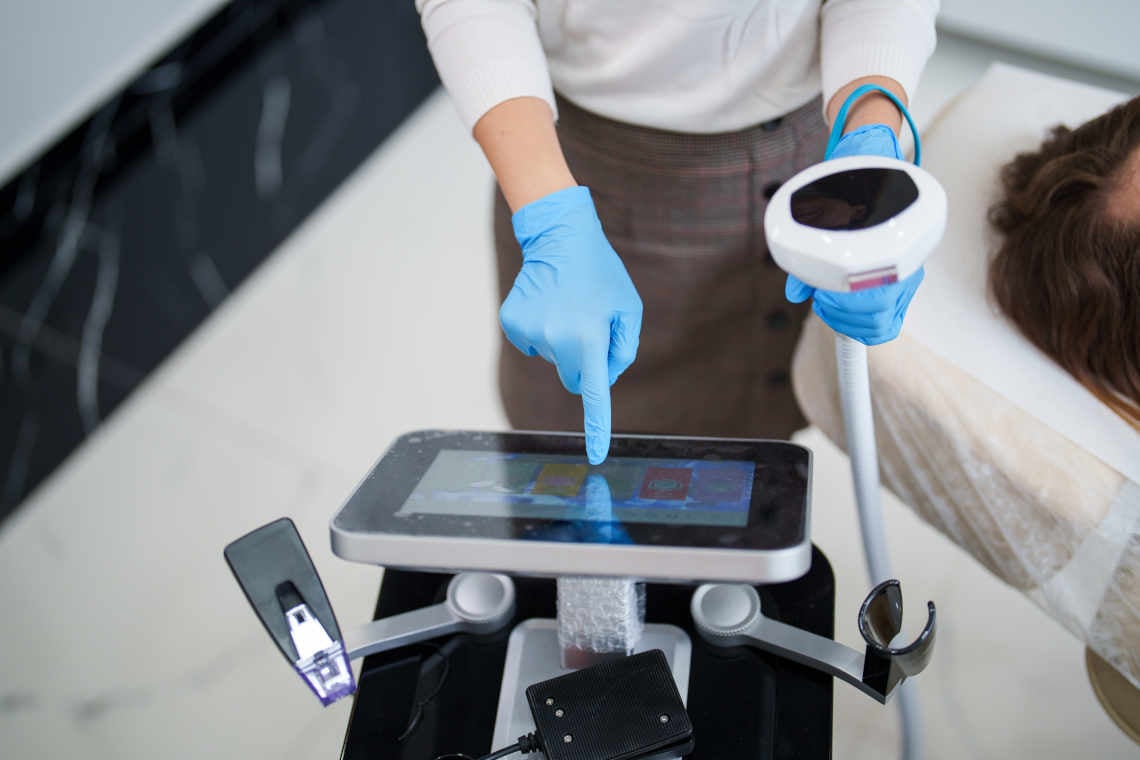
À mesure que les demandes des consommateurs évoluent et que la quête de soins de la peau personnalisés s'intensifie, l'intégration de l'IA et de l'automatisation est une stratégie essentielle qui propulse l'industrie vers un avenir où les produits sont profondément adaptés aux besoins et aux préférences de chacun… C'est pourquoi l'automatisation des produits de soins de la peau et de soins personnels et l'intelligence artificielle Intelligence Consulting apporte des solutions innovantes, efficaces et hautement personnalisées aux entreprises mondiales.
Quel est le rôle du conseil en intelligence artificielle dans l’automatisation des produits de soins de la peau et de soins personnels ?
Artificial Intelligence consulting in skincare and personal care product automation acts as a bridge between advanced AI technologies and the specific needs of these industries. Consultants develop customized AI solutions tailored to the specific challenges and goals of skincare and personal care businesses. This could involve creating algorithms for personalized product recommendations, automating manufacturing processes – or analyzing consumer data for insights.
Les consultants en IA aident également à exploiter et à analyser de grandes quantités de données – des commentaires des consommateurs aux données sur la santé de la peau – fournissant aux entreprises des informations exploitables pour le développement de produits et les stratégies marketing. De plus, les consultants en intelligence artificielle en matière de soins de la peau et d'automatisation des produits de soins personnels peuvent aider les entreprises à fournir des conseils personnalisés en matière de soins de la peau, des recommandations de produits et un support client.
Importance de l’automatisation des produits de soins de la peau et de soins personnels
L’un des aspects les plus critiques est la capacité à proposer des produits personnalisés aux consommateurs à grande échelle. L'automatisation, combinée aux connaissances de l'IA, permet la création de produits répondant aux préférences et aux besoins individuels, ce qui constitue une demande croissante sur le marché des soins de la peau et des soins personnels.
De plus, le conseil en intelligence artificielle dans l’automatisation des produits de soins de la peau et de soins personnels rationalise le processus de production, le rendant plus efficace et plus rentable. Il permet des cycles de production plus rapides, réduit les déchets et garantit une qualité constante des produits, ce qui est essentiel au maintien de la réputation de la marque et de la confiance des consommateurs.
Facteurs clés de succès dans le conseil en intelligence artificielle dans l'automatisation des produits de soins de la peau et de soins personnels
Pour que l’automatisation des produits de soins de la peau et de soins personnels et le conseil en IA réussissent, les entreprises doivent donner la priorité à certains facteurs clés – et voici un aperçu de ces facteurs de succès critiques :
- Qualité et exactitude des données : L’efficacité de l’IA dépend fortement de la qualité et de l’exactitude des données utilisées. Garantir l’accès à des données de haute qualité sur les préférences des consommateurs, les types de peau, les facteurs environnementaux, etc. est essentiel pour développer des modèles d’IA efficaces.
- Main-d'œuvre qualifiée et formation : Il est essentiel de disposer d’une main-d’œuvre qualifiée qui comprend les technologies d’IA et d’automatisation. Des programmes de formation et de développement continus sont nécessaires pour tenir le personnel informé des dernières avancées technologiques.
- Approche centrée sur le client : Une approche centrée sur le client en matière d'IA et d'automatisation garantit que les stratégies mises en œuvre conduisent à une satisfaction et une fidélité accrues des clients.
Résultats attendus de l'automatisation des produits de soins de la peau et des soins personnels et du conseil en intelligence artificielle
S'engager dans l'automatisation des produits de soins de la peau et de soins personnels et dans le conseil en intelligence artificielle peut apporter des changements perturbateurs aux entreprises de ce secteur. Les entreprises peuvent anticiper plusieurs résultats clés qui amélioreront leurs capacités opérationnelles et rehausseront leur positionnement sur le marché.
- Offres de produits personnalisées : Les informations basées sur l'IA permettent la création de produits de soins de la peau et de soins personnels hautement personnalisés, adaptés aux besoins et préférences individuels des consommateurs, améliorant ainsi la satisfaction et la fidélité des clients.
- Analyse des données et informations sur le marché améliorées : Le conseil en IA fournit des capacités avancées d’analyse de données, offrant des informations plus approfondies sur les tendances du marché, les comportements des consommateurs et les performances des produits. Ces informations sont cruciales pour la prise de décision stratégique et le développement de produits.
- Innovation de nouveaux produits : Les informations et l'automatisation basées sur l'IA ouvrent de nouvelles voies pour l'innovation de produits, permettant aux entreprises de développer des produits uniques qui répondent aux besoins émergents des consommateurs.
Tendances actuelles en matière d'automatisation des produits de soins de la peau et de soins personnels et de conseil en intelligence artificielle
Le secteur des soins de la peau et des soins personnels connaît un changement dynamique grâce à l’intégration de l’automatisation et de l’intelligence artificielle. Se tenir au courant des tendances actuelles est crucial pour que les entreprises de ce secteur restent compétitives et innovantes. Voici quelques-unes des principales tendances qui façonnent l’automatisation des produits de soins de la peau et de soins personnels et le conseil en IA :
- Pratiques durables et éthiques : L’IA et l’automatisation sont utilisées pour promouvoir la durabilité et les pratiques éthiques dans la formulation et la fabrication des produits. Cela inclut l’optimisation de l’utilisation des ressources, la réduction des déchets et la garantie d’un approvisionnement éthique en ingrédients.
- Appareils de soins de la peau intelligents : L’essor des appareils de soins de la peau intelligents, qui utilisent l’IA pour évaluer la santé de la peau et recommander des produits ou des traitements, constitue une tendance importante. Ces appareils sont de plus en plus populaires pour un usage domestique, offrant des conseils personnalisés en matière de soins de la peau.
- Interaction client améliorée avec l’IA : Les chatbots et les assistants virtuels basés sur l'IA sont de plus en plus sophistiqués, fournissant un service et des conseils clients personnalisés et améliorant l'expérience client globale.
- Analyse prédictive pour les tendances du marché : Les outils d'IA sont utilisés pour l'analyse prédictive, aidant les entreprises à anticiper les tendances du marché et les besoins des consommateurs. Cette prévoyance est inestimable pour le développement de produits et les stratégies de marketing.
- Processus de fabrication automatisés : L'automatisation des processus de fabrication est en hausse, améliorant l'efficacité et la cohérence de la production des produits. Cela inclut les processus automatisés de mélange, de remplissage et d’emballage.
Technologies et outils essentiels dans le domaine des soins de la peau et des soins personnels, automatisation des produits et conseil en intelligence artificielle
Dans le domaine de l’automatisation des produits de soins de la peau et de soins personnels et du conseil en intelligence artificielle, diverses technologies et outils sont utilisés pour révolutionner le développement de produits, la fabrication et l’engagement client. Voici un aperçu de quelques technologies et outils clés qui façonnent cette industrie :
- Outils de formulation basés sur l'IA : Utilisé pour créer des formulations de produits personnalisées en fonction des besoins et des préférences de chaque consommateur. Ils peuvent ajuster les formulations en fonction de facteurs tels que le type de peau, les allergies et les conditions environnementales.
- Lignes de production automatisées : Les technologies de robotique et d'automatisation rationalisent le processus de fabrication, améliorant ainsi l'efficacité, la cohérence et la sécurité de la production des produits.
- Traitement du langage naturel (NLP) : Employé dans des applications de service client, telles que les chatbots et les assistants virtuels, pour interagir avec les consommateurs, comprendre leurs besoins et fournir des conseils et des recommandations personnalisés.
- Appareils Internet des objets (IoT) : Dans la gestion de la fabrication et de la chaîne d'approvisionnement, les appareils IoT collectent et transmettent des données en temps réel, facilitant ainsi la gestion des stocks, le contrôle qualité et l'efficacité logistique.
- Applications d'analyse cutanée personnalisées : Tirant parti de l’IA pour l’analyse de la peau, ces applications fournissent aux consommateurs des conseils personnalisés en matière de soins de la peau et des recommandations de produits.
Opportunités et défis
L’intégration de l’intelligence artificielle et de l’automatisation dans le secteur des produits de soins de la peau et de soins personnels présente un ensemble unique d’opportunités et de défis. Les comprendre et les parcourir peuvent déterminer le succès des stratégies d’IA et d’automatisation dans ce secteur dynamique.
- Opportunités: Innovation de produits personnalisés : l'IA ouvre des opportunités pour créer des produits hautement personnalisés basés sur les données individuelles des consommateurs, répondant plus efficacement aux besoins spécifiques en matière de soins de la peau et de soins personnels.
- Expansion du marché et engagement des consommateurs : L'analyse avancée des données permet aux marques d'exploiter de nouveaux segments de marché et d'améliorer l'engagement des consommateurs grâce à des stratégies de marketing et de développement de produits ciblées.
- Informations basées sur les données : La capacité de collecter et d’analyser de grandes quantités de données sur les consommateurs offre des informations inestimables sur les comportements et les préférences des consommateurs, guidant ainsi des stratégies de développement de produits et de marketing plus efficaces.
- Défis: Confidentialité et sécurité des données : Gérer les données des consommateurs de manière responsable et garantir leur confidentialité et leur sécurité constituent un défi majeur, en particulier avec les préoccupations et les réglementations croissantes concernant la protection des données.
- Équilibrer la personnalisation et la normalisation : Bien que la personnalisation soit un avantage clé de l’IA, il peut être difficile de la concilier avec le besoin de standardisation et de cohérence des produits.
- Conformité réglementaire : Veiller à ce que les applications d’IA et d’automatisation soient conformes aux normes et réglementations du secteur, en particulier sur les différents marchés géographiques, est une tâche complexe.
Solutions SIS : Conseil en automatisation des produits de soins de la peau et de soins personnels et en intelligence artificielle
Nous fournissons des solutions de pointe pour révolutionner le développement, la fabrication et l’engagement des clients de produits de soins de la peau et de soins personnels. Nos chercheurs effectuent des analyses stratégiques pour transformer les informations en informations exploitables et vous aider à envisager l’automatisation des produits de soins de la peau et de soins personnels ainsi que le conseil en IA avec une vue complète du marché – et notre concentration sur l’analyse stratégique et les informations exploitables va au-delà des données et fournit des solutions sur mesure aux clients.
- Développement de produits personnalisés : En tirant parti des algorithmes d’IA, nous permettons aux entreprises de créer des produits de soins de la peau et de soins personnels hautement personnalisés, adaptés aux besoins et préférences individuels des consommateurs, améliorant ainsi la satisfaction et la fidélité des clients.
- Processus de fabrication rationalisés : Grâce aux technologies d'automatisation, nous optimisons les lignes de production, améliorant ainsi l'efficacité, la cohérence et la sécurité de la fabrication des produits, réduisant ainsi les coûts et améliorant la réputation de la marque.
- Analyse de données avancée : Nos analyses de données basées sur l'IA fournissent des informations approfondies sur les comportements des consommateurs, les tendances du marché et les performances des produits, guidant la prise de décision stratégique et stimulant l'innovation dans les stratégies de développement de produits et de marketing.
- Engagement centré sur le client : En utilisant des outils basés sur l'IA tels que des chatbots et des assistants virtuels, nous améliorons l'interaction client en fournissant des conseils personnalisés en matière de soins de la peau, des recommandations de produits et un support client, améliorant ainsi l'expérience client globale.
- Solutions de conformité réglementaire : Nous veillons à ce que les applications d’IA et d’automatisation soient conformes aux normes et réglementations du secteur, aidant ainsi les entreprises à naviguer dans des paysages réglementaires complexes sur différents marchés géographiques.
- Mesures de confidentialité et de sécurité des données : Nos solutions incluent des mesures robustes de confidentialité et de sécurité des données, garantissant la gestion responsable des données des consommateurs et le respect des réglementations en matière de protection des données.
- Formation et développement continu : Nous proposons des programmes de formation et de développement continus pour doter les entreprises des compétences et des connaissances nécessaires pour exploiter efficacement les technologies d'IA et d'automatisation, en les tenant au courant des dernières avancées dans le domaine.
Nos relations avec des spécialistes de l'industrie, nouées au cours des trois dernières décennies, permettent à SIS d'aller plus loin dans l'automatisation des produits de soins de la peau et de soins personnels et dans le conseil en intelligence artificielle. L'équipe stratégique de SIS rassemble les dernières nouveautés en matière d'automatisation des produits de soins de la peau et de soins personnels et de conseil en IA, en étroite collaboration avec nos bureaux locaux à l'étranger.

 FR
FR  EN
EN  AR
AR  ZH
ZH  ZH_HK
ZH_HK  NL
NL  DE
DE  IT
IT  JA
JA  KO
KO  PL
PL  PT
PT  ES
ES