
Veille concurrentielle à la vitesse de l'éclair pour les grandes et moyennes entreprises
SIS vous donne un accès instantané à des informations de marché en temps réel, issues de 40 ans de connaissances stratégiques et de 194 millions de contacts B2B et B2C vérifiés.


Ce que nous apportons à la table
Nous avons constitué une base de données vérifiée de plus de 150 millions d'adresses e-mail B2B et B2C. Vous bénéficiez ainsi d'un accès direct aux décideurs clés pour votre entreprise.
Voici ce que cela signifie pour vous :
🔹Ciblage de précision : Cibler les décideurs individuels (et pas seulement les entreprises)
🔹Informations en temps réel : Suivez l'évolution du marché en temps réel.
🔹Micro-segmentation : Trouvez exactement le public dont vous avez besoin
🔹Renseignements exploitables : Des données rapides et fiables conçues pour faire avancer votre stratégie
Pourquoi nous choisir ?
Découvrez comment nous nous comparons aux autres fournisseurs de renseignements et d'études de marché B2B
Toutes les plateformes d'intelligence B2B ne se valent pas. Si de nombreux fournisseurs se concentrent sur l'agrégation automatisée de données ou la prospection commerciale, SIS International Research propose une intelligence stratégique, vérifiée par des experts, forte de plus de 40 ans d'expérience en études de marché internationales.
✓
Disponible/Fort
◐
Limité/Partiel
✗
Non disponible/Faible
| Fonctionnalité | SIS International | Autres fournisseurs |
|---|---|---|
| Données de contact vérifiées par un humain | ✓ | ◐ |
| Recherche primaire personnalisée | ✓ | ◐ |
| Équipes de recherche sur le terrain (plus de 190 pays) | ✓ | ✗ |
| Recherche qualitative (entretiens, groupes de discussion) | ✓ | ◐ |
| Recherche quantitative et enquêtes | ✓ | ◐ |
| Conseil et analyse stratégiques | ✓ | ◐ |
| Développement d’une stratégie d’entrée sur le marché | ✓ | ◐ |
| Analyse de la veille concurrentielle | ✓ | ◐ |
| Service haut de gamme et équipes dédiées | ✓ | ◐ |
| Expertise des marchés émergents | ✓ | ◐ |
| Contexte culturel et du marché local | ✓ | ✗ |
| Soutien à la vérification préalable en matière de fusions et acquisitions | ✓ | ◐ |
| Segmentation et personas clients | ✓ | ◐ |
| Études de positionnement et de perception de la marque | ✓ | ◐ |
| Idéal pour | Décisions stratégiques et analyse approfondie du marché | Automatisation des ventes et accès aux bases de données |
| Cas d'utilisation principal | Entrée sur le marché, expansion, recherche stratégique | Génération de prospects et prospection commerciale |
Remarque importante : Cette comparaison reflète les capacités générales du secteur. Si de nombreuses plateformes d'intelligence B2B excellent dans la prospection commerciale et l'automatisation, SIS International Research se spécialise dans l'intelligence stratégique approfondie grâce à des études primaires personnalisées, des analyses d'experts et des données vérifiées par des humains – conçues pour les décisions commerciales à forts enjeux qui nécessitent un contexte culturel, une compréhension des nuances du marché et des recommandations stratégiques.
Pourquoi cela est important pour vous
Nous avons bâti notre entreprise autour d'une mission unique : vous fournir les informations précises et exploitables dont vous avez besoin pour prendre des décisions éclairées. Chaque donnée de notre base de données est vérifiée et prête à alimenter votre stratégie d'entrée sur le marché, d'expansion ou de compétitivité.
Notre plateforme génère de nouvelles perspectives à partir de données de marché en temps réel, suit les mouvements de la concurrence en temps réel et propose des stratégies de commercialisation pendant que vos concurrents planifient encore leurs réunions.

Pourquoi la vitesse compte plus que jamais
Notre plateforme d'IA surveille en permanence les signaux du marché, suit les mouvements de la concurrence et met à jour vos informations en temps réel.

De l'intelligence véritable, disponible dès maintenant
Des tableaux de bord en temps réel alimentés par des données de contact en direct, et non par des rapports archivés. Les meilleures études au monde sont inutiles si elles arrivent trop tard.
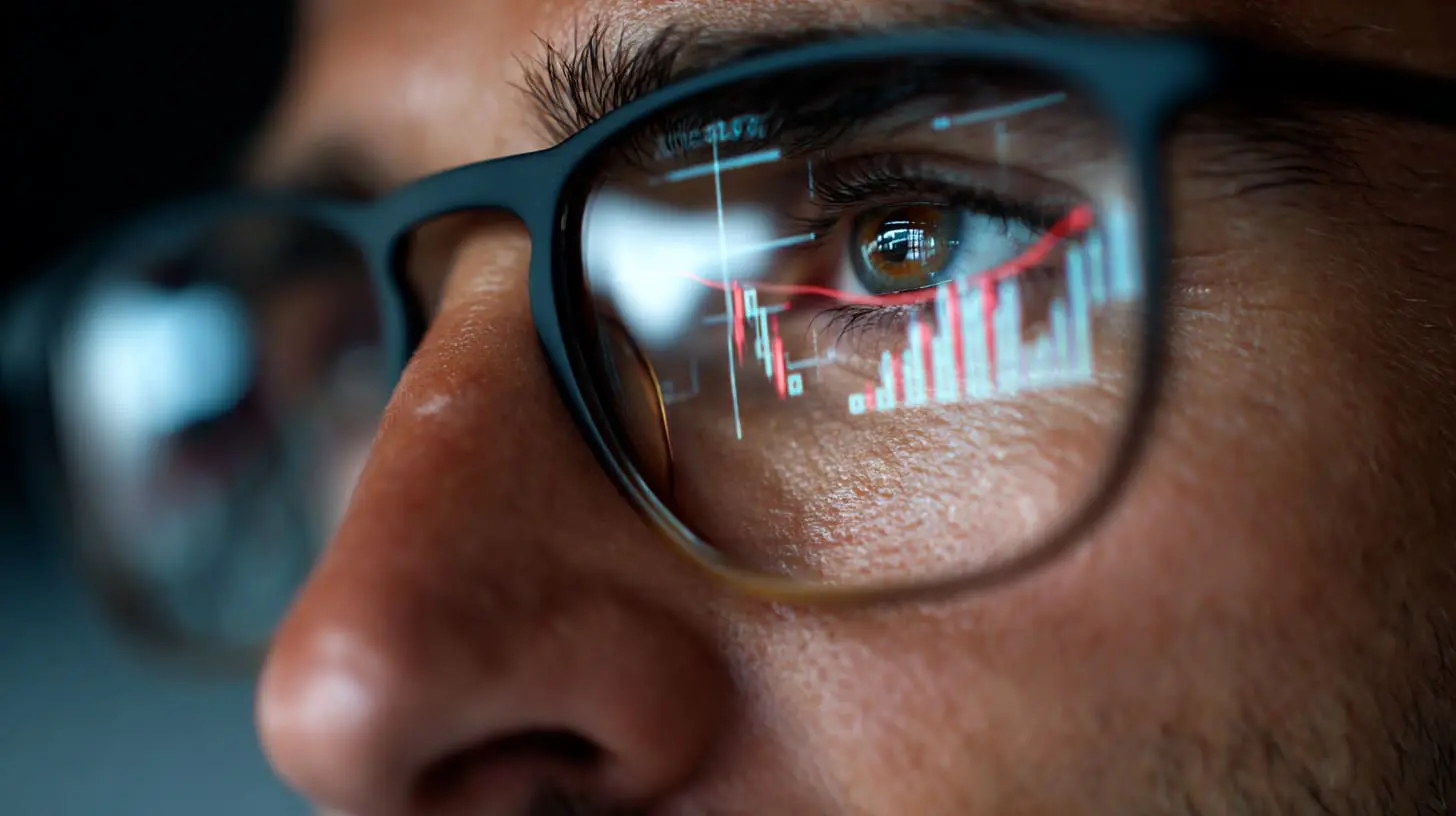
Analyse prédictive pour la prise de décision
Une IA qui repère les changements de marché et prévoit les tendances avant qu'elles ne se produisent.

Des informations exploitables prêtes à être déployées
Des stratégies concrètes conçues pour une mise en œuvre immédiate

Un contact humain quand vous en avez besoin
Des analystes experts sont à votre disposition pour vous guider ; vous ne serez jamais seul face à une machine.


 FR
FR  EN
EN  AR
AR  ZH
ZH  ZH_HK
ZH_HK  NL
NL  DE
DE  IT
IT  JA
JA  KO
KO  PL
PL  PT
PT  ES
ES