
Consultoría en Inteligencia Artificial y Automatización de la Industria Tecnológica
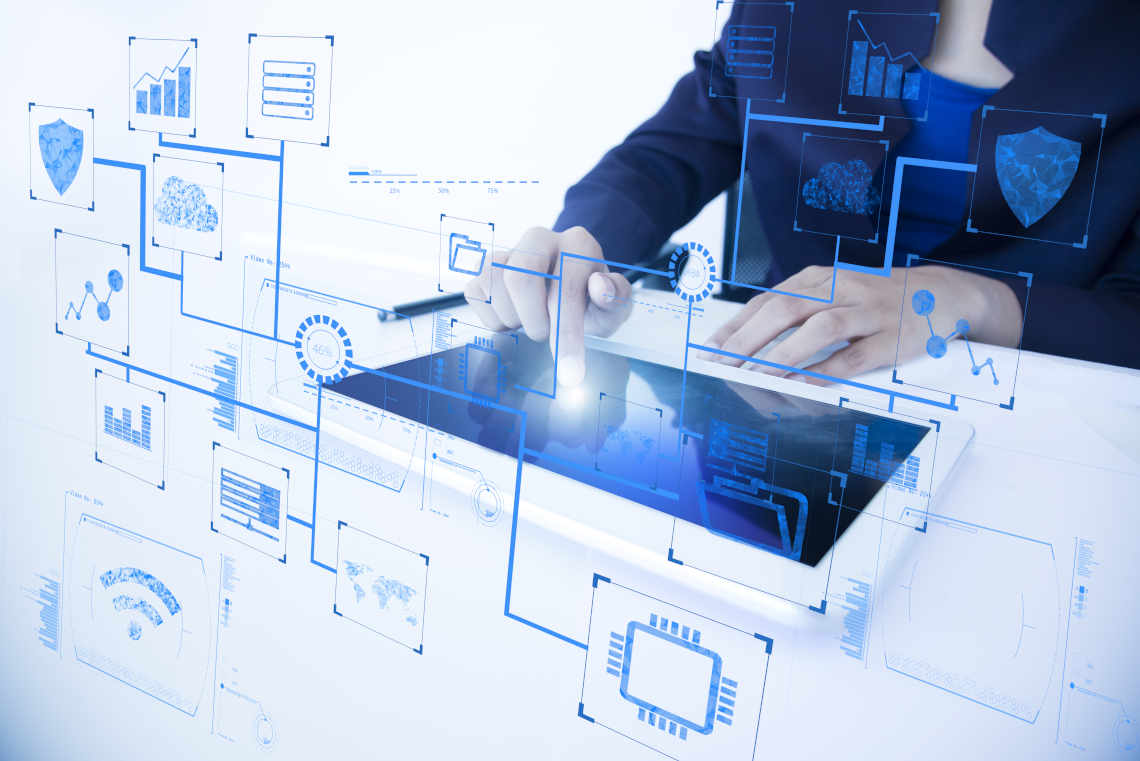
A medida que las industrias avanzan hacia un enfoque que prioriza lo digital, comprender la intrincada combinación de máquinas y algoritmos se vuelve imperativo para seguir siendo relevante y competitivo. Es por eso que la automatización de la industria tecnológica y la consultoría en inteligencia artificial son herramientas fundamentales para afrontar las complejidades de la transformación digital. Este viaje consiste en remodelar los modelos de negocio, mejorar la eficiencia operativa y redefinir las experiencias de los clientes en una era en la que la inteligencia artificial es una necesidad.
¿Qué es la consultoría en inteligencia artificial y automatización de la industria tecnológica?
La automatización de la industria tecnológica y la consultoría de IA implican la integración estratégica de inteligencia artificial y sistemas automatizados en diversos aspectos de las operaciones comerciales, con el objetivo de mejorar la eficiencia, reducir el error humano y abrir nuevas vías para la innovación y el crecimiento.
La automatización en la industria tecnológica no consiste en sustituir los procesos manuales por máquinas; se trata de crear flujos de trabajo más inteligentes que puedan aprender, adaptarse y tomar decisiones en tiempo real. Esto implica la implementación de sistemas como la automatización robótica de procesos, software de gestión empresarial inteligente y algoritmos de aprendizaje automático que pueden analizar datos, predecir resultados y automatizar tareas complejas.
Por qué las empresas necesitan consultoría en inteligencia artificial y automatización de la industria tecnológica
Las herramientas de automatización y los sistemas de inteligencia artificial agilizan las operaciones, minimizan las tareas manuales y reducen el riesgo de errores humanos. Este cambio no sólo aumenta la productividad sino que también libera recursos humanos para centrarse en tareas más estratégicas y creativas, maximizando así el potencial de la fuerza laboral.
La automatización de la industria tecnológica y la consultoría de IA también ofrecen soluciones impulsadas por IA que permiten a las empresas crear experiencias personalizadas para sus clientes. Desde recomendaciones de productos personalizadas hasta interacciones de servicios individualizados, la IA puede mejorar significativamente el compromiso y la satisfacción del cliente, lo que genera una mayor lealtad a la marca. En particular, trae varios beneficios, entre ellos:
- Innovación y desarrollo de productos: La automatización de la industria tecnológica y la consultoría en inteligencia artificial abren nuevas vías para la innovación. Al analizar las tendencias del mercado y los comentarios de los clientes, la IA puede ayudar a las empresas a desarrollar nuevos productos y servicios que se alineen con las necesidades cambiantes de los clientes. La automatización también puede acelerar el ciclo de desarrollo de productos, permitiendo a las empresas llegar al mercado más rápido.
- Empoderamiento de los empleados y satisfacción laboral: Contrariamente a la creencia de que la automatización y la IA podrían desplazar a los trabajadores humanos, estas tecnologías pueden mejorar la satisfacción laboral. Al automatizar las tareas mundanas, los empleados pueden centrarse en un trabajo más significativo y creativo, lo que conduce a una mayor satisfacción laboral y productividad.
- Operaciones Sostenibles y Responsables: La automatización de la industria tecnológica y la consultoría en inteligencia artificial pueden optimizar el uso de recursos, lo que lleva a operaciones más sostenibles. Esta alineación con los principios de gobernanza ambiental y social (ESG) no solo beneficia al planeta sino que también resuena entre consumidores e inversores cada vez más conscientes del medio ambiente.
¿Cuándo deberían las empresas recurrir a la automatización de la industria tecnológica y la consultoría en inteligencia artificial?
Identificar el momento adecuado para participar en la automatización de la industria tecnológica y la consultoría en inteligencia artificial es crucial para las empresas que desean aprovechar estas tecnologías de manera efectiva. Varios escenarios señalan la necesidad de este movimiento estratégico:
- Ingresar a nuevos mercados o lanzar nuevos productos: La diversificación o expansión a nuevos mercados requiere una comprensión profunda de las nuevas bases de clientes y los desafíos operativos. La IA puede proporcionar información valiosa sobre las tendencias del mercado y las preferencias de los clientes, lo que ayuda a una expansión exitosa.
- Necesidad de reducción de costos y mejora de la eficiencia: Cuando las empresas enfrentan presión para reducir costos y mejorar la eficiencia operativa, participar en la automatización de la industria tecnológica y la consultoría en inteligencia artificial puede cambiar las reglas del juego. Puede reducir significativamente los gastos operativos y mejorar la productividad.
- Luchando por la innovación y el liderazgo: Las empresas que aspiran a ser líderes o innovadoras de la industria deberían adoptar la inteligencia artificial y la automatización. Estas tecnologías son impulsores clave de la innovación y ofrecen nuevas formas de resolver problemas, mejorar productos y optimizar servicios.
- Cumpliendo los Objetivos de Sostenibilidad Corporativa: Para las empresas comprometidas con prácticas sostenibles, la automatización de la industria tecnológica y la consultoría en inteligencia artificial pueden optimizar el uso de recursos, reducir el desperdicio y contribuir a operaciones más respetuosas con el medio ambiente.
¿Cuáles son los resultados esperados de la consultoría en inteligencia artificial y automatización de la industria tecnológica?
La automatización de la industria tecnológica y la consultoría en IA generan resultados rápidos para las empresas y les permiten mantenerse competitivas en el mercado a través de soluciones que coinciden con las tendencias emergentes:
- Ahorro de costes: La automatización de la industria tecnológica y la consultoría en inteligencia artificial generan importantes ahorros de costos con el tiempo. La reducción del trabajo manual, la minimización de los errores y el uso optimizado de los recursos contribuyen a obtener resultados más saludables.
- Reducción de riesgos y cumplimiento: Esta consultoría puede mejorar la gestión de riesgos y el monitoreo del cumplimiento, ofreciendo a las empresas mayor seguridad y tranquilidad en estas áreas cruciales.
- Potenciación de los empleados: Al automatizar las tareas rutinarias, los empleados pueden centrarse en trabajos de mayor valor, lo que genera una mayor satisfacción laboral, una menor rotación y una fuerza laboral más comprometida.
Tecnologías y Herramientas en la Industria Tecnológica Automatización e Inteligencia Artificial Consultoría
El panorama de la automatización de la industria tecnológica y la consultoría en inteligencia artificial es rico en una variedad de herramientas y tecnologías. Estos van desde software especializado hasta hardware avanzado, y cada uno desempeña un papel fundamental en la transformación de las operaciones comerciales. Algunas de las tecnologías y herramientas clave incluyen:
- Automatización Robótica de Procesos (RPA): Las herramientas de RPA como UiPath y Automation Anywhere permiten a las empresas automatizar tareas rutinarias y repetitivas. Estas herramientas pueden imitar acciones humanas para completar procesos más rápido y con menos errores.
- Herramientas de visualización y análisis de datos: Herramientas como Tableau, Microsoft Power BI y SAS brindan potentes capacidades de visualización y análisis de datos. Ayudan a las empresas a dar sentido a grandes conjuntos de datos, descubriendo conocimientos que pueden impulsar la toma de decisiones.
- Herramientas de procesamiento del lenguaje natural (PNL): Las tecnologías de PNL, como las que ofrece OpenAI, permiten que las máquinas comprendan y respondan al lenguaje humano. Se utilizan en chatbots, asistentes de voz y automatización del servicio al cliente.
- Plataformas de computación en la nube: Plataformas como Amazon Web Services (AWS), Microsoft Azure y Google Cloud Platform ofrecen recursos de computación en la nube escalables, flexibles y rentables. Son esenciales para almacenar y procesar grandes cantidades de datos necesarios para la IA y la automatización.
- Sistemas de planificación de recursos empresariales (ERP): Los sistemas ERP como SAP, Oracle ERP Cloud y Microsoft Dynamics 365 utilizan inteligencia artificial y automatización para optimizar los procesos comerciales en varios departamentos.
Oportunidades en Industria Tecnológica Automatización e Inteligencia Artificial Consultoría para Empresas
La integración de la automatización y la inteligencia artificial en la industria tecnológica abre muchas oportunidades clave para las empresas, y estas son algunas de las más importantes:
- Creación de Nuevos Modelos de Negocio: La automatización de la industria tecnológica y la consultoría en inteligencia artificial permiten a las empresas explorar y establecer modelos comerciales innovadores. Por ejemplo, las empresas pueden aprovechar la IA para ofrecer servicios personalizados, acceso mediante suscripción a herramientas de IA o soluciones automatizadas como servicio.
- Expansión del mercado y alcance global: Esta consultoría permite a las empresas escalar y ampliar su alcance a nivel mundial con un costo incremental mínimo. La automatización y la IA pueden gestionar las complejidades de operar en diversos mercados, lidiando con diferentes idiomas, regulaciones y matices culturales.
- Transformación de la fuerza laboral y desarrollo de nuevas habilidades: El cambio hacia la IA y la automatización está transformando la fuerza laboral, creando oportunidades para que los empleados desarrollen nuevas habilidades en la gestión de la IA, el análisis de datos y la integración de tecnología.
- Resiliencia operativa: La automatización de la industria tecnológica y la consultoría en inteligencia artificial contribuyen a la resiliencia operativa, permitiendo a las empresas adaptarse rápidamente a los cambios en el mercado o a las interrupciones en la cadena de suministro. Esta agilidad es crucial en el acelerado entorno empresarial actual.
- Sostenibilidad y Ecoeficiencia: Al optimizar el uso de recursos y reducir los residuos, puede ayudar a las empresas a alcanzar sus objetivos de sostenibilidad, haciendo que las operaciones sean más ecoeficientes y cumplan con las regulaciones ambientales.
Soluciones SIS: Consultoría en Inteligencia Artificial y Automatización de la Industria Tecnológica
Brindamos soluciones innovadoras para impulsar la transformación digital en la industria tecnológica, mejorando la eficiencia operativa y redefiniendo las experiencias de los clientes. Nuestros investigadores realizan análisis estratégicos para convertir la información en conocimientos prácticos y ayudarle a considerar la automatización de la industria tecnológica y la consultoría de IA con una visión completa del mercado, y nuestro enfoque en el análisis estratégico y los conocimientos prácticos va más allá de los datos y proporciona soluciones personalizadas para los clientes.
- Implementación de Automatización Robótica de Procesos (RPA): Nuestras soluciones RPA automatizan tareas rutinarias y repetitivas, minimizando errores y mejorando la eficiencia en diversos procesos comerciales, lo que en última instancia genera importantes ahorros de costos y una mayor productividad.
- Servicios de visualización y análisis de datos: Aprovechando las herramientas avanzadas de visualización y análisis de datos, ayudamos a las empresas a descubrir información valiosa a partir de grandes conjuntos de datos, lo que permite la toma de decisiones y la planificación estratégica basadas en datos.
- Integración del procesamiento del lenguaje natural (PLN): Al integrar tecnologías de PNL, permitimos a las empresas desarrollar chatbots, asistentes de voz y soluciones de automatización del servicio al cliente con tecnología de inteligencia artificial, mejorando la participación y la satisfacción del cliente.
- Soluciones de computación en la nube: Nuestras soluciones de computación en la nube, impulsadas por plataformas como AWS, Azure y Google Cloud, brindan recursos escalables y rentables para almacenar y procesar datos necesarios para la inteligencia artificial y la automatización, lo que garantiza flexibilidad y escalabilidad en las operaciones.
- Optimización del sistema de planificación de recursos empresariales (ERP): Optimizamos los sistemas ERP utilizando inteligencia artificial y automatización para optimizar los procesos comerciales, mejorar la utilización de recursos y mejorar la eficiencia operativa general en varios departamentos.
- Desarrollo de modelos de negocio innovadores: A través de nuestros servicios de consultoría, ayudamos a las empresas a explorar y establecer modelos comerciales innovadores que aprovechan la inteligencia artificial y la automatización, lo que les permite seguir siendo competitivos y adaptarse a las tendencias cambiantes del mercado.
- Programas de transformación de la fuerza laboral: Nuestros programas de transformación de la fuerza laboral facilitan el desarrollo de nuevas habilidades en la gestión de la IA, el análisis de datos y la integración de tecnología, garantizando que las empresas estén bien equipadas para prosperar en un panorama digital en rápida evolución.
Nuestra relación con especialistas de la industria, generada durante las últimas tres décadas, permite a SIS profundizar en la automatización de la industria tecnológica y la consultoría en inteligencia artificial. El equipo de estrategia de SIS reúne lo último en automatización de la industria tecnológica y consultoría de IA, trabajando en estrecha colaboración con nuestras oficinas locales en el extranjero.

 ES
ES  EN
EN  AR
AR  ZH
ZH  ZH_HK
ZH_HK  NL
NL  FR
FR  DE
DE  IT
IT  JA
JA  KO
KO  PL
PL  PT
PT