
أبحاث سوق الهليوم
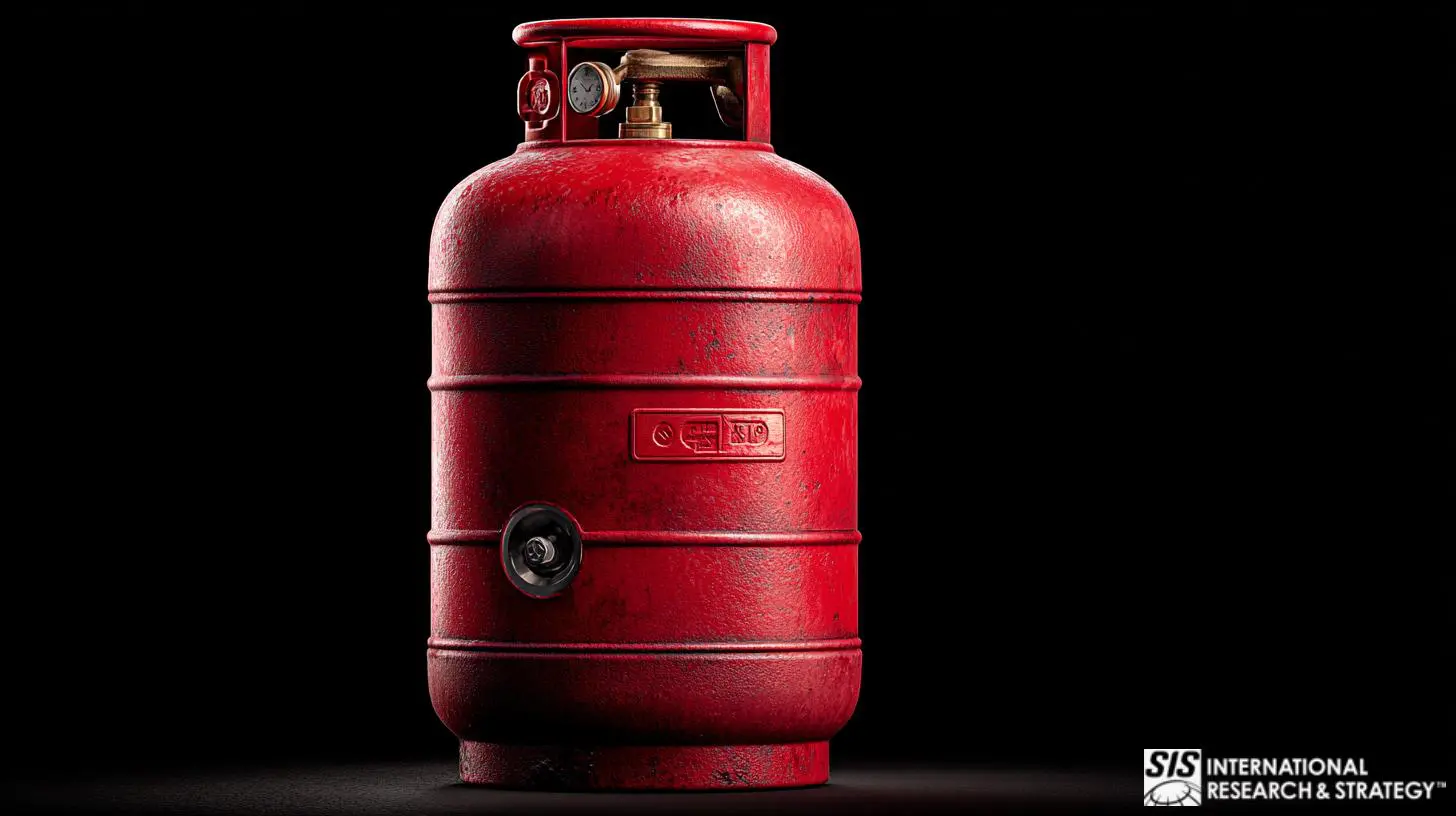
شهد سوق الهليوم العالمي نموًا كبيرًا في السنوات الأخيرة، مدفوعًا بتطبيقاته المتنوعة في مختلف الصناعات.
في الواقع، يلعب الهيليوم دورًا حاسمًا في صناعات مثل الرعاية الصحية والفضاء وتصنيع أشباه الموصلات. وبالتالي، فإن أبحاث سوق الهليوم الشاملة ذات صلة بأصحاب المصلحة في الصناعة لفهم ديناميكيات السوق الحالية واتجاهاتها وآفاق النمو المستقبلية.
أهمية أبحاث سوق الهليوم لأصحاب المصلحة في الصناعة
Market research provides an analysis of the market’s growth drivers, challenges, and emerging opportunities in the helium Industry. This information enables stakeholders to identify areas of potential growth and develop strategies to capture a larger market share.
Furthermore, helium market research helps businesses gain an understanding of the competitive landscape, including the key players, their market share, and recent developments. This knowledge allows businesses to adapt their strategies and better position themselves within the market.
It also provides stakeholders with an in-depth comprehension of the regional dynamics of the helium market. This includes insights into regional demand patterns, supply chain disruptions, and government policies that can influence market growth.
Helium Market Research: How Leading Industrial Buyers Secure Supply and Margin
Helium is no longer a quiet specialty gas. It is a strategic input governing semiconductor yields, MRI uptime, fiber optic draw towers, and rocket propellant pressurization. Helium Market Research has shifted from procurement support to boardroom intelligence, and the firms treating it that way are capturing structural advantage.
The molecule is non-renewable, geographically concentrated, and bundled to natural gas economics it does not control. Buyers who understand the supply chain at the wellhead, the liquefier, and the ISO container layer negotiate from a different position than those reading spot price commentary.
Why Helium Market Research Now Drives Industrial Strategy
Demand growth is structural. Semiconductor fabs in Arizona, Taiwan, and Saxony consume helium for wafer cooling, leak detection, and chamber purging. Healthcare systems depend on liquid helium to maintain superconducting MRI magnets. Aerospace programs at SpaceX, Blue Origin, and ULA use helium for tank pressurization where no substitute exists.
Supply is concentrated. The BLM Cliffside reserve in Texas has wound down federal sales. Qatar’s Ras Laffan facilities, ExxonMobil’s LaBarge field in Wyoming, Gazprom’s Amur project, and emerging Tanzanian non-hydrocarbon plays now define the global balance. A single liquefier outage can move prices across three continents within a quarter.
According to SIS International Research, industrial buyers who model helium exposure at the molecule level rather than the contract level identify cost variance two to three negotiation cycles earlier than peers relying on supplier-provided forecasts.
The Supply Chain Mechanics Behind Helium Pricing
Helium is a byproduct. It is extracted from natural gas streams containing economically viable concentrations, typically above 0.3 percent. This means helium output is a function of LNG and methane economics, not helium demand. When LNG trains throttle back, crude helium volumes contract regardless of MRI orders in Frankfurt.
The chain runs from gas processing to crude helium, then to liquefaction, then to ISO container or tube trailer distribution. Each stage has distinct margin pools. Air Liquide, Linde, Air Products, Iwatani, and Messer control most refined-helium offtake through long-term source agreements that lock pricing structures buyers rarely see.
Spot exposure varies by contract architecture. Take-or-pay agreements with index resets behave differently than fixed-volume contracts with surcharge clauses. Helium Market Research that maps these structures against fab ramp schedules or MRI fleet expansion produces a different procurement conversation than benchmarking unit price alone.
Where the Best Industrial Buyers Find Margin
Three patterns separate top performers in helium-intensive operations.
Recovery and recycling investment. Semiconductor and research customers installing on-site helium recovery units recapture 80 to 95 percent of vented gas. The total cost of ownership math improves sharply once contract prices clear a threshold. TSMC, Intel, and major academic medical centers have moved aggressively here.
Source diversification at the molecule level. Sophisticated buyers contract across at least two source basins. A Qatar-only position carries Strait of Hormuz risk. A North American-only position carries reserve depletion risk. Adding Russian or East African molecules through tier-one distributors hedges both, though sanctions screening adds compliance overhead.
Demand-side substitution analysis. Nitrogen, hydrogen, and argon substitute for helium in select applications including welding shielding, balloon lift, and certain leak-test protocols. Cryogenic and semiconductor uses remain captive. A bill of materials review separating captive from substitutable demand reframes the risk conversation.
What Helium Market Research Should Deliver
Generic commodity reports miss the operational layer that matters. A Fortune 500 buyer needs intelligence at four resolutions.
| Resolution | Intelligence Required | Decision Supported |
|---|---|---|
| Source basin | Reserve life, extraction economics, political risk | Multi-year sourcing strategy |
| Liquefier capacity | Plant utilization, planned outages, expansion timelines | Contract duration and volume |
| Distribution layer | ISO container fleet, regional allocation logic | Logistics and surcharge negotiation |
| End-use substitution | Application-specific helium intensity, recovery feasibility | Capital allocation for recovery systems |
Source: SIS International Research analysis of industrial gas procurement engagements.
SIS International’s B2B expert interview programs with senior procurement leaders, plant engineers, and gas distributor executives across North America, the Gulf, and East Asia consistently surface a gap: buyers know their unit price but not their molecule-level exposure. Closing that gap is where margin lives.
The Geographic Repositioning Underway
The helium map is redrawing. Qatar continues to expand through Helium 3 and adjacent expansions tied to North Field LNG growth. The United States retains Wyoming and Oklahoma volumes but has lost the federal stockpile cushion. Russia’s Amur project, when operating at design capacity, shifts global supply meaningfully eastward, with Chinese semiconductor and display manufacturers as primary offtakers.
Tanzania, South Africa, and Canada represent the non-associated frontier, where helium is the primary product rather than a methane byproduct. These projects, including Renergen and Helium One developments, change the bundling economics. Buyers evaluating long-term contracts should weight these emerging sources against established Gulf and North American positions.
Building a Helium Intelligence Function
The companies winning this cycle treat helium intelligence as a continuous capability, not an annual procurement exercise. They monitor liquefier maintenance calendars, track ISO container fleet movements, and maintain expert networks across producing regions. They model their installed base helium intensity by application and run quarterly substitution and recovery sensitivity analyses.
In structured interviews conducted by SIS International with senior gas procurement and engineering leaders across semiconductor, healthcare, and aerospace accounts, the firms reporting the strongest supply security shared one trait: they had moved helium oversight out of indirect procurement and into a cross-functional team including engineering, finance, and supply chain risk.
The SIS View
Helium Market Research is most valuable when it connects geological reality to contract structure to operational consumption. SIS International has supported industrial gas buyers, semiconductor manufacturers, and healthcare networks with competitive intelligence, expert interview programs, and market entry assessments across the helium value chain. The objective is not a report. It is a defensible sourcing position that holds through the next outage, the next geopolitical shift, and the next demand surge.
Buyers who invest in Helium Market Research at this depth are not reacting to allocation letters. They are setting the terms of the next contract.
حول سيس الدولية
سيس الدولية يقدم البحوث الكمية والنوعية والاستراتيجية. نحن نقدم البيانات والأدوات والاستراتيجيات والتقارير والرؤى لاتخاذ القرار. نقوم أيضًا بإجراء المقابلات والدراسات الاستقصائية ومجموعات التركيز وغيرها من أساليب وأساليب أبحاث السوق. اتصل بنا لمشروع أبحاث السوق القادم.

 AR
AR  EN
EN  ZH
ZH  ZH_HK
ZH_HK  NL
NL  FR
FR  DE
DE  IT
IT  JA
JA  KO
KO  PL
PL  PT
PT  ES
ES