
ال Future of Electric Vehicles in the USA – The Next 5 Years
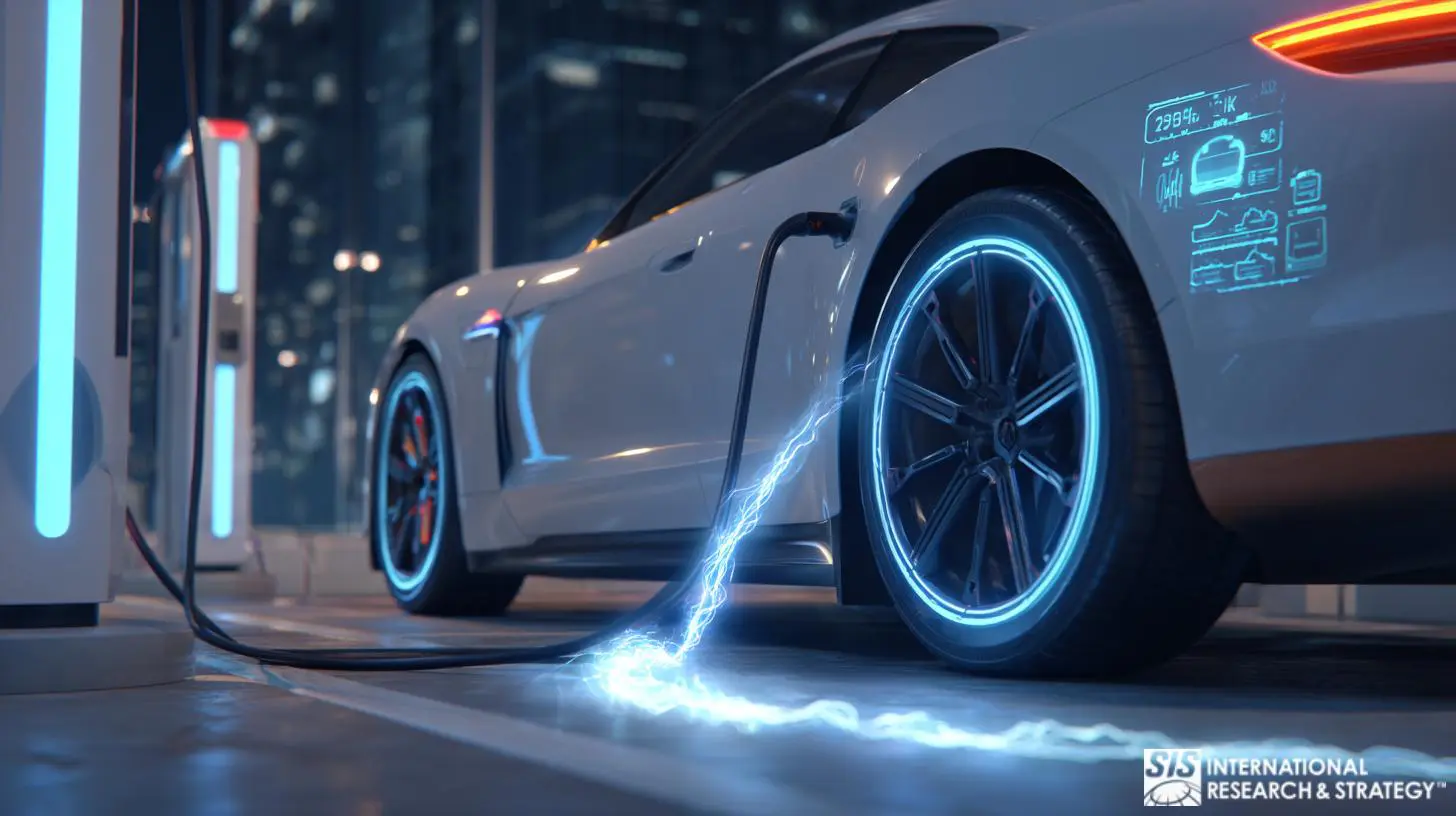
ما هو مستقبل السيارات الكهربائية في الولايات المتحدة؟ على مدى السنوات الخمس المقبلة، سوف تخضع الصناعة لتغييرات جوهرية مدفوعة بالتقدم التكنولوجي والسياسات الحكومية الداعمة وتفضيلات المستهلكين المتطورة.
تable of Contents
The Future of Electric Vehicles in the USA: What the Next Five Years Hold
The Future of Electric Vehicles in the USA will be defined less by horsepower than by economics, infrastructure density, and the software stack underneath the hood. Volume leaders are already pricing for the second buyer, not the first.
The early adopter phase is closing. The next phase rewards manufacturers who win on total cost of ownership, charging access, and connected vehicle data monetization. Fortune 500 leadership teams positioning now will compound advantage through the late 2020s.
Powertrain Transition Modeling Is Replacing Volume Forecasts
The dominant planning question has shifted. The old question was how many EVs sell. The new question is which segments tip first, in which states, at which price points, against which incentive structures. Powertrain transition modeling at the ZIP-code level now drives capital allocation at Ford, GM, and Hyundai.
Pickup and full-size SUV segments behave differently from sedans and crossovers. The Chevy Silverado EV, F-150 Lightning, and Rivian R1T compete on payload, towing range, and bidirectional power export rather than acceleration. Fleet buyers weigh duty cycle and depot charging economics. Retail buyers weigh resale value and home charging feasibility. The same vehicle sells through two different rationales.
SIS International Research’s structured expert interviews with senior automotive product planners indicate that battery chemistry benchmarking, specifically LFP versus NMC trade-offs, has become the single largest variable separating profitable EV programs from loss-making ones at current price points. LFP supports lower sticker prices and longer cycle life. NMC supports range and cold-weather performance. Program teams now segment chemistry by trim level rather than by platform.
Charging Infrastructure Is the Real Competitive Moat
Charging access, not vehicle differentiation, will determine market share over the next five years. Tesla’s Supercharger network opening to Ford, GM, Rivian, Polestar, and Mercedes through the NACS standard reset the competitive map. The question for any OEM without proprietary fast-charging is whether partnership with EVgo, Electrify America, or ChargePoint produces equivalent reliability.
Reliability data matters more than station count. Buyer sentiment tracks uptime, session success rate, and dwell time. A network with fewer stations and 98 percent session success outperforms a denser network at 80 percent. Fleet operators measure this in dollars per missed delivery window.
Federal NEVI funding is accelerating corridor build-out, but the harder problem is multifamily and workplace charging. Roughly a third of US households cannot charge at home. The OEM that solves curbside and apartment charging through utility partnerships captures a buyer segment competitors cannot reach.
The Software Layer Is Where Margin Compounds
Hardware margins on EVs remain thin. Software margins do not. Connected vehicle data monetization, over-the-air feature unlocks, and subscription ADAS represent the recurring revenue layer that Wall Street is now pricing into automaker valuations.
Tesla’s Full Self-Driving subscription, GM’s Super Cruise, and Ford’s BlueCruise illustrate three different commercial models on similar technical foundations. The winning model is not yet settled. ADAS adoption curves diverge sharply by buyer demographic, geography, and prior experience with driver assistance.
SIS International’s proprietary research across automotive OEMs in North America and Europe indicates that buyers consistently undervalue ADAS features at the point of purchase but pay willingly for them as post-sale subscriptions once familiar with the function. The implication for product planning is clear. Features that fail in the showroom can succeed in the app store. Pricing strategy needs to reflect that sequence.
Dealer Network Optimization Will Separate Winners
EV economics break the franchise dealer model in specific places. Service revenue collapses. Parts revenue collapses. F&I income on cash and lease deals shifts. Dealers who treat EVs as ICE-equivalent inventory lose money. Dealers who restructure around delivery experience, software updates, and battery service contracts capture the new margin pool.
The OEMs moving fastest on dealer network optimization, Hyundai, Kia, and Ford in particular, are running parallel sales motions. Direct-style ordering for EVs sits alongside traditional dealer inventory for ICE. The hybrid model defuses franchise law conflict while training the network on what direct delivery actually requires.
Fleet Electrification Will Outpace Retail in Specific Verticals
Last-mile delivery, utility service fleets, and short-haul logistics will electrify faster than retail consumer purchases. Fleet electrification TCO math works at current diesel and gasoline prices when duty cycles are predictable and depot charging is feasible. Amazon’s Rivian deployment, FedEx’s BrightDrop order, and PepsiCo’s Tesla Semi pilot are not pilots anymore. They are procurement decisions.
The Fortune 500 question is not whether to electrify the fleet. It is which routes, which depots, which charging architecture, and which residual value assumption. Total cost of ownership models that include downtime risk, charger maintenance, and battery degradation produce different answers than headline TCO calculators.
The Five-Year Outlook
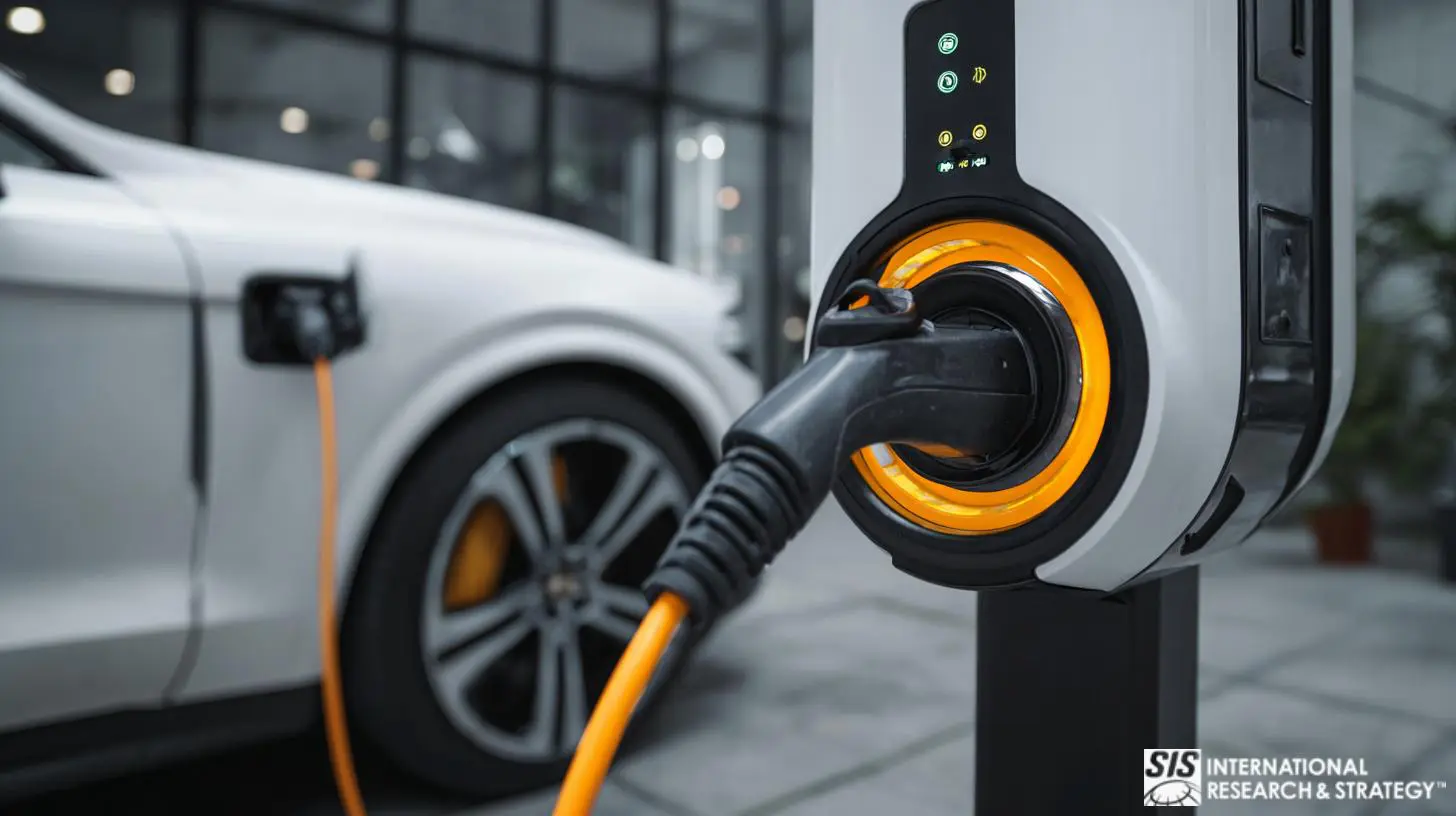
EV share of new US light-vehicle sales will continue climbing, but the curve flattens and steepens by segment. Premium and fleet lead. Mid-market follows once price parity arrives, likely through LFP-equipped compact crossovers from Hyundai, GM, and at least one Chinese-platformed entrant via Mexico. Pickup and full-size SUV adoption depends on towing range improvements and depot charging for commercial buyers.
The Future of Electric Vehicles in the USA over the next five years rewards manufacturers who treat the vehicle as a connected platform, the dealer as a service partner, and the charging network as a strategic asset rather than a vendor relationship. The companies executing on all three are already pulling ahead.
How SIS International Supports EV Strategy Decisions

SIS International Research conducts B2B expert interviews, quantitative buyer studies, and competitive intelligence engagements across automotive markets in North America, Europe, and Asia. Recent work includes a 500-respondent quantitative study across Germany, France, and the UK on powertrain transition and charging behavior. Engagements typically support market entry assessments, pricing strategy, and product planning for OEMs and Tier 1 suppliers.
حول سيس الدولية
سيس الدولية يقدم البحوث الكمية والنوعية والاستراتيجية. نحن نقدم البيانات والأدوات والاستراتيجيات والتقارير والرؤى لاتخاذ القرار. نقوم أيضًا بإجراء المقابلات والدراسات الاستقصائية ومجموعات التركيز وغيرها من أساليب وأساليب أبحاث السوق. اتصل بنا لمشروع أبحاث السوق القادم.

 AR
AR  EN
EN  ZH
ZH  ZH_HK
ZH_HK  NL
NL  FR
FR  DE
DE  IT
IT  JA
JA  KO
KO  PL
PL  PT
PT  ES
ES