
أبحاث سوق الحديد
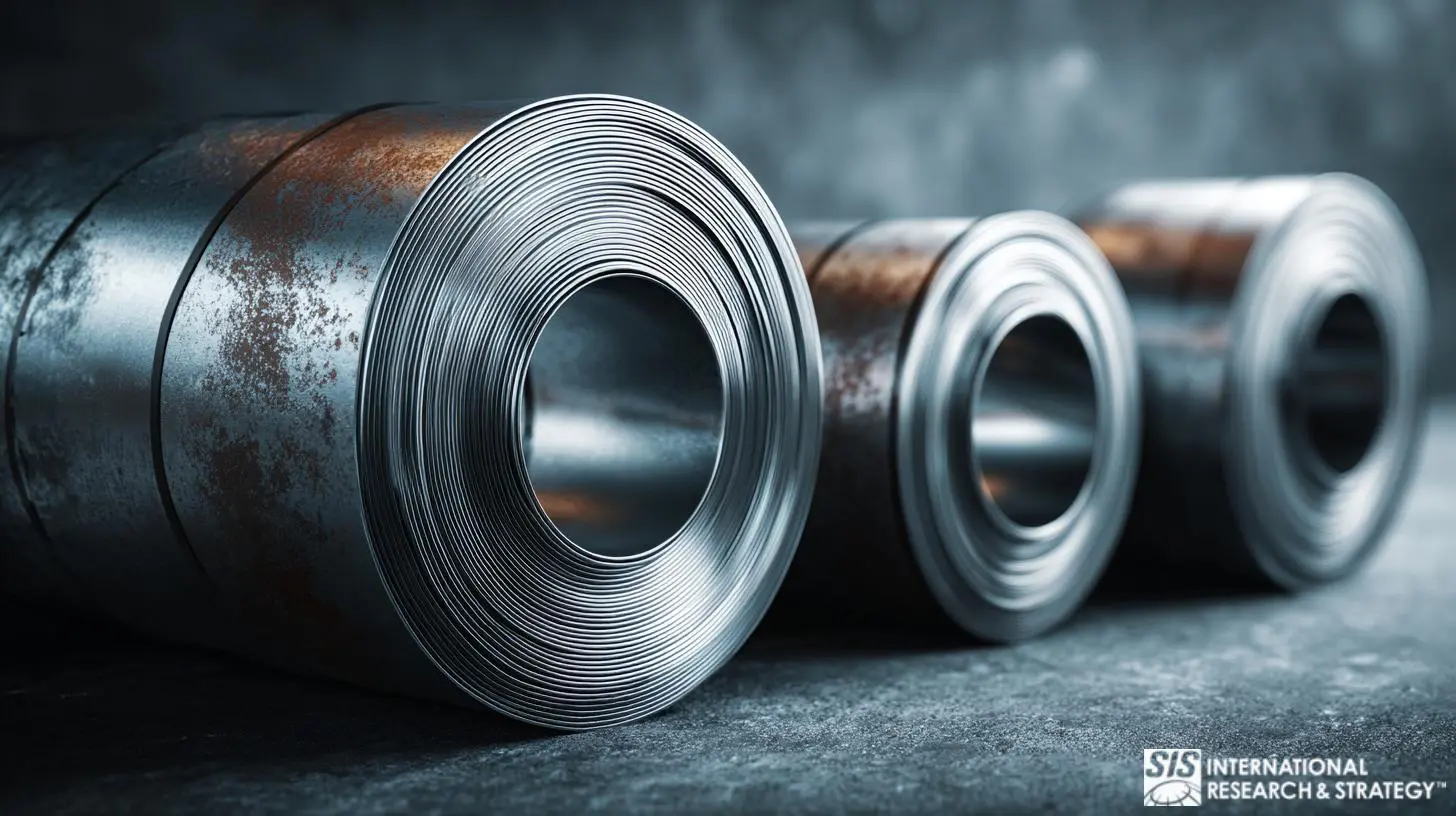
يعد سوق الحديد أحد أهم القطاعات في الاقتصاد العالمي، وهو موجود في مجموعة متنوعة من القطاعات – من البناء إلى صناعة السيارات. وبالتالي، يعد إجراء أبحاث شاملة لسوق الحديد أمرًا ضروريًا لأصحاب المصلحة لفهم ديناميكيات السوق وتوقع التغييرات ووضع الاستراتيجيات وفقًا لذلك.
تable of Contents
Iron Market Research: How Leading Producers Win in a Tightening Global Ore Market
Iron Market Research has shifted from supply tracking to strategic intelligence shaping capital allocation across mining, steelmaking, and downstream industrial buyers. The producers gaining ground read demand signals earlier, model grade economics tighter, and pre-position offtake contracts before pricing windows close.
The opportunity is concrete. Decarbonization pressure on blast furnaces, the rise of direct reduced iron (DRI), and the premium attached to high-grade pellets are redrawing the value curve. Buyers who understand where margin is migrating capture it. Those who do not pay scheme premiums to those who do.
Why Iron Market Research Now Drives Strategic Capital Decisions
Iron ore is no longer a single commodity. It is a tiered product set with distinct buyers, distinct premiums, and distinct futures. The 62% Fe benchmark still anchors pricing, but the spread between 65% Fe high-grade fines and lower-grade Pilbara blends has widened structurally as steelmakers chase coke savings and emissions reductions.
This matters at the boardroom level. Vale’s high-silica issues, Rio Tinto’s Simandou ramp in Guinea, and Fortescue’s push into green iron through its Pilbara hydrogen pilots all reflect the same thesis. Grade and carbon intensity, not volume alone, will define the next decade of returns. Iron Market Research that still benchmarks on tonnage misses the margin story entirely.
According to SIS International Research, industrial buyers conducting bill of materials optimization across steel-intensive supply chains are increasingly indexing supplier scorecards to grade consistency and Scope 3 disclosures rather than landed cost alone. The procurement function has moved upstream into the metallurgy.
The Grade Premium Thesis: Where Margin Is Migrating
The conventional approach treats iron ore as a cost input subject to spot volatility. The better approach treats grade as an option on future carbon regulation. EU CBAM, Japan’s GX League, and Korea’s K-ETS all penalize embedded carbon in imported steel. High-grade ore reduces coke consumption per tonne of hot metal, cutting both cost and emissions in a single move.
BHP’s South Flank replacement project and CSN Mineração’s pellet feed expansions reflect this. Both target grade upgrades rather than volume growth. The capital is following the premium. Iron Market Research that quantifies the CBAM-adjusted landed cost across origin pairs gives Fortune 500 procurement teams a defensible negotiating position with mills.
The Simandou project in Guinea, jointly developed by Rio Tinto, Chinalco, Baowu, and Winning Consortium, is the clearest signal. Roughly 65% Fe ore from a new origin reshapes Atlantic basin supply and gives Chinese mills a hedge against Australian concentration. Buyers tracking this corridor early secure better term contracts.
DRI, Green Iron, and the Pellet Premium Reset
Direct reduced iron is the demand catalyst most underestimated in standard Iron Market Research. DRI requires DR-grade pellets at 67%+ Fe with tight gangue specifications. Global DR-pellet supply is structurally short. Producers like Samarco, LKAB, and Bahrain Steel sit on a strategic asset class as hydrogen-based steelmaking scales in Sweden (HYBRIT), Germany (thyssenkrupp tkH2Steel), and the Gulf.
The total cost of ownership math favors integrated players. A mill switching from blast furnace to electric arc furnace with DRI feed reduces CO2 per tonne by roughly two-thirds. The pellet premium, historically a swing factor, is becoming a structural floor. Aftermarket revenue strategy for pellet producers now includes long-dated green steel offtake agreements with automakers and white-goods OEMs.
SIS International’s B2B expert interviews with senior procurement and metallurgy leaders across European and East Asian steel buyers indicate that DR-pellet qualification cycles are extending as mills tighten chemistry tolerances, creating a window for incumbent suppliers to lock multi-year volumes ahead of new entrants.
China’s Demand Plateau and the India Offset
China’s steel output has plateaued, but the composition has shifted toward higher-grade inputs as Beijing enforces ultra-low emission standards on Tangshan and Hebei mills. Crude steel volume is flat. Premium ore demand is not. This is a frequently misread signal in Iron Market Research that aggregates tonnage without parsing grade.
India is the offset. JSW Steel, Tata Steel, and AM/NS India are expanding capacity against domestic ore that is largely lower-grade. Imports of Brazilian and Australian high-grade fines are climbing. The installed base analytics for Indian mills suggests blast furnace dominance through the late 2020s, with DRI capacity growing alongside rather than replacing it. Both feedstock streams will compete for premium ore.
Southeast Asia adds a third leg. Indonesia’s Krakatau Posco, Vietnam’s Hoa Phat Dung Quat, and Malaysian integrated mills are scaling. Reshoring feasibility studies for North American auto and white-goods supply chains increasingly model these origins as alternative steel sources, which loops back into iron ore demand projections.
What Sophisticated Iron Market Research Delivers
Generic commodity reports recycle exchange data and mine guidance. Decision-grade Iron Market Research integrates four layers: grade-tier supply modeling by origin, carbon-adjusted landed cost across destination pairs, mill-level qualification and switching costs, and offtake contract intelligence including index linkage and quality clauses.
The output is not a forecast. It is a position. Where to lock term volume. Which corridors to hedge. Which suppliers to qualify before competitors do. Which downstream buyers will pay green premiums and which will not.
Based on SIS International’s analysis of engagements across mining, steel, and steel-intensive industrial sectors, Fortune 500 buyers who commission supplier qualification audits and competitive intelligence on origin diversification ahead of pricing resets consistently secure 4 to 7 percent landed cost advantages over peers relying on annual benchmarking alone. The work pays for itself inside one contracting cycle.
The SIS Iron Intelligence Framework
| Layer | What It Answers | Decision Enabled |
|---|---|---|
| Grade-Tier Supply Map | Where is 65%+ Fe capacity expanding by origin? | Term contract origin selection |
| Carbon-Adjusted Cost | What is CBAM-loaded landed cost per origin pair? | Mill sourcing strategy |
| Mill Qualification Map | Which mills accept which chemistries at what cost? | Offtake counterparty selection |
| Offtake Contract Intelligence | How are competitors structuring index linkage and quality penalties? | Negotiation positioning |
Source: SIS International Research
The Decision Window for VP-Level Buyers
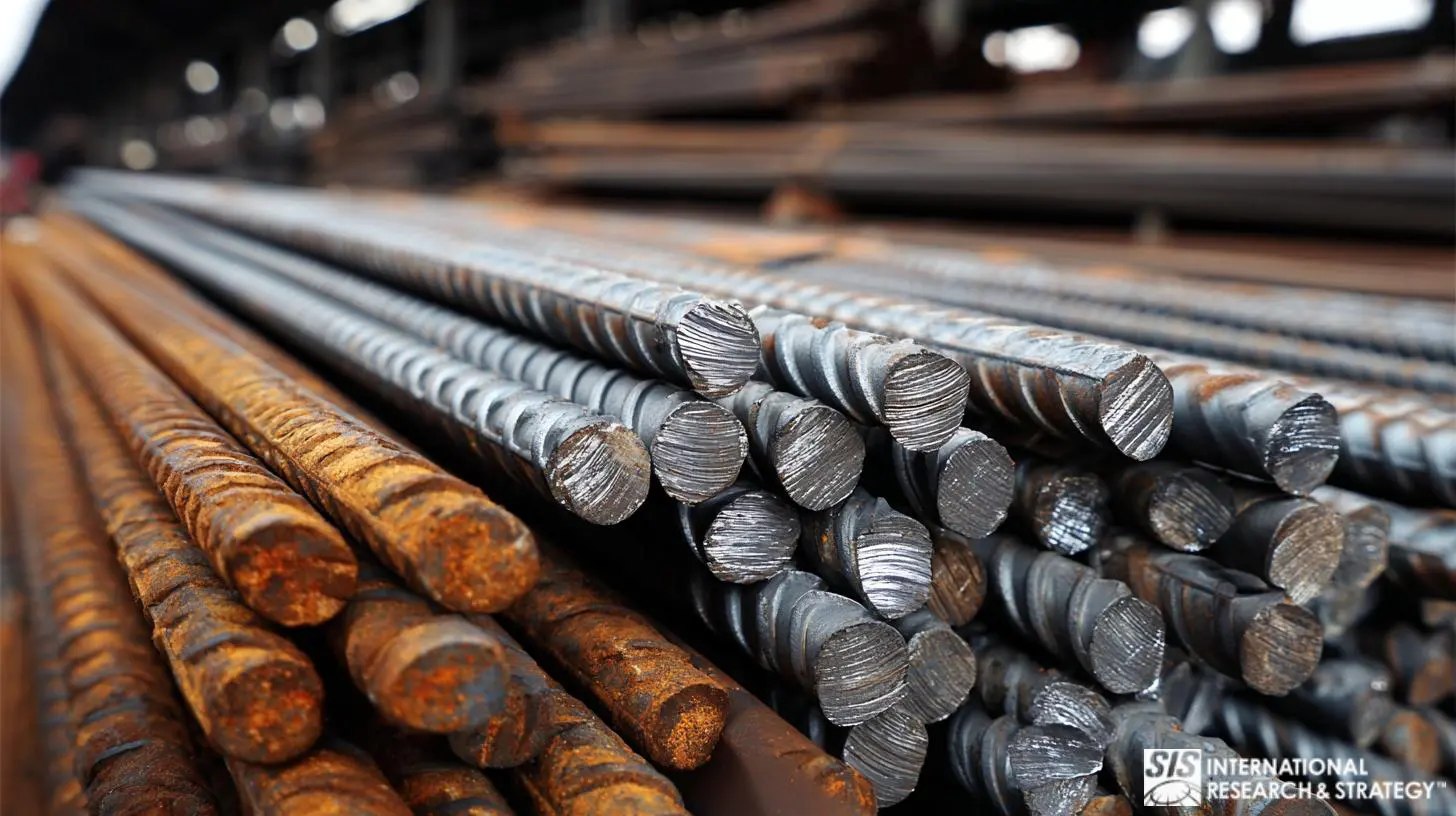
Capital cycles in iron ore run long. Greenfield projects take seven to ten years. Pellet plant retrofits take three to five. The producers expanding DR-grade capacity now will define supply for the next decade. The buyers qualifying those producers now will define their own cost curve.
Iron Market Research at the strategic level is not about predicting the next price print. It is about identifying which structural shifts in grade, carbon, and geography are already underway and positioning capital before they price in. The window is open. It will not stay open indefinitely.
Key Questions
Q1: What is driving the high-grade iron ore premium?
Decarbonization regulation and DRI growth. Higher Fe content reduces coke consumption in blast furnaces and is required for hydrogen-based direct reduced iron, both of which command structural premiums tied to carbon pricing.
Q2: How does CBAM affect iron ore sourcing strategy?
EU CBAM penalizes embedded carbon in imported steel, which shifts mill economics toward higher-grade ore that lowers emissions per tonne of hot metal. This widens the spread between premium and standard grades structurally.
Q3: Why does Simandou matter for global buyers?
Simandou introduces large-scale 65% Fe supply from Guinea, diversifying the Atlantic basin and reducing buyer dependence on Australian and Brazilian concentration. Early offtake positioning secures better term economics.
Q4: Where is iron ore demand growing despite China’s plateau?
India and Southeast Asia. JSW, Tata Steel, AM/NS India, Hoa Phat, and Krakatau Posco are scaling capacity, with rising demand for imported high-grade fines and pellets.
Q5: What separates strategic Iron Market Research from commodity reports?
Strategic research integrates grade-tier supply, carbon-adjusted landed cost, mill qualification economics, and offtake contract intelligence. Commodity reports stop at price and volume.
حول سيس الدولية
سيس الدولية يقدم البحوث الكمية والنوعية والاستراتيجية. نحن نقدم البيانات والأدوات والاستراتيجيات والتقارير والرؤى لاتخاذ القرار. نقوم أيضًا بإجراء المقابلات والدراسات الاستقصائية ومجموعات التركيز وغيرها من أساليب وأساليب أبحاث السوق. اتصل بنا لمشروع أبحاث السوق القادم.

 AR
AR  EN
EN  ZH
ZH  ZH_HK
ZH_HK  NL
NL  FR
FR  DE
DE  IT
IT  JA
JA  KO
KO  PL
PL  PT
PT  ES
ES