
استشارات الأتمتة والذكاء الاصطناعي
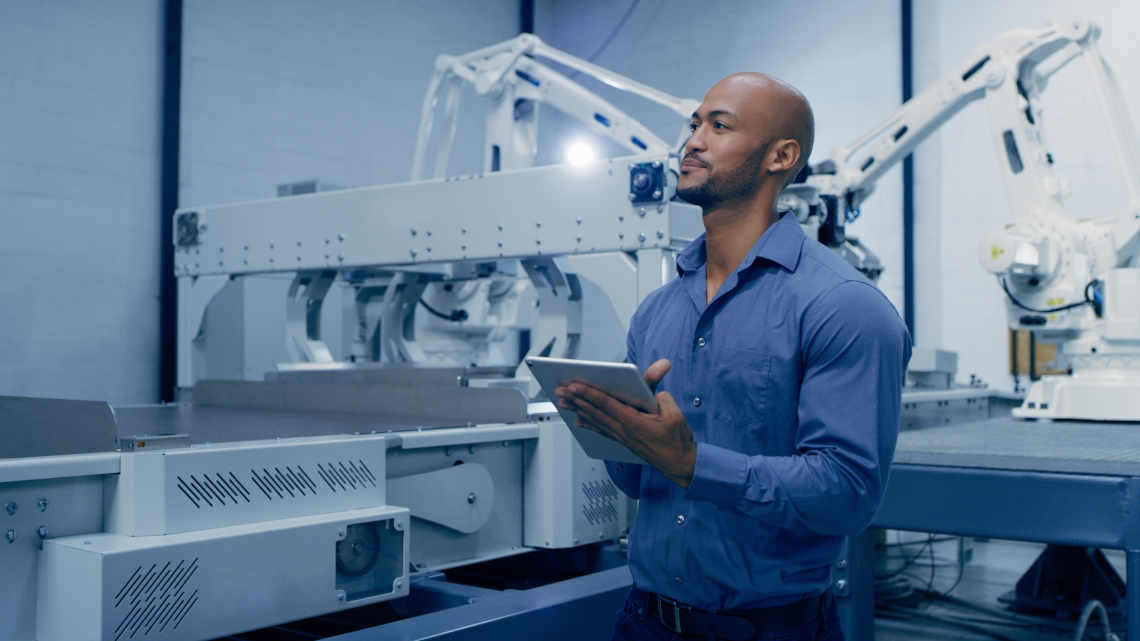
تمثل استشارات الأتمتة والذكاء الاصطناعي تحولًا محوريًا في كيفية عمل الشركات وابتكارها وتفاعلها مع عملائها. إنها ليست مجرد ترقية تكنولوجية ولكنها تحول شامل للعمليات والاستراتيجيات والأهداف التجارية في عالم رقمي متزايد.
ما هي استشارات الأتمتة والذكاء الاصطناعي؟
تعد استشارات الأتمتة والذكاء الاصطناعي مجالًا ناشئًا يستفيد من قوة الذكاء الاصطناعي وتقنيات الأتمتة لتحسين العمليات التجارية وتعزيز عملية صنع القرار وخلق قيمة جديدة للشركات وعملائها. ويتضمن تقييم العمليات الحالية للشركة، وتحديد المجالات التي يمكن أن تكون فيها هذه التقنيات مفيدة، وتنفيذ الحلول المصممة خصيصًا لتلبية احتياجات الشركة وأهدافها المحددة.
لماذا تحتاج الشركات إلى استشارات الأتمتة والذكاء الاصطناعي؟
يتطلب الحجم الهائل والتعقيد الكبير للبيانات التي تنتجها الشركات الحديثة أدوات متقدمة للتحليل والتفسير. توفر الأتمتة والذكاء الاصطناعي هذه الأدوات، مما يمكّن الشركات من استخلاص رؤى قابلة للتنفيذ من مجموعات البيانات الكبيرة، وتحسين عمليات صنع القرار، وتصميم الاستراتيجيات لتلبية متطلبات السوق.
بالإضافة إلى ذلك، تعد الكفاءة التشغيلية مصدر قلق بالغ للشركات بجميع أحجامها. تساعد استشارات الأتمتة والذكاء الاصطناعي الشركات على تبسيط المهام الروتينية، مما يقلل من احتمالية الخطأ البشري ويوفر وقت الموظف للقيام بمزيد من الأنشطة ذات القيمة المضافة.
علاوة على ذلك، فإن الطبيعة الديناميكية لبيئة الأعمال الحديثة تتطلب المرونة والقدرة على التكيف. تتيح أنظمة الأتمتة والذكاء الاصطناعي للشركات الاستجابة بسرعة لتغيرات السوق، وتعديل الاستراتيجيات في الوقت الفعلي، والحفاظ على ميزة تنافسية... ومع ذلك، تقدم استشارات الأتمتة والذكاء الاصطناعي مجموعة من الفوائد عبر مختلف الصناعات، بما في ذلك::
- تقليل التكاليف: ومن خلال أتمتة المهام المتكررة وكثيفة العمالة، يمكن للشركات تقليل تكاليف العمالة والنفقات التشغيلية بشكل كبير.
- تطوير المنتجات والخدمات المبتكرة: يمكن أن تساعد استشارات الذكاء الاصطناعي الشركات على الاستفادة من أحدث التقنيات لتطوير منتجات وخدمات مبتكرة، مما يجعلها قادرة على المنافسة في أسواقها.
- إدارة المخاطر والامتثال: يمكن للذكاء الاصطناعي التنبؤ بالمخاطر والتخفيف من حدتها من خلال تحليل الاتجاهات والأنماط. كما أنه يساعد في ضمان الامتثال للمتطلبات التنظيمية من خلال المراقبة الآلية وإعداد التقارير.
- المواهب وتحسين الموارد: تعمل الأتمتة على تحرير المواهب البشرية من المهام الدنيوية، مما يسمح لها بالتركيز على المزيد من العمل الاستراتيجي والإبداعي.
- الاستدامة: يمكن للأتمتة والذكاء الاصطناعي تحسين استخدام الموارد وتقليل الهدر، مما يساهم في ممارسات تجارية أكثر استدامة.
كيف يتم إجراء استشارات الأتمتة والذكاء الاصطناعي؟
يتضمن إجراء استشارات الأتمتة والذكاء الاصطناعي عدة خطوات حاسمة لضمان نجاحها ومواءمتها مع أهداف العمل. إليك طريقة شاملة لتنفيذ هذا النوع من الاستشارات:
- مساعدة مبدئية: تتضمن هذه المرحلة تحديد نقاط الضعف ومجالات التحسين والأهداف المحددة التي تهدف الشركة إلى تحقيقها من خلال الأتمتة والذكاء الاصطناعي.
- تحليل البيانات وتقييم البنية التحتية: ويتضمن تقييم جودة البيانات وتوافرها وقدرة أنظمة تكنولوجيا المعلومات الحالية على التكامل مع التقنيات الجديدة.
- تطوير وتخطيط الإستراتيجية: في هذه الخطوة، تقوم الشركات والاستشاريون بتطوير خطة استراتيجية توضح كيفية استخدام الأتمتة والذكاء الاصطناعي لتحقيق أهداف العمل المحددة. يجب أن تتضمن هذه الخطة خريطة طريق تحتوي على جداول زمنية، وتخصيص الموارد، والمعالم الرئيسية.
- اختيار التكنولوجيا: واستنادًا إلى الإستراتيجية، يقوم المستشارون وممثلو الأعمال باختيار التقنيات المناسبة وتصميم الحلول المخصصة. قد يتضمن ذلك اختيار خوارزميات الذكاء الاصطناعي وأدوات التشغيل الآلي والتقنيات الأخرى ذات الصلة التي تتوافق مع احتياجات العمل.
- الاختبار التجريبي ودمج الملاحظات: قبل التنفيذ على نطاق واسع، يقوم الاستشاريون بإجراء اختبارات تجريبية للحلول المقترحة. تعتبر هذه المرحلة حاسمة لتحديد المشكلات المحتملة وجمع التعليقات لتحسين الحلول.
- التنفيذ والتكامل: ومن خلال الاختبار التجريبي الناجح، يشرع المستشارون وممثلو الأعمال في التنفيذ الكامل لحلول الأتمتة والذكاء الاصطناعي.
- التدريب وإدارة التغيير: وسيقدم الاستشاريون تدريبًا شاملاً للموظفين لتعريفهم بالتقنيات والعمليات الجديدة. تنفيذ استراتيجيات إدارة التغيير لتسهيل عملية الانتقال وتعزيز ثقافة تقبل الابتكار التكنولوجي.
- المراقبة المستمرة والتحسين: بعد التنفيذ، يجب على الشركة مراقبة أداء حلول الذكاء الاصطناعي والأتمتة بشكل مستمر، وجمع البيانات، وقياس الفعالية، وإجراء التعديلات حسب الحاجة لتحسين الأداء.
عوامل النجاح الرئيسية في استشارات الأتمتة والذكاء الاصطناعي
لكي تنجح استشارات الأتمتة والذكاء الاصطناعي، تحتاج الشركات إلى التأكد من أن المنظمة توفر العناصر اللازمة لتنفيذ التغييرات.
- التزام القيادة القوي: يعد قبول القيادة والالتزام أمرًا ضروريًا. يجب على القادة دعم المبادرة بشكل فعال، وتوفير الموارد اللازمة، وإيصال أهمية هذه التقنيات إلى المنظمة بأكملها.
- إدارة التغيير الفعالة: غالبًا ما يتطلب تنفيذ الأتمتة واستشارات الذكاء الاصطناعي تغييرات كبيرة في العمليات وسير العمل. تعد إدارة التغيير الفعالة أمرًا بالغ الأهمية لمعالجة مخاوف الموظفين، وتسهيل التحولات السلسة، وتعزيز الثقافة التي تحتضن التغيير التكنولوجي.
- اختيار التقنيات والشركاء المناسبين: يعد اختيار التقنيات والأدوات المناسبة التي تتوافق مع احتياجات العمل المحددة أمرًا ضروريًا. كما أن الشراكة مع مزودي التكنولوجيا ذوي الخبرة وذوي السمعة الطيبة يمكن أن تعزز بشكل كبير فرص النجاح.
- التكامل مع الأنظمة الحالية: يعد التكامل السلس للتقنيات الجديدة مع الأنظمة والعمليات الحالية أمرًا حيويًا. يجب أن يتم التخطيط لهذا التكامل بشكل جيد وتنفيذه لتقليل الاضطرابات في العمليات الجارية.
- تدريب الموظفين وتمكينهم: وينبغي تدريب الموظفين وتمكينهم من العمل مع التكنولوجيات الجديدة. ولا يتضمن ذلك التدريب الفني فحسب، بل يشمل أيضًا فهم كيف يمكن للذكاء الاصطناعي والأتمتة تعزيز أدوارهم والمساهمة في الأعمال.
النتائج المتوقعة من استشارات الأتمتة والذكاء الاصطناعي
عندما تنخرط الشركات في استشارات الأتمتة والذكاء الاصطناعي، يمكنها توقع نتائج إيجابية تدفع التميز التشغيلي، وتعزز تجارب العملاء، وتحافظ على ميزة تنافسية في السوق. وتشمل النتائج المتوقعة ما يلي:
- توفير في التكاليف: تعمل الأتمتة على تقليل الحاجة إلى العمل اليدوي في المهام المتكررة، مما يؤدي إلى توفير كبير في التكاليف. بالإضافة إلى ذلك، يمكن للتحسينات المعتمدة على الذكاء الاصطناعي تقليل الهدر وتحسين تخصيص الموارد، مما يؤدي إلى خفض تكاليف التشغيل بشكل أكبر.
- تحسين تجارب العملاء: يتيح الذكاء الاصطناعي تجارب العملاء المخصصة من خلال التوصيات المستهدفة وخدمة العملاء الآلية وأنظمة أكثر استجابة. وهذا يعزز رضا العملاء وولائهم.
- الابتكار والفرص الجديدة: يمكن للرؤى التي تقدمها استشارات الأتمتة والذكاء الاصطناعي أن تؤدي إلى فرص جديدة للابتكار في المنتجات والخدمات ونماذج الأعمال، مما يجعل الشركة في صدارة اتجاهات السوق.
- تعزيز القدرة التنافسية: ومن خلال الاستفادة من أحدث تقنيات الذكاء الاصطناعي والأتمتة، يمكن للشركات أن تظل قادرة على المنافسة في مشهد رقمي سريع التطور. يمكنهم الاستجابة بسرعة لتغيرات السوق واحتياجات العملاء.
فرص وتحديات استشارات الأتمتة والذكاء الاصطناعي
يوفر دمج الأتمتة والذكاء الاصطناعي في العمليات التجارية العديد من الفرص - وبعض التحديات التي تحتاج الشركات إلى التعامل معها بعناية.
فرص
- التفوق التشغيلي: تعمل الأتمتة والذكاء الاصطناعي على تحسين الكفاءة التشغيلية بشكل كبير، مما يسمح للشركات بتحسين سير العمل، وخفض التكاليف، وتحسين الإنتاجية الإجمالية.
- قابلية التوسع والمرونة: توفر هذه التقنيات قابلية التوسع، مما يسمح للشركات بالنمو وتكييف عملياتها دون زيادات متناسبة في التكاليف أو التعقيد.
- تمكين القوى العاملة: تعمل الأتمتة على تحرير الموظفين من المهام الدنيوية، مما يمكنهم من التركيز على جوانب أكثر إستراتيجية وإبداعًا ومكافأة في عملهم.
التحديات
- خصوصية البيانات وأمنها: تمثل إدارة الكميات الهائلة من البيانات التي تستخدمها أنظمة الذكاء الاصطناعي، مع ضمان الخصوصية والأمن، تحديًا كبيرًا، لا سيما في ظل المشهد التنظيمي المتطور.
- فجوة المهارات والتدريب: غالبًا ما تكون هناك فجوة في المهارات في المؤسسات فيما يتعلق بفهم وإدارة الذكاء الاصطناعي وتقنيات الأتمتة، مما يتطلب برامج تدريب وتطوير شاملة.
- إدارة التغيير: تتطلب إدارة التغيير في الثقافة التنظيمية والعمليات التي تأتي مع اعتماد هذه التقنيات تخطيطًا واتصالًا دقيقًا.
النظرة المستقبلية لاستشارات الأتمتة والذكاء الاصطناعي
يستعد مستقبل استشارات الأتمتة والذكاء الاصطناعي لتحقيق نمو وتحول كبيرين، مدفوعًا بالتقدم المستمر في التكنولوجيا ومشهد الأعمال المتغير.
- المزيد من الحلول المخصصة والشخصية: سيمكن الذكاء الاصطناعي والأتمتة الشركات من تقديم منتجات وخدمات أكثر تخصيصًا وتخصيصًا، بما يلبي الاحتياجات والتفضيلات المحددة للعملاء الأفراد.
- تعزيز التعاون بين الإنسان والآلة: وسيشهد المستقبل المزيد من التفاعلات التعاونية بين البشر والآلات، حيث يدعم الذكاء الاصطناعي عملية صنع القرار البشرية ويعززها بدلاً من استبدالها.
- تركيز أكبر على أمن البيانات والخصوصية: نظرًا لأن الشركات تعتمد بشكل أكبر على الذكاء الاصطناعي والأتمتة القائمة على البيانات، سيكون هناك تركيز متزايد على أمن البيانات والخصوصية، بما في ذلك الامتثال للوائح مثل اللائحة العامة لحماية البيانات.
- حلول قابلة للتطوير ومرنة: سوف تتزايد الحاجة إلى حلول الذكاء الاصطناعي والأتمتة المرنة والقابلة للتطوير، حيث تحتاج الشركات إلى تقنيات يمكنها التكيف مع ظروف السوق المتغيرة واحتياجات الأعمال.
- توسيع الذكاء الاصطناعي كخدمة (AIaaS): ومن المتوقع أن يتوسع سوق AIaaS، مما يسمح للشركات من جميع الأحجام بالوصول إلى تقنيات الذكاء الاصطناعي دون الحاجة إلى استثمارات كبيرة مقدمًا.
حلول SIS: استشارات الأتمتة والذكاء الاصطناعي
نحن نقدم رؤى استراتيجية لتعزيز عملية صنع القرار والكفاءة التشغيلية والابتكار من خلال تقنيات الذكاء الاصطناعي والأتمتة. يجري باحثونا تحليلات استراتيجية لتحويل المعلومات إلى رؤى قابلة للتنفيذ، مما يساعدك على التفكير في استشارات الأتمتة والذكاء الاصطناعي من خلال رؤية شاملة للسوق. تشمل حلولنا المخصصة للعملاء ما يلي:
- التخطيط الاستراتيجي وتقديم المشورة في التنفيذ
- تحسين الكفاءة التشغيلية
- تعزيز عمليات صنع القرار
- الابتكار في تطوير المنتجات والخدمات
- استراتيجيات خفض التكاليف
- تحسين تجربة العملاء
- تعزيز الميزة التنافسية
إن علاقتنا الطويلة الأمد مع المتخصصين في الصناعة تسمح لشركة SIS بتقديم رؤى متعمقة حول استشارات الأتمتة والذكاء الاصطناعي، مع فريق عالمي يدمج أحدث التطورات في هذا المجال.

 AR
AR  EN
EN  ZH
ZH  ZH_HK
ZH_HK  NL
NL  FR
FR  DE
DE  IT
IT  JA
JA  KO
KO  PL
PL  PT
PT  ES
ES