
飯店餐飲市場研究
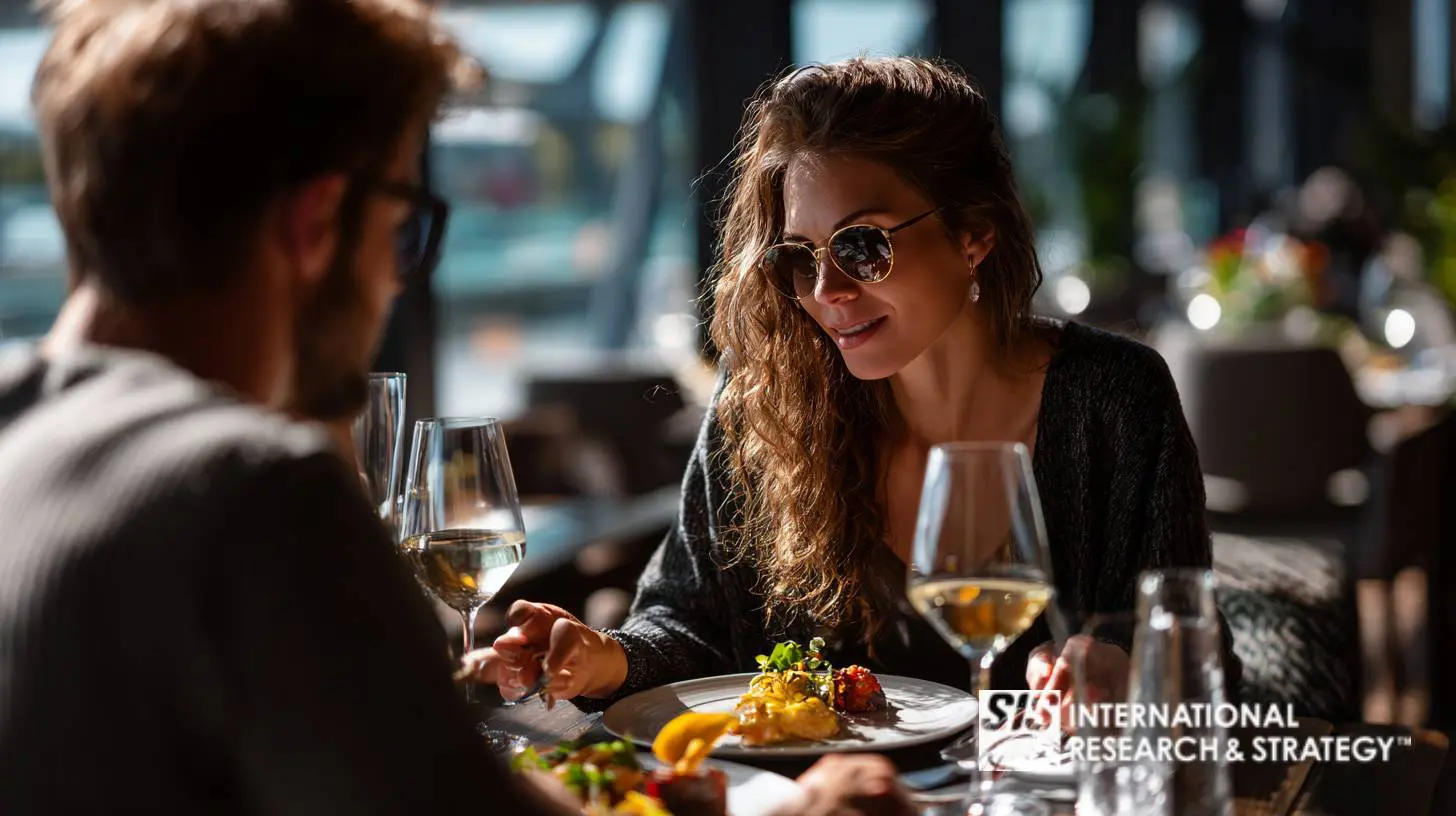
Imagine arriving at a luxury hotel after a long journey with a vision of indulging in a gourmet meal that captures the essence of your destination. Wouldn’t it be nice? This is the role of hotel food and beverage market research.
In an era where the line between a meal and an experience is increasingly blurred, hotels are no longer just places to rest but culinary hubs that promise a gastronomic journey. To truly resonate with guests and stand out in a saturated market, establishments are turning to detailed market research.
What is Hotel Food and Beverage Market Research?
Hotel food and beverage market research is a systematic and in-depth study dedicated to understanding, analyzing, and interpreting the food and beverage preferences, consumption patterns, and emerging trends within the hotel and hospitality industry. This domain of research serves multiple crucial purposes:
- Consumer Insight: Hotel food and beverage market research provides invaluable insights into what hotel guests desire, from breakfast buffets to in-room dining experiences. By analyzing guests’ feedback, consumption data, and dietary preferences, hotels can tailor their culinary offerings to meet specific needs.
- 競品分析: Hotels operate in a competitive landscape, and understanding what rivals are offering can be pivotal. Hotel food and beverage market research helps establishments benchmark their offerings, gauge market standards, and identify gaps in the market that they could potentially fill.
- Menu Development: Modern menus are curated experiences. Through hotel food and beverage market research, hotels can identify trending ingredients, cuisines, and dishes, ensuring their menus remain contemporary and appealing.
- 營運效率: Beyond what’s on the plate, this research can guide hotels in optimizing kitchen operations, reducing food wastage, and ensuring cost-efficiency, all of which have a direct impact on profitability.
- Sustainability and Ethics: With a growing emphasis on sustainability, market research can provide insights into sourcing eco-friendly ingredients, minimizing carbon footprints, and adopting ethical practices in food procurement and preparation.
- Innovation and Expansion: For hotels looking to innovate, be it through introducing a new themed restaurant, a signature dish, or expanding to new regions, hotel food and beverage market research provides the necessary data to make informed decisions.
Hotel Food Beverage Market Research: How Leading Operators Convert F&B Into a Profit Center
Hotel food and beverage has shifted from amenity to margin engine. The properties pulling ahead treat restaurants, bars, banquets, and in-room dining as distinct P&Ls with separate guest cohorts, separate menus, and separate competitive sets. Hotel Food Beverage Market Research is what makes that separation possible. It tells operators which outlet is recruiting non-staying locals, which is leaking covers to nearby independents, and which menu items justify their plate cost.
The opportunity is concrete. Branded hotel groups in Europe and the Gulf are reporting outlet-level RevPASH gains when they replace intuition-based menu engineering with structured sensory and concept testing. The discipline behind those gains is research, applied at the unit economics level rather than the corporate brand level.
Why Hotel Food Beverage Market Research Now Drives Asset Value
Owners and asset managers underwrite hotels on total revenue, and F&B contribution can swing valuations by hundreds of basis points on the cap rate. The properties commanding premium multiples are the ones where the rooftop bar, the destination restaurant, and the breakfast buffet each have a defended share of local wallet.
Three forces are accelerating this. Local guest mix is rising as hotels chase non-resident covers to fill shoulder hours. Lease-out economics versus self-operation are being re-examined as celebrity chef partnerships mature. And brand standards committees at the major flags are demanding evidence, not opinion, before approving menu refreshes across hundreds of properties.
SIS International Research has observed that hotel F&B teams across Western Europe and the GCC consistently underestimate the share of revenue contributed by non-staying guests in their signature outlets, leading to menu and pricing decisions calibrated to the wrong audience. Correcting that calibration is the single highest-return application of research in this category.
The Research Disciplines That Move Hotel F&B Numbers
Generic consumer studies do not translate to hotel outlets. The covers a Marriott steakhouse competes for in Frankfurt are not the covers an IHG breakfast buffet competes for in Bangkok. Hotel Food Beverage Market Research has to be built from outlet-specific methods.
Sensory and Concept Testing
Central location tests, hedonic scaling, and JAR (just-about-right) scale analysis remain the foundation for menu development. Triangle tests and paired comparison analysis isolate whether a reformulated club sandwich or a new cocktail program is meaningfully different from the predecessor or the competitor across the street. Penalty analysis identifies which attributes, sweetness, salt, portion, are dragging liking scores and where reformulation pays back. CATA (check-all-that-apply) methodology and napping captures positioning gaps without leading respondents.
Ethnographic and In-Outlet Observation
Service flow, plate presentation, and pacing affect repeat visitation more than recipe. Ethnographic shifts inside the outlet reveal where covers stall, where upsell scripts fail, and where the buffet design pushes guests toward low-margin items. This is where in-room dining studies typically uncover the largest revenue leak.
B2B Expert Interviews
Executive chefs, F&B directors, and procurement leads at competing properties provide the ground truth on plate cost benchmarks, supplier programs, and labor models. In structured expert interviews conducted by SIS with hotel F&B operators in Spain, Greece, and the broader Mediterranean, central kitchen consolidation and outsourced banquet production emerged as the most consistent margin lever among chains operating ten or more properties in a single metro.
Competitive Intelligence and Mystery Visits
Calibrated mystery visits to comparable outlets, branded and independent, generate the comparable sales adjustment grid that menu pricing committees actually use. Without it, pricing decisions default to historical inflation pass-through.
The Outlet-Level Framework Top Operators Use
The strongest F&B teams diagnose each outlet against four axes before committing capital to a refresh. SIS uses this as the F&B Outlet Diagnostic Matrix in client engagements.
| Axis | Diagnostic Question | Primary Method |
|---|---|---|
| Guest Mix | What share of covers are non-staying locals versus in-house guests? | Cover-level segmentation, exit intercepts |
| Concept Fit | Does the concept match local taste and price expectation? | Concept-product fit testing, CATA |
| Menu Performance | Which items earn their plate cost and labor? | Menu engineering, JAR, penalty analysis |
| Competitive Position | Where does the outlet sit on price, quality, and occasion? | Mystery visits, comparable adjustment grid |
Source: SIS International Research
Properties that run all four axes before a menu refresh see materially higher RevPASH lift than those that refresh on chef intuition alone. The diagnostic also surfaces outlets that should be leased to a third-party operator rather than rebuilt.
Where the Profit Pools Are Concentrating
Three pools are widening across the global branded hotel sector.
All-day dining and breakfast. Breakfast is the highest-attach F&B touchpoint and the most underpriced. Hilton, Accor, and Hyatt have each restructured breakfast offerings around tiered pricing and made-to-order stations because descriptive analysis panels showed declining liking scores for traditional buffets among business travelers.
Destination bars and rooftops. The economics favor beverage-led concepts. Plate cost is replaced by pour cost, labor ratios are lower, and non-resident traffic is easier to recruit. The Standard, Soho House, and Rosewood have validated this at scale.
Banquets and group dining. Contracted revenue with predictable food cost. Central production kitchens supplying multiple properties in one city are reshaping margins for chains operating dense urban portfolios.
SIS International’s proprietary research in hotel F&B indicates that operators who segment their three core occasions, breakfast, destination dining, and banquet, with separate research programs outperform those running a single brand-level study by a meaningful margin on outlet contribution.
What Separates Programs That Work From Programs That Stall
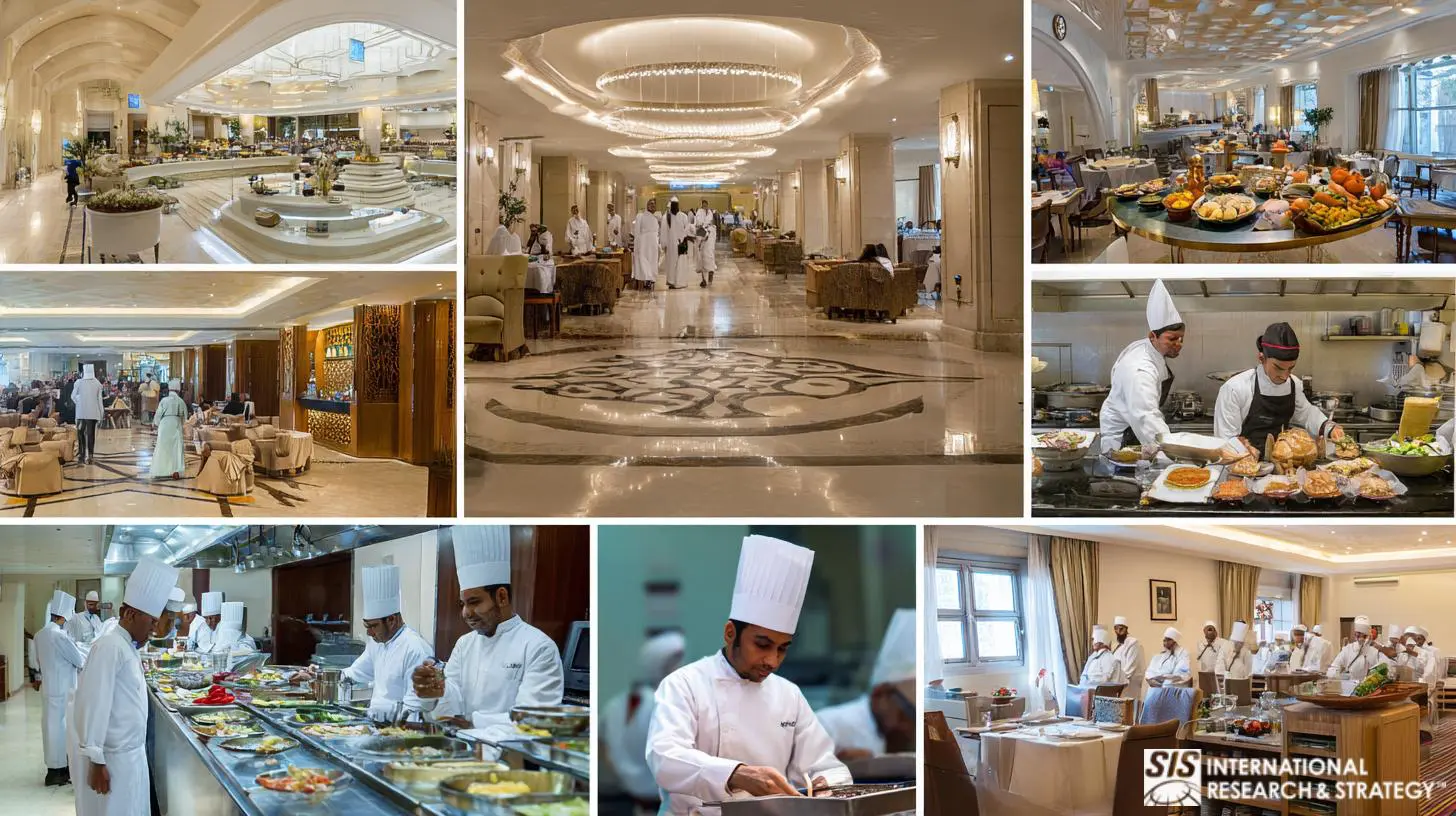
Two patterns distinguish high-return F&B research from the rest.
The first is outlet-level granularity. Brand-level consumer studies cannot diagnose why the Italian restaurant on the second floor underperforms while the lobby bar overperforms. Decisions get made at the outlet, so research has to be built at the outlet.
The second is integration with finance. Research that lands with the F&B director but never reaches the asset manager produces menu changes without pricing changes, or pricing changes without menu changes. The properties moving fastest pair sensory results directly with plate cost data and labor models before recommendations leave the room.
Hotel Food Beverage Market Research delivers when the structural questions, who is the real customer, what is the real competitive set, where does the margin actually sit, are answered with primary evidence rather than inherited assumption. SIS has supported branded hotel groups across Europe, the Americas, and Asia on exactly these questions through CLT design, ethnographic in-outlet research, and B2B operator interviews.
Key Questions

關於 SIS 國際
SIS國際 提供定量、定性和策略研究。我們為決策提供數據、工具、策略、報告和見解。我們也進行訪談、調查、焦點小組和其他市場研究方法和途徑。 聯絡我們 為您的下一個市場研究項目。

 ZH_HK
ZH_HK  EN
EN  AR
AR  ZH
ZH  NL
NL  FR
FR  DE
DE  IT
IT  JA
JA  KO
KO  PL
PL  PT
PT  ES
ES