
*
Consultoria em Estratégia Hoteleira
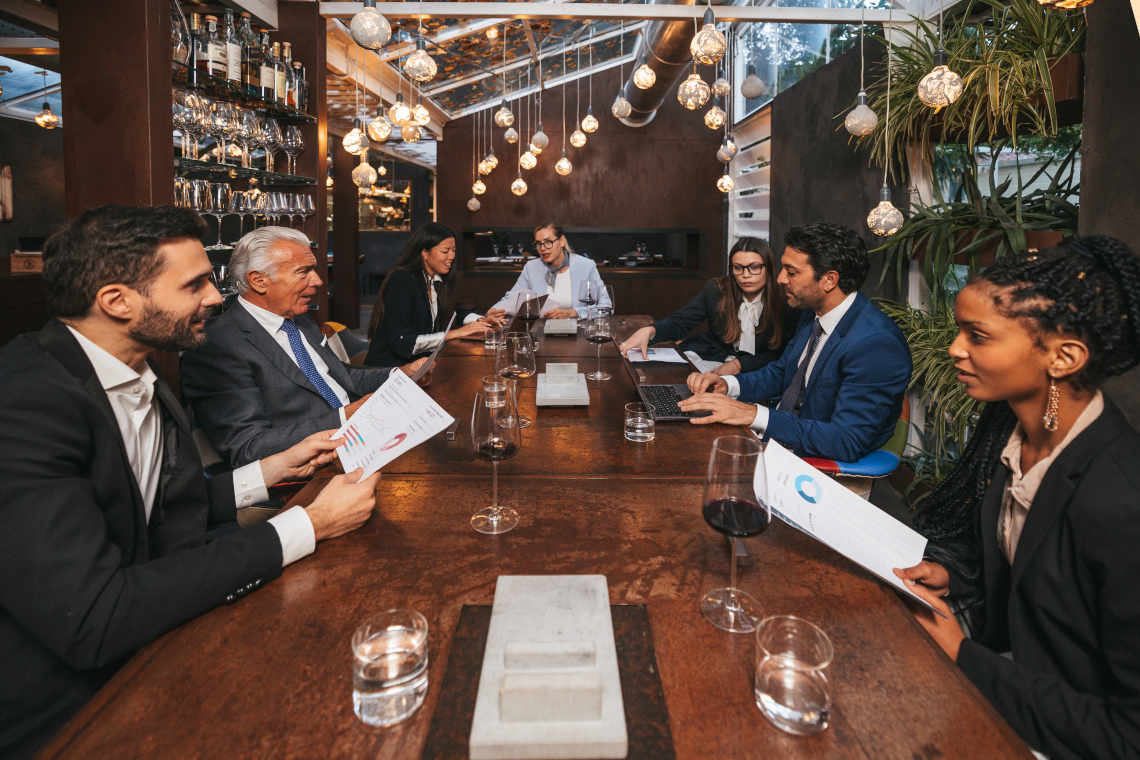
À medida que o setor hoteleiro passa por mudanças sísmicas alimentadas pelas mudanças nas preferências dos consumidores e pelos avanços tecnológicos, a consultoria estratégica hoteleira torna-se fundamental para os hotéis que pretendem prosperar neste ambiente dinâmico.
A consultoria estratégica hoteleira é uma parceria estratégica que equipa os hotéis com insights, táticas e perspectivas para navegar nas demandas em constante evolução do setor. Trata-se de reimaginar a forma como os hotéis operam, interagem com os clientes e definem o seu lugar no mercado global.
O que é consultoria de estratégia hoteleira?
Um dos aspectos centrais da consultoria estratégica hoteleira é a sua abordagem centrada no cliente. Os consultores analisam as preferências, comportamentos e tendências dos clientes para adaptar estratégias que se alinhem com as crescentes demandas do mercado. Isto envolve examinar meticulosamente as experiências dos hóspedes, a qualidade do serviço – e até mesmo as minúcias do feedback dos clientes. Ao compreender o que impulsiona a satisfação e a fidelidade do cliente, a consultoria estratégica hoteleira pode criar soluções específicas que superem as expectativas dos hóspedes.
Além disso, a consultoria estratégica hoteleira investiga os aspectos operacionais da administração de um hotel. Estas estratégias são concebidas para reforçar a saúde financeira e a posição de mercado do hotel, desde a optimização dos preços dos quartos e da gestão de receitas até à melhoria da eficiência operacional. A integração de soluções tecnológicas também desempenha um papel crucial aqui, permitindo aos hotéis aproveitar a análise de dados, a IA e as plataformas digitais para agilizar as operações e melhorar as experiências dos hóspedes.
Por que a consultoria estratégica hoteleira é importante?
A consultoria estratégica hoteleira combina uma perspectiva externa com conhecimento profundo do setor para identificar tendências emergentes, ameaças potenciais e oportunidades inexploradas. Este amplo ponto de vista permite que os hotéis se posicionem estrategicamente no mercado, adaptando-se às mudanças e capitalizando as novas tendências de forma mais eficaz do que os concorrentes.
Além disso, os consultores ajudam os hotéis a compreender profundamente os seus clientes, desde as suas preferências até aos seus processos de tomada de decisão, permitindo-lhes criar experiências personalizadas que repercutem nos hóspedes.
Além disso, a consultoria estratégica hoteleira impulsiona a eficiência operacional ao avaliar as práticas atuais e implementar soluções inovadoras. Isto muitas vezes envolve a adoção de novas tecnologias, como análises baseadas em IA ou sistemas automatizados, para aumentar a eficiência e fornecer insights baseados em dados para a tomada de decisões estratégicas.
Quais são os benefícios da consultoria estratégica hoteleira?
By engaging in this specialized form of consulting, hotels can expect to gain significant advantages that propel them ahead in the competitive hospitality industry.
- Vantagem Competitiva Aprimorada: A consultoria estratégica hoteleira fornece insights e estratégias que ajudam os hotéis a se diferenciarem no mercado. Isso pode incluir estratégias de marca exclusivas, ofertas de serviços inovadores ou adoção de tecnologias de ponta.
- Aumento da receita e lucratividade: Um dos principais objetivos da consultoria estratégica hoteleira é melhorar o desempenho financeiro do hotel. Isto é conseguido através de estratégias de preços otimizadas, táticas de marketing eficazes e processos operacionais simplificados que reduzem custos e aumentam as receitas.
- Adaptação às tendências e mudanças do mercado: A indústria hoteleira está em constante evolução. Os consultores de estratégia hoteleira mantêm-se atentos às últimas tendências e mudanças do mercado, equipando os hotéis com o conhecimento e as estratégias para se adaptarem e permanecerem relevantes.
- Eficiência operacional: Os consultores podem melhorar significativamente as operações diárias de um hotel, analisando as práticas operacionais atuais e introduzindo métodos e tecnologias mais eficientes. Isso leva a economia de custos e a uma operação geral mais suave e eficaz.
- Crescimento Estratégico e Expansão: Os consultores auxiliam os hotéis na identificação e busca de oportunidades de crescimento, seja através da expansão do mercado, novas ofertas de serviços ou outras iniciativas estratégicas. Esse planejamento estratégico é crucial para o sucesso e a escalabilidade a longo prazo.
Quem usa consultoria de estratégia hoteleira?
Proprietários e Operadores de Hotéis buscam orientação estratégica para aumentar a eficiência operacional, otimizar fluxos de receitas e melhorar a satisfação dos hóspedes. Ao colaborar com consultores experientes, os proprietários de hotéis podem identificar oportunidades inexploradas, mitigar riscos e alcançar um crescimento sustentável num mercado competitivo.
As empresas de gestão hoteleira aproveitam a consultoria estratégica para desenvolver e executar planos de negócios abrangentes, estratégias de posicionamento de marca e iniciativas de marketing. Com insights de especialistas do setor, as empresas de gestão podem refinar a sua proposta de valor, fortalecer o valor da marca e expandir estrategicamente o seu portfólio de propriedades.
Os promotores e investidores imobiliários recorrem à consultoria estratégica hoteleira para avaliar a viabilidade do mercado, realizar análises financeiras e avaliar oportunidades de investimento no setor hoteleiro. Ao estabelecer parcerias com consultores experientes, os promotores e investidores obtêm informações valiosas sobre as tendências do mercado, a dinâmica da procura e os cenários competitivos, permitindo-lhes tomar decisões informadas e otimizar o retorno do investimento.
Quando conduzir consultoria estratégica hoteleira?
Indicadores específicos sinalizam que talvez seja o momento certo para um hotel buscar essa orientação especializada. Por exemplo:
- Expansão ou Reestruturação de Operações: À medida que os hotéis consideram a expansão, seja através de novas propriedades, renovações ou diversificação de serviços, a orientação estratégica torna-se essencial. A consultoria pode ajudar a avaliar a viabilidade desses projetos e elaborar um plano que maximize as chances de sucesso.
- Declínio da satisfação ou receita dos hóspedes: Se um hotel notar uma queda nos índices de satisfação dos hóspedes ou uma queda nas receitas, é um indicador claro de que são necessárias mudanças operacionais ou estratégicas. A consultoria estratégica hoteleira pode identificar as causas desses problemas e recomendar soluções eficazes.
- Aumento da concorrência: Os hotéis podem ter dificuldade em manter a sua posição num mercado cada vez mais competitivo. A consultoria estratégica hoteleira pode fornecer novas perspectivas e estratégias inovadoras para ajudar os hotéis a permanecerem competitivos e relevantes.
Fatores críticos de sucesso para uma consultoria estratégica hoteleira de sucesso
Na dinâmica e competitiva indústria hoteleira, o sucesso da consultoria estratégica hoteleira depende de vários fatores-chave:
- Alinhamento estratégico: A consultoria estratégica hoteleira começa com uma compreensão profunda das metas, objetivos e posição competitiva do hotel no mercado. Os consultores devem alinhar as suas estratégias com a missão e visão abrangentes do hotel, garantindo que cada iniciativa contribui para o sucesso a longo prazo e para o crescimento sustentável.
- Análise e insights de mercado: Uma análise abrangente das tendências de mercado, preferências dos consumidores e estratégias da concorrência é essencial para uma tomada de decisão informada. Os consultores devem aproveitar a experiência do setor e a análise de dados para identificar oportunidades emergentes, antecipar mudanças no mercado e permanecer à frente da concorrência.
- Excelência operacional: A consultoria estratégica hoteleira eficaz vai além do planejamento estratégico para abordar ineficiências operacionais e melhorar o desempenho em todos os aspectos das operações do hotel. Os consultores trabalham em estreita colaboração com as equipes de gestão hoteleira para agilizar processos, otimizar recursos e melhorar as experiências dos hóspedes, impulsionando, em última análise, a lucratividade e a competitividade.
- Soluções inovadoras: A indústria hoteleira evolui constantemente, com novas tecnologias, tendências e expectativas dos consumidores remodelando o cenário. Os consultores devem fomentar uma cultura de inovação nas organizações hoteleiras, incentivando a experimentação e a criatividade para desenvolver ofertas diferenciadas e estar à frente das tendências do mercado.
- Abordagem colaborativa: A consultoria estratégica hoteleira bem-sucedida é um esforço colaborativo que envolve estreita colaboração entre consultores, gestão hoteleira e outras partes interessadas. Os consultores devem promover a comunicação aberta, a confiança e a transparência para garantir o alinhamento dos objetivos e a implementação eficaz das estratégias.
Perguntas a serem feitas antes de realizar consultoria estratégica hoteleira
Antes de embarcar em um trabalho de consultoria estratégica hoteleira, é essencial fazer as perguntas certas para garantir o sucesso e a eficácia do processo de consultoria. Aqui estão algumas questões importantes a serem consideradas:
Quais são os Objectivos Estratégicos do Hotel?
Compreender as metas e objetivos globais do hotel é crucial para alinhar o compromisso de consultoria com a visão e missão do hotel. Os consultores devem esclarecer as prioridades estratégicas do hotel, as metas de crescimento e as áreas de foco para adaptar as suas recomendações de acordo.
Quais são os desafios e pontos problemáticos atuais?
Identificar os desafios atuais, os pontos fracos e as áreas de melhoria do hotel fornece informações valiosas sobre as questões subjacentes que precisam ser abordadas. Os consultores devem avaliar minuciosamente as operações do hotel, as métricas de desempenho e o feedback dos hóspedes para identificar áreas de oportunidade.
Qual é o cenário competitivo?
A análise do cenário competitivo ajuda os consultores a compreender o posicionamento do hotel em relação aos concorrentes, tendências de mercado e ameaças emergentes. Os consultores devem avaliar o desempenho dos concorrentes, a dinâmica do mercado e as preferências dos hóspedes para identificar vantagens competitivas e áreas de diferenciação.
Qual é o mercado-alvo e a segmentação de clientes?
Compreender o mercado-alvo do hotel e a segmentação dos clientes é essencial para o desenvolvimento de estratégias personalizadas que repercutam no público-alvo. Os consultores devem analisar a demografia, as preferências e os padrões de reserva dos hóspedes para identificar os segmentos-alvo e adaptar os esforços de marketing de acordo.
Quais recursos e capacidades estão disponíveis?
Avaliar os recursos, capacidades e prontidão organizacional do hotel é fundamental para garantir a viabilidade e implementação das estratégias recomendadas. Os consultores devem avaliar a infraestrutura, os sistemas tecnológicos, os recursos humanos e as capacidades financeiras do hotel para alinhar as recomendações com a capacidade de execução do hotel.
Quais indicadores-chave de desempenho (KPIs) medirão o sucesso?
O estabelecimento de indicadores-chave de desempenho (KPIs) ajuda a acompanhar o progresso, monitorar o desempenho e avaliar o impacto das recomendações de consultoria. Os consultores devem trabalhar em colaboração com a equipa de gestão do hotel para definir KPIs mensuráveis que se alinhem com os objectivos estratégicos e forneçam uma base para avaliar o sucesso do trabalho de consultoria.
Quais são as diferenças entre consultoria de estratégia hoteleira e pesquisa de mercado tradicional?
A pesquisa de mercado tradicional concentra-se principalmente na coleta e análise de dados sobre tendências de mercado, preferências dos clientes e atividades dos concorrentes. Trata-se de compreender o “quê” e o “porquê” da dinâmica do mercado.
Em contraste, a consultoria estratégica hoteleira vai vários passos além. Aplica esse conhecimento para desenvolver soluções estratégicas e sob medida para hotéis. Este tipo de consultoria aborda o “como” – como se adaptar às mudanças do mercado, melhorar as operações e inovar nos serviços e nas experiências dos hóspedes.
Além disso, a consultoria estratégica hoteleira geralmente envolve uma abordagem prática. Os consultores trabalham em estreita colaboração com a gestão e o pessoal do hotel, aprofundando-se nos aspectos operacionais do hotel para identificar áreas de melhoria e implementar mudanças. Isto poderia incluir a redefinição de protocolos de serviço, a otimização da gestão de receitas ou a integração de novas tecnologias para melhorar as experiências dos hóspedes.
Resultados esperados da consultoria de estratégia hoteleira da SIS International
Os serviços de consultoria em estratégia hoteleira da SIS International são projetados para fornecer resultados tangíveis que impulsionam o sucesso dos negócios e maximizam o retorno do investimento. Aqui estão alguns dos resultados esperados:
- Competitividade aprimorada: Ao aproveitar os insights estratégicos e a experiência do setor da SIS International, os hotéis podem aumentar a sua competitividade no mercado. Os hotéis podem criar uma identidade única e atrair uma base de clientes fiéis através de posicionamento de mercado direcionado, ofertas diferenciadas e estratégias inovadoras, ganhando assim uma vantagem competitiva sobre os rivais.
- Desempenho de receita otimizado: A consultoria da SIS International visa otimizar o desempenho das receitas, identificando fluxos de receitas, maximizando estratégias de preços e implementando práticas eficazes de gestão de receitas. Ao otimizar as taxas de ocupação, as tarifas médias diárias e a receita por quarto disponível (RevPAR), os hotéis podem maximizar o potencial de receita e alcançar um crescimento sustentável num ambiente de mercado competitivo.
- Eficiência Operacional Melhorada: Trabalhamos em estreita colaboração com equipes de gestão hoteleira para identificar ineficiências, agilizar processos e aumentar a produtividade. Ao implementar as melhores práticas em áreas como formação de pessoal, compras e gestão de inventário, os hotéis podem melhorar a eficiência operacional, reduzir custos e melhorar o desempenho geral.
- Maior satisfação dos hóspedes: Nossos serviços se concentram em ajudar os hotéis a aumentar a satisfação e a fidelidade dos hóspedes por meio de serviços personalizados, experiências superiores aos hóspedes e comodidades inovadoras. Ao compreender as preferências e expectativas dos hóspedes, os hotéis podem adaptar as suas ofertas para satisfazer e exceder as necessidades dos hóspedes, resultando num aumento da satisfação dos hóspedes, avaliações positivas e novos negócios.
Oportunidades e desafios para as empresas
A consultoria em estratégia hoteleira abre muitas oportunidades para empresas do setor hoteleiro, permitindo-lhes aprimorar suas operações, experiências dos hóspedes e posição geral no mercado. Vamos explorar algumas dessas oportunidades principais:
- Diferenciação de mercado e branding: A consultoria estratégica hoteleira pode ajudar as empresas no desenvolvimento de uma identidade de marca e posição de mercado únicas. Esta diferenciação é crucial num mercado concorrido, ajudando os hotéis a atrair e reter hóspedes que procuram experiências distintas.
- Melhoria da experiência do cliente: Ao compreender e antecipar as necessidades dos hóspedes, os hotéis podem melhorar a oferta de serviços. Isto inclui serviços personalizados aos hóspedes, programas de fidelidade e o aproveitamento da tecnologia para experiências perfeitas, tudo contribuindo para uma maior satisfação e fidelidade dos hóspedes.
- Integração Tecnológica: Numa indústria cada vez mais impulsionada pela tecnologia, a consultoria pode ajudar os hotéis a identificar e integrar as soluções tecnológicas certas para melhorar as operações e os serviços aos hóspedes, tais como sistemas de IA, IoT e CRM.
- Práticas Sustentáveis: Com um foco crescente na sustentabilidade, os consultores podem ajudar os hotéis na implementação de práticas e políticas ecológicas que beneficiem o ambiente e atraiam viajantes ecologicamente conscientes.
- Expansão e localização globais: Para os hotéis que procuram expandir-se para novos mercados, os consultores oferecem informações valiosas sobre a dinâmica do mercado local, nuances culturais e conformidade regulamentar, garantindo uma abordagem bem-sucedida e personalizada para cada novo empreendimento.
Desafios para as empresas
Embora a consultoria estratégica hoteleira ofereça inúmeros benefícios, ela também traz desafios que as empresas precisam superar – e reconhecer e enfrentar esses desafios é crucial para a implementação bem-sucedida de estratégias de consultoria.
- Adaptando-se às rápidas mudanças do mercado: A indústria hoteleira é dinâmica, com mudanças frequentes nas preferências dos consumidores, avanços tecnológicos e fatores económicos. Manter-se ágil e responsivo a estas mudanças continua a ser um desafio significativo para os hotéis.
- Integrando Novas Tecnologias: Embora a tecnologia ofereça imensos benefícios, a integração de novos sistemas nas operações existentes pode ser complexa. É necessária uma integração suave sem interromper os serviços contínuos, a formação do pessoal e a adaptação.
- Equilibrando custo e investimento: Investir em novas estratégias e tecnologias pode custar caro. Os hotéis devem equilibrar os custos imediatos com os benefícios a longo prazo, garantindo que os investimentos conduzem a um ROI substancial.
- Preocupações com segurança de dados e privacidade: Com o uso crescente de análise de dados e ferramentas digitais, proteger os dados dos hóspedes e cumprir os regulamentos de privacidade é uma preocupação e um desafio crescentes.
- Resistência Cultural e Operacional: Por vezes, pode ocorrer resistência dentro da organização a novas estratégias e mudanças, especialmente se estas alterarem significativamente as práticas estabelecidas ou as normas culturais.
Como os serviços de consultoria em estratégia hoteleira da SIS International ajudam as empresas
A SIS oferece serviços abrangentes de consultoria em estratégia hoteleira com o objetivo de ajudar as empresas do setor hoteleiro a atingirem seus objetivos estratégicos e impulsionarem o crescimento sustentável. Veja como a experiência e os serviços da SIS International agregam valor aos hotéis e empresas de hospitalidade:
Planejamento estratégico
Nossos especialistas colaboram estreitamente com proprietários de hotéis, equipes de gestão e partes interessadas para desenvolver planos estratégicos adaptados às necessidades e objetivos exclusivos do hotel. A SIS International ajuda os hotéis a identificar oportunidades de crescimento, mitigar riscos e desenvolver estratégias viáveis que impulsionam o sucesso a longo prazo, conduzindo análises minuciosas das tendências do mercado, cenários competitivos e capacidades internas.
Análise e Posicionamento de Mercado
A SIS International fornece análises de mercado aprofundadas e estratégias de posicionamento para ajudar os hotéis a se diferenciarem em um mercado competitivo. Ao identificar mercados-alvo, segmentos de clientes e vantagens competitivas, ajudamos os hotéis a desenvolver propostas de valor atraentes, a melhorar o posicionamento da marca e a capitalizar as tendências emergentes para atrair e reter hóspedes.
Otimização de receita
A SIS auxilia os hotéis na otimização do desempenho das receitas através de preços estratégicos, gestão de receitas e estratégias de distribuição. Ao aproveitar análises avançadas, inteligência de mercado e sistemas de gestão de receitas, ajudamos os hotéis a maximizar o potencial de receitas, a otimizar estratégias de preços e a alcançar um crescimento sustentável num ambiente de mercado dinâmico.
Excelência operacional
A SIS International trabalha com equipes de gestão hoteleira para melhorar a eficiência operacional, aprimorar as experiências dos hóspedes e impulsionar a lucratividade. A SIS ajuda os hotéis a simplificar as operações, reduzir custos e fornecer serviços excepcionais que excedem as expectativas dos hóspedes, conduzindo avaliações operacionais, otimizações de processos e iniciativas de treinamento de pessoal.
Inovação e Integração Tecnológica
Ajudamos os hotéis a adotar a inovação e a tecnologia para se manterem à frente das tendências do mercado e satisfazerem as crescentes expectativas dos hóspedes. Ao identificar tecnologias emergentes, tendências e melhores práticas, a SIS International ajuda os hotéis a inovar as suas ofertas, melhorar as experiências dos hóspedes e aproveitar os canais digitais para gerar receitas e envolvimento.
Parcerias Colaborativas
A SIS promove parcerias com hotéis, fornecedores e partes interessadas do setor para facilitar o compartilhamento de conhecimento, melhores práticas e insights do setor. Ao aproveitar a sua extensa rede e experiência no setor, a nossa equipa liga os hotéis a recursos valiosos, oportunidades e alianças estratégicas que melhoram a sua competitividade e posição no mercado.
Sobre SIS Consultoria Internacional
A SIS International Consulting é especializada em fornecer soluções estratégicas personalizadas para empresas em todo o mundo. Nossos consultores especializados oferecem serviços abrangentes de consultoria em entrada no mercado, expansão de negócios, planejamento estratégico e desenvolvimento organizacional. Fazemos parcerias com os clientes, desde a análise de mercado até o suporte à implementação, para impulsionar o crescimento sustentável e a vantagem competitiva. Entre em contato conosco para explorar como nossa experiência em consultoria pode capacitar seu negócio.

 PT
PT  EN
EN  AR
AR  ZH
ZH  ZH_HK
ZH_HK  NL
NL  FR
FR  DE
DE  IT
IT  JA
JA  KO
KO  PL
PL  ES
ES