
E o Vento Levou? A crise financeira e a energia eólica
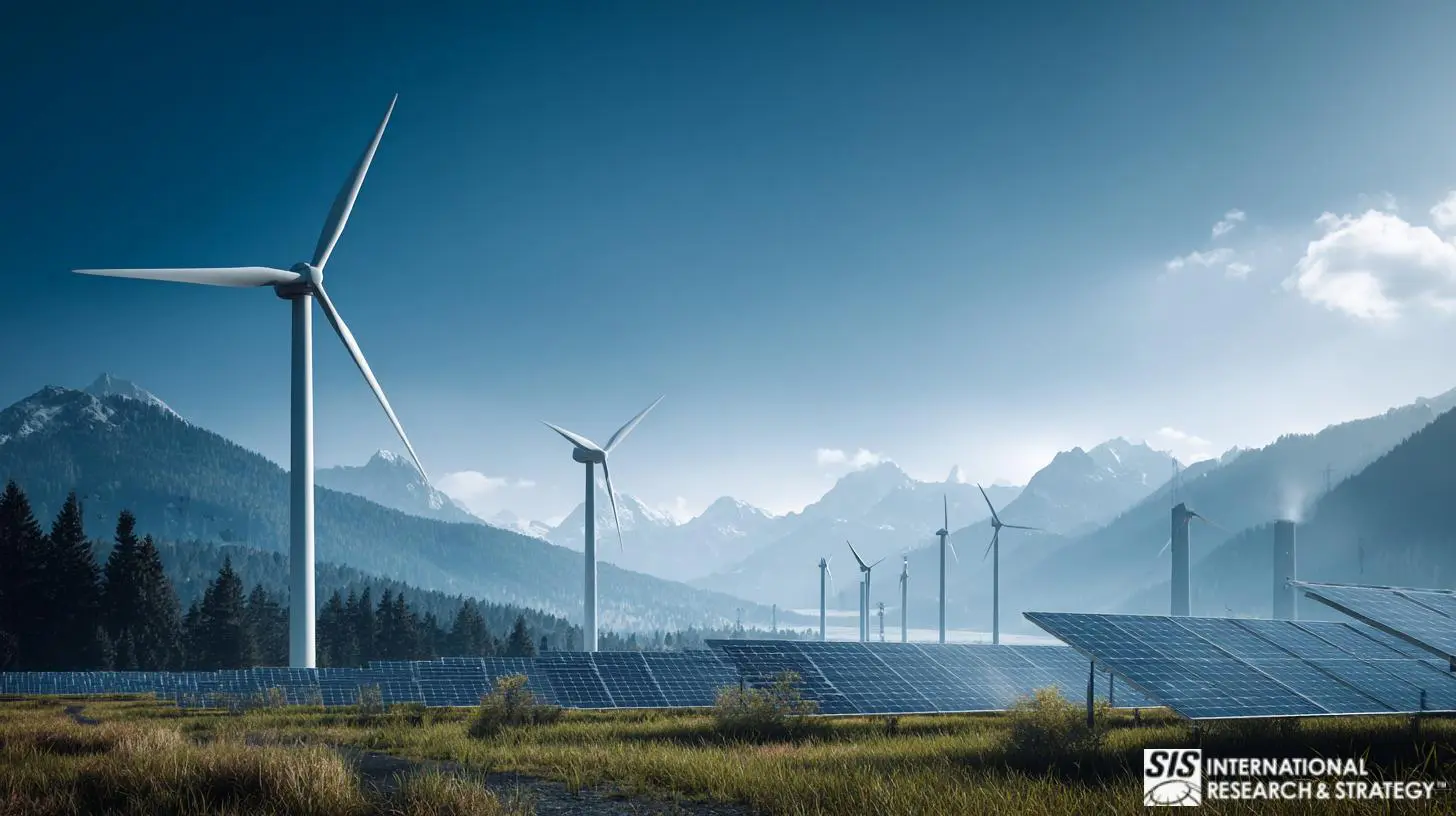
Undoubtedly, the global financial crisis is impacting the previously high-growth energy sectors. The wind energy sector has witnessed dramatic growth over the past 10 years. Our researchers explored some of the ways the financial crisis has impacted the wind industry.
Wind energy has been one of the fastest-growing renewable energy sources over the past two decades, but the global financial crisis has introduced new economic and financial challenges. While the industry has proven resilient, the shifting financial landscape has altered investment patterns, policy incentives, and the overall growth trajectory of wind energy worldwide.
No A SIS International Research, we examine how financial downturns impact renewable energy investments and explore the opportunities and risks shaping the future of wind energy.
O impacto financeiro da recessão na energia eólica
- Aumento do custo da dívida dos projetos de energia eólica
- This increase in the cost of debt is often offset by a decrease in the central bank’s rates
- Grandes projetos podem arrecadar dinheiro
- Níveis mais baixos previstos de atividade económica
- Poucas indústrias beneficiarão das alterações climáticas
- Volumes de empréstimos e redução das receitas
Indeed, the wind energy industry is subject to the whims of the financial crisis. It is interesting to note the long-term advantages of wind energy and power generation. Wind energy in power generation holds several long-term advantages that other methods of power generation do not.
Advantages of Wind Energy
- Sem flutuações nos preços globais das commodities
- Sem questões geopolíticas
- Sem custos de combustível
- Sem uso de água, sem uso de óleo, sem desperdício, sem emissões, custos de combustível, sem emissões
- Custo competitivo
Yet, Wind Energy faces very important challenges that impact its integration into the energy grid and a nation’s energy mix.
Why Wind Energy Remains a Strong Investment
Despite financial barriers, wind energy continues to offer key advantages over traditional energy sources.
1. Price Stability
Unlike fossil fuel markets that are subject to extreme price volatility, wind energy offers stable, predictable costs, making it a reliable long-term investment.
2. Energy Independence and Security
Countries with strong wind energy infrastructure reduce their dependence on imported fossil fuels, increasing energy security and reducing geopolitical risks.
3. Environmental and Sustainability Benefits
Wind energy is among the cleanest power sources available, with zero fuel costs, minimal land disruption, and no greenhouse gas emissions. As global carbon reduction goals become more ambitious, wind energy is a crucial solution to achieving net-zero targets.
4. Cost Competitiveness
Technological advances have significantly reduced the cost of wind energy production, making it increasingly competitive with conventional power sources such as coal and natural gas.
Challenges Facing Wind Energy Development
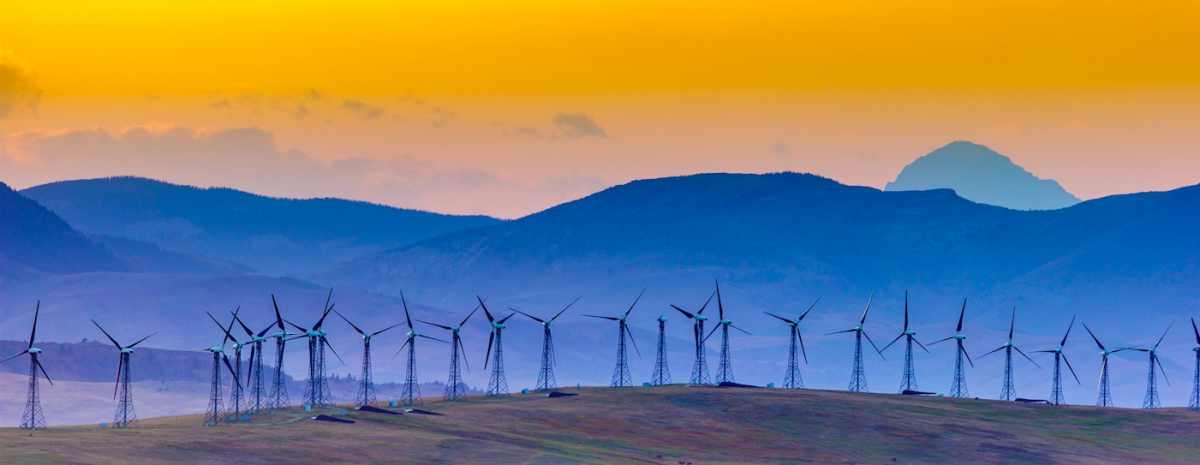
Despite its advantages, wind energy still faces hurdles that must be addressed to ensure its continued expansion.
1. Grid Integration and Infrastructure Gaps
One of the biggest challenges for wind energy is integrating intermittent power supply into existing energy grids. Upgrading grid infrastructure and investing in energy storage solutions are essential to improve reliability.
2. Reliance on Government Incentives
The wind industry has benefited from government subsidies, tax credits, and feed-in tariffs. However, long-term financial sustainability depends on developing cost-efficient models that are viable without government incentives.
3. Aesthetic and Land Use Concerns
Wind farms, particularly onshore installations, sometimes face opposition due to visual impact, noise concerns, and land use competition with agricultural or residential areas.
4. Capacity Limitations Compared to Traditional Power Plants
While wind energy is rapidly growing, individual wind farms typically generate lower output compared to conventional power plants. To meet energy demand, widespread deployment and improved efficiency are necessary.
Principais líderes de mercado
- GE Energia
- Vestas
- Siemens AG
- Gamesa Corporação Tecnológica
- Indústrias Pesadas Mitsubishi
- Suzlon Energia Limitada
- Energia Eólica Clipper
- Nórdico
The Future of Wind Energy
1. Technological Innovations in Wind Power
Future developments in wind energy will focus on:
-
-
Larger, more efficient turbines with advanced materials.
-
Energy storage integration to manage fluctuations in wind power generation.
-
Smart grid technology to enhance grid stability and reliability.
-
2. The Role of Policy and Regulation
Governments worldwide are implementing stricter carbon reduction goals and renewable energy mandates. Strong policy support will be essential for continued wind energy expansion.
3. New Financing Models for Wind Energy
With evolving financial markets, green bonds, corporate sustainability funds, and public-private partnerships will play an increasing role in funding wind energy projects.
4. Public Perception and Market Adoption
As consumer awareness of climate change grows, demand for clean energy solutions is expected to increase. Iniciativas de sustentabilidade corporativa are also driving demand for renewable energy procurement.
Localização de nossas instalações em Nova York
11 E 22nd Street, andar 2, Nova York, NY 10010 T: +1(212) 505-6805
Sobre SIS Internacional
SIS Internacional oferece pesquisa quantitativa, qualitativa e estratégica. Fornecemos dados, ferramentas, estratégias, relatórios e insights para a tomada de decisões. Também realizamos entrevistas, pesquisas, grupos focais e outros métodos e abordagens de Pesquisa de Mercado. Entre em contato conosco para o seu próximo projeto de pesquisa de mercado.


 PT
PT  EN
EN  AR
AR  ZH
ZH  ZH_HK
ZH_HK  NL
NL  FR
FR  DE
DE  IT
IT  JA
JA  KO
KO  PL
PL  ES
ES