
Grupy fokusowe na temat alkoholu: napoje alkoholowe i bezalkoholowe

Wraz ze zmianą preferencji i trendów marki muszą być na bieżąco z tym, czego chcą ich klienci – a grupy fokusowe na temat alkoholu zapewniają potężne narzędzie do uzyskiwania dogłębnych informacji na temat preferencji, motywacji i percepcji konsumentów. Dzięki tym dyskusjom marki alkoholowe mogą lepiej zrozumieć swoją grupę docelową, badać pojawiające się trendy i podejmować świadome decyzje zgodne z wymaganiami rynku.
Zrozumienie preferencji konsumentów w zakresie spożycia alkoholu
Grupy fokusowe na temat alkoholu odkrywają szczegółowe informacje na temat preferencji konsumentów. Łącząc różnych uczestników, te sesje dostarczają markom alkoholi nieocenioną informację zwrotną na temat smaku, opakowania i ogólnego doświadczenia.
Różne regiony wykazują różne preferencje, jeśli chodzi o spożycie alkoholu. Na przykład w USA piwa rzemieślnicze i napoje spirytusowe premium zyskały na popularności, podczas gdy rynki europejskie mogą skłaniać się ku winu i tradycyjnym napojom alkoholowym. Dlatego grupy fokusowe ds. alkoholu umożliwiają markom dostosowywanie swoich produktów do tych regionalnych różnic, zapewniając, że spełniają one wymagania lokalnych konsumentów.
Ponadto te grupy fokusowe są niezbędne do identyfikacji pojawiających się trendów. W miarę ewolucji gustów konsumentów marki muszą być na czele, dostosowując się do nowych preferencji, niezależnie od tego, czy chodzi o opcje niskoalkoholowe, czy unikalne połączenia smakowe. Ta dynamiczna informacja zwrotna od grup fokusowych na temat alkoholu pozwala firmom wprowadzać innowacje i pozostawać konkurencyjnymi na ciągle zmieniającym się rynku napojów.
Znaczenie grup fokusowych w badaniach rynku alkoholowego

Grupy fokusowe na temat alkoholu są nieocenione na rynku alkoholowym, ponieważ oferują głębokie, jakościowe spostrzeżenia, których często brakuje innym metodom badawczym, takim jak ankiety lub analizy. Podczas gdy dane ilościowe mogą pokazywać szerokie trendy konsumenckie, nie zawsze wyjaśniają „dlaczego” stojące za tymi trendami. Grupy fokusowe na temat alkoholu pozwalają markom badać motywacje, postawy i emocjonalne czynniki wpływające na decyzje zakupowe, pomagając markom lepiej zrozumieć ich rynek docelowy.
Na przykład w typowej grupie fokusowej uczestnicy mogą udzielić szczegółowych informacji zwrotnych na temat tego, co im się podoba lub nie podoba w smaku, opakowaniu lub marce danego produktu. Ta bezpośrednia interakcja pomaga odkryć niuanse preferencji, które mogą być trudne do uchwycenia za pomocą innych metod. Ponadto grupy fokusowe umożliwiają interaktywne dyskusje, umożliwiając uczestnikom budowanie na pomysłach innych, co często prowadzi do bogatszych spostrzeżeń.
Kolejną kluczową zaletą grupy fokusowe ds. alkoholu to możliwość oceny reakcji konsumentów na nowe lub eksperymentalne produkty, zanim trafią one na rynek. Marki mogą wprowadzać prototypy napojów, nowe smaki lub koncepcje opakowań, aby zobaczyć z pierwszej ręki, jak reagują konsumenci. Ta wczesna informacja zwrotna jest kluczowa w zapobieganiu kosztownym błędom i zapewnianiu, że produkty znajdą oddźwięk u konsumentów.
Ponadto grupy fokusowe na temat alkoholu są szczególnie przydatne do eksploracji pojawiających się trendów w branży, takich jak wzrost napojów o niskiej zawartości alkoholu, bezalkoholowych i rzemieślniczych. Te nisze rynkowe szybko się rozwijają, a grupy fokusowe zapewniają platformę do zrozumienia specyficznych preferencji konsumentów napędzających te trendy. Wnioski z takich dyskusji mogą pomóc w opracowaniu produktu, budowaniu marki i strategiach marketingowych, zapewniając, że marki będą wyprzedzać trendy.
Kluczowe wnioski uzyskane z grup fokusowych na temat alkoholu
Grupy fokusowe na temat alkoholu dostarczają licznych spostrzeżeń, które mogą kształtować oferty produktów i strategie marketingowe w branży alkoholowej. Oto niektóre z kluczowych obszarów, w których grupy fokusowe pomagają markom uzyskać głębsze zrozumienie:
- Preferencje konsumentów: Marki mogą dowiedzieć się, czy konsumenci wolą słodszy czy bardziej gorzki smak, jaki rodzaj projektu opakowania przyciąga ich uwagę lub co sądzą o zrównoważonym rozwoju produktu. Te spostrzeżenia pozwalają markom dostosować swoją ofertę produktów do pragnień konsumentów.
- Lojalność wobec marki i zachowania związane ze zmianą marki: Poprzez grupy fokusowe na temat alkoholu marki mogą badać powody lojalności klientów lub to, co skłania ich do przejścia na konkurencyjne produkty. Zrozumienie, dlaczego konsumenci trzymają się konkretnej marki — czy to ze względu na smak, marketing, czy postrzeganą jakość — pomaga markom wzmocnić relacje z obecnymi klientami.
- Trendy w spożyciu alkoholu: Ostatnie zmiany w kierunku napojów o niskiej zawartości alkoholu i bezalkoholowych, rzemieślniczych alkoholi lub opcji prozdrowotnych można szczegółowo zbadać. Na przykład uczestnicy grup fokusowych na temat alkoholu mogą wyrażać rosnące zainteresowanie napojami, które są zgodne z ich wyborami dotyczącymi stylu życia, takimi jak opcje bezglutenowe lub organiczne.
- Różnice kulturowe i demograficzne: Grupy fokusowe na temat alkoholu pozwalają markom segmentować odbiorców na podstawie wieku, płci, lokalizacji lub stylu życia, ujawniając konkretne preferencje w każdym segmencie. Na przykład młodsi konsumenci mogą stawiać na modne opakowania, podczas gdy starsi konsumenci skupiają się na jakości składników.
Wgląd w rozwój produktu i budowanie marki
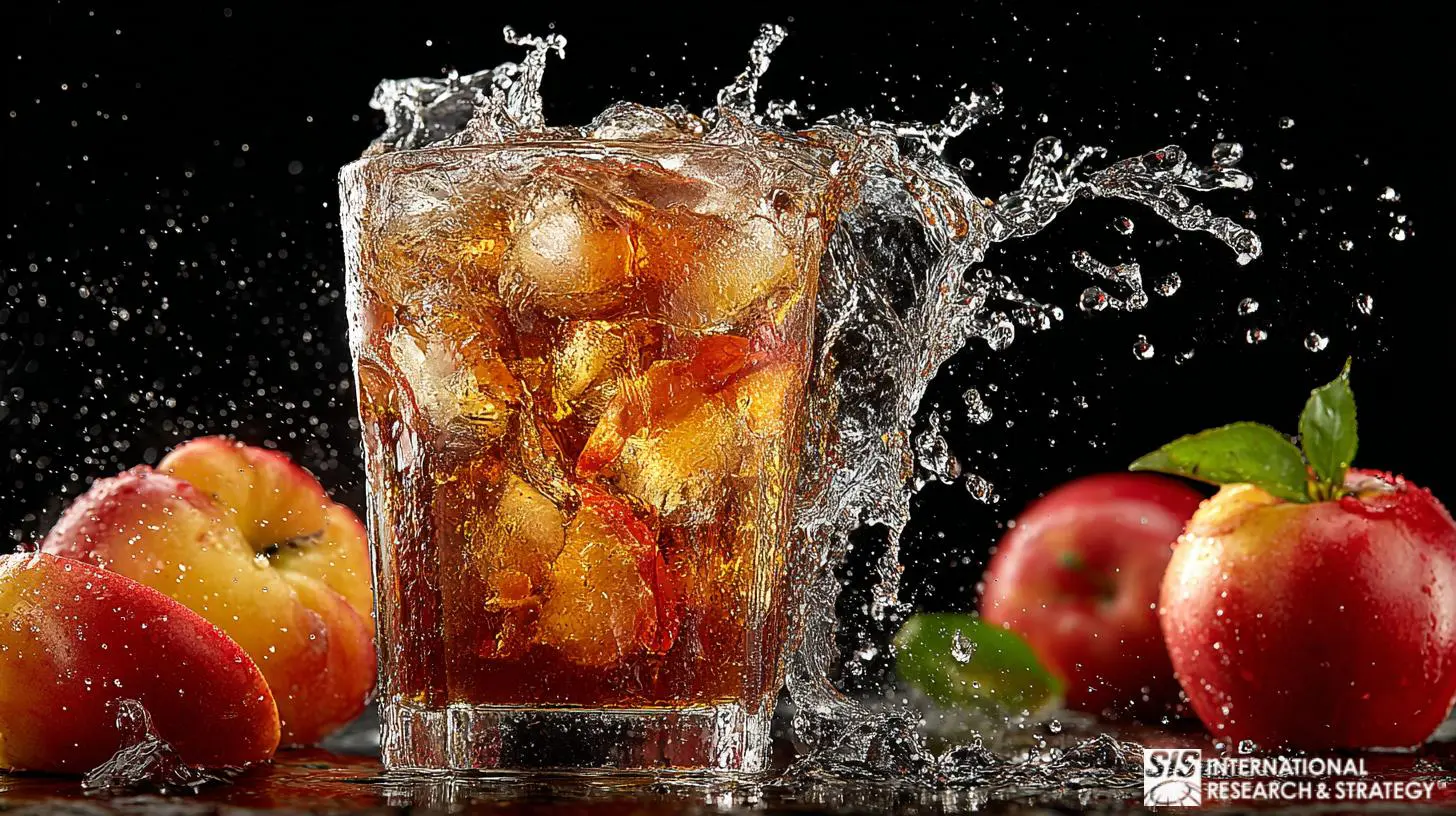
Grupy fokusowe ds. alkoholu udoskonalają strategie rozwoju produktów i budowania marki. Poprzez bezpośrednią współpracę z klientami docelowymi firmy mogą zbierać natychmiastowe opinie na temat takich aspektów, jak smak, opakowanie i prezentacja, co jest kluczowe dla dopracowania przed wprowadzeniem produktu na szerszy rynek.
Konsumenci uczestniczący w grupach fokusowych na temat alkoholu dostarczają rzeczywistych spostrzeżeń na temat tego, w jaki sposób elementy brandingu, takie jak logo, slogany i schematy kolorów, rezonują z ich postrzeganiem jakości i wartości. Ta informacja zwrotna pomaga markom stworzyć silniejszą więź z grupą docelową, zapewniając, że ich przekaz i identyfikacja wizualna są zgodne z oczekiwaniami konsumentów.
Ponadto te grupy fokusowe są skutecznym sposobem oceny sukcesu projektów opakowań. Niezależnie od tego, czy produkt jest pozycjonowany jako produkt premium, przyjazny dla środowiska czy masowy, opinie na temat etykietowania, materiałów i ogólnej prezentacji mogą decydować o odbiorze produktu na konkurencyjnym rynku.
Grupy fokusowe: napoje alkoholowe i bezalkoholowe
Wraz ze wzrostem liczby konsumentów poszukujących zdrowszych alternatyw, grupy fokusowe odgrywają kluczową rolę w kierowaniu markami, gdy wchodzą na nowe kategorie produktów, w tym opcje niskoalkoholowe i bezalkoholowe. Wykorzystując te grupy fokusowe, marki mogą lepiej zrozumieć motywacje stojące za wyborami konsumentów, takie jak preferencje dotyczące umiaru lub decyzje świadome zdrowia.
Podczas tych sesji uczestnicy dzielą się swoimi oczekiwaniami i preferencjami dotyczącymi alkoholowy i oferty bezalkoholowe. Grupy fokusowe ds. alkoholu pozwalają firmom testować innowacyjne smaki, oceniać atrakcyjność napojów bezalkoholowych i badać, jak dobrze te alternatywy pasują do sytuacji społecznych, w których tradycyjnie dominują napoje alkoholowe.
Ponadto grupy fokusowe ds. alkoholu pomagają markom określić, jak wprowadzać na rynek te nowe produkty. Oferują one wgląd w skuteczne komunikaty, które podkreślają zalety napojów bezalkoholowych, takie jak korzyści zdrowotne, bez alienowania tradycyjnych konsumentów produktów alkoholowych.
Rozważania regulacyjne i bezpieczeństwo konsumentów
Jednym z kluczowych obszarów jest etykietowanie i ostrzeżenia zdrowotne związane z alkoholem. Grupy fokusowe dostarczają wglądu w to, jak dobrze konsumenci rozumieją i reagują na obowiązkowe etykiety dotyczące zawartości alkoholu, limitów spożycia i potencjalnych zagrożeń dla zdrowia. Ta informacja zwrotna jest niezbędna, aby marki alkoholi spełniały wymogi prawne, jednocześnie utrzymując pozytywny wizerunek marki.
Ponadto bezpieczeństwo konsumentów jest coraz większym problemem w branży alkoholowej, szczególnie w obliczu rosnącej świadomości na temat odpowiedzialnego picia. Grupy fokusowe ds. alkoholu pozwalają markom ocenić, jak konsumenci reagują na kampanie dotyczące bezpieczeństwa, ostrzeżenia o nadmiernym spożyciu i działania mające na celu promowanie umiaru. Ten wkład pomaga firmom zrównoważyć zgodność z przepisami ze strategiami marketingowymi, które są zgodne z celami zdrowia publicznego.
Jak testować napoje alkoholowe i bezalkoholowe w grupach fokusowych w Nowym Jorku
Różnorodna baza klientów w Nowym Jorku sprawia, że jest to idealne miejsce do testowania napojów alkoholowych i bezalkoholowych za pośrednictwem grup fokusowych. Umożliwia firmom zbieranie cennych informacji na temat preferencji smakowych, atrakcyjności opakowań, skuteczności marketingu i postrzegania produktu. Dlatego prowadzenie grup fokusowych na tak dynamicznym rynku umożliwia firmom dostosowywanie oferty napojów do lokalnych i krajowych oczekiwań konsumentów – a oto, w jaki sposób firmy mogą skutecznie testować swoje napoje w grupach fokusowych w Nowym Jorku:
1. Wykorzystaj zróżnicowaną demografię Nowego Jorku
Populacja Nowego Jorku oferuje różne segmenty demograficzne i styl życia, do których firmy produkujące napoje mogą dotrzeć. Nowy Jork oferuje przekrój niemal każdego profilu konsumenta, od świadomych zdrowia konsumentów zainteresowanych napojami bezalkoholowymi po tych, którzy preferują piwa rzemieślnicze lub napoje spirytusowe premium. Organizując grupy fokusowe skierowane do określonych grup — takich jak pokolenie milenialsów, pokolenie Z lub zamożni profesjonaliści — marki mogą uzyskać szczegółowe informacje na temat tego, jak różne grupy demograficzne reagują na ich produkty.
2. Oceń profile smakowe i preferencje smakowe
Testowanie smaku napojów jest kluczowe dla sukcesu produktów alkoholowych i bezalkoholowych. Grupy fokusowe zapewniają idealne warunki do testów smaku, w których uczestnicy mogą porównywać różne smaki lub formuły w kontrolowanym środowisku. W przypadku napojów alkoholowych marki mogą badać preferencje dotyczące różnych rodzajów napojów — takich jak piwa rzemieślnicze, wina lub napoje spirytusowe — i określać, jak dobrze ich produkt wypada na tle konkurencji. W przypadku napojów bezalkoholowych firmy mogą testować nowe formuły napojów energetycznych, soków lub napojów poprawiających samopoczucie, aby sprawdzić, jak smaki rezonują z grupą docelową.
3. Przetestuj projekt opakowania i atrakcyjność marki
Firmy mogą przedstawiać uczestnikom różne wzory etykiet, kształty butelek i materiały opakowaniowe oraz zbierać opinie na temat tego, co ich najbardziej przyciąga. Jest to szczególnie ważne dla marek, które chcą przyciągnąć świadomych ekologicznie konsumentów, ponieważ grupy fokusowe mogą ujawnić, czy zrównoważone opcje opakowań mają znaczący wpływ na decyzje zakupowe. Rozumiejąc, jakie elementy wizualne są atrakcyjne dla Nowojorczyków, marki mogą tworzyć opakowania, które wyróżniają się na półkach na wysoce konkurencyjnym rynku.
4. Zmierz reakcje na marketing i pozycjonowanie produktu
Oprócz testowania samych napojów, firmy mogą wykorzystywać grupy fokusowe, aby ocenić, jak dobrze ich komunikaty marketingowe są zgodne z oczekiwaniami konsumentów. Marki mogą przedstawiać uczestnikom różne koncepcje reklamowe, slogany i kampanie promocyjne i sprawdzać, które pomysły najbardziej do nich przemawiają. W przypadku napojów alkoholowych marki mogą testować, jak ich produkt jest pozycjonowany — czy to jako produkt premium, rzemieślniczy, czy jako niedroga, codzienna opcja. Napoje bezalkoholowe mogą koncentrować się na przekazach prozdrowotnych, oświadczeniach zwiększających energię lub dopasowaniu do stylu życia.
5. Zgodność z przepisami dotyczącymi alkoholu
Podczas testowania napojów alkoholowych w nowojorskich grupach fokusowych kluczowe jest przestrzeganie lokalnych i federalnych przepisów dotyczących spożycia alkoholu i reklamy. Obejmuje to zapewnienie, że uczestnicy są w wieku umożliwiającym legalne picie alkoholu i że każda grupa fokusowa dotycząca napojów alkoholowych przestrzega wytycznych dotyczących bezpieczeństwa i przepisów prawnych. Z drugiej strony napoje bezalkoholowe oferują większą elastyczność, ale nadal wymagają uwagi na oświadczenia dotyczące zdrowia i zgodności ze standardami bezpieczeństwa żywności i napojów.
Jak grupy fokusowe SIS International ds. alkoholu pomagają firmom
SIS MiędzynarodowyGrupy fokusowe ds. alkoholu oferują firmom potężne narzędzie do uzyskiwania głębokich spostrzeżeń na temat zachowań konsumentów, preferencji produktów i trendów rynkowych. Te grupy fokusowe pozwalają firmom na bezpośrednią interakcję z odbiorcami docelowymi, zbierając cenne informacje zwrotne, które pomagają kształtować strategie biznesowe.
Głębokie spostrzeżenia dotyczące konsumentów
Grupy fokusowe SIS International ds. alkoholu zapewniają przedsiębiorstwom kompleksowy wgląd w preferencje, zachowania i postawy konsumentów. Pozwala to przedsiębiorstwom dostosować swoje produkty i strategie marketingowe, aby lepiej sprostać wymaganiom grupy docelowej.
Zminimalizowane ryzyko związane z wprowadzeniem produktu na rynek
Testując nowe produkty alkoholowe i bezalkoholowe za pośrednictwem grup fokusowych, firmy mogą udoskonalić swoją ofertę przed wprowadzeniem jej na rynek, zmniejszając ryzyko niepowodzenia produktu i zapewniając lepsze dopasowanie do rynku.
Indywidualna analiza regionalna
Globalna wiedza specjalistyczna SIS International gwarantuje, że grupy fokusowe są tworzone w taki sposób, aby uwzględniać różnice regionalne, umożliwiając przedsiębiorstwom zrozumienie i reagowanie na lokalne preferencje, wpływy kulturowe i wymogi regulacyjne.
Skuteczne pozycjonowanie marki
Korzystając ze wskazówek SIS, przedsiębiorstwa mogą testować i optymalizować strategie budowania marki, zapewniając, że ich produkty spotkają się z uznaniem konsumentów i wyróżnią się na zatłoczonym rynku.
Praktyczne informacje zwrotne na temat kampanii marketingowych
Grupy fokusowe oferują natychmiastową i trafną informację zwrotną na temat reklamy, opakowań i materiałów promocyjnych, umożliwiając firmom udoskonalenie swoich kampanii w celu osiągnięcia maksymalnej skuteczności.
Strategiczne wskazówki dotyczące innowacji
Dzięki swojej wiedzy i doświadczeniu SIS International firmy mogą wyprzedzać trendy, identyfikując nowe potrzeby i preferencje konsumentów, a także wspierając innowacje w dziedzinie napojów alkoholowych i bezalkoholowych.
O firmie SIS International
SIS Międzynarodowy oferuje badania ilościowe, jakościowe i strategiczne. Dostarczamy dane, narzędzia, strategie, raporty i spostrzeżenia do podejmowania decyzji. Prowadzimy również wywiady, ankiety, grupy fokusowe i inne metody i podejścia do badań rynku. Skontaktuj się z nami dla Twojego kolejnego projektu badania rynku.

 PL
PL  EN
EN  AR
AR  ZH
ZH  ZH_HK
ZH_HK  NL
NL  FR
FR  DE
DE  IT
IT  JA
JA  KO
KO  PT
PT  ES
ES