
Badania rynku rozpoznawania twarzy
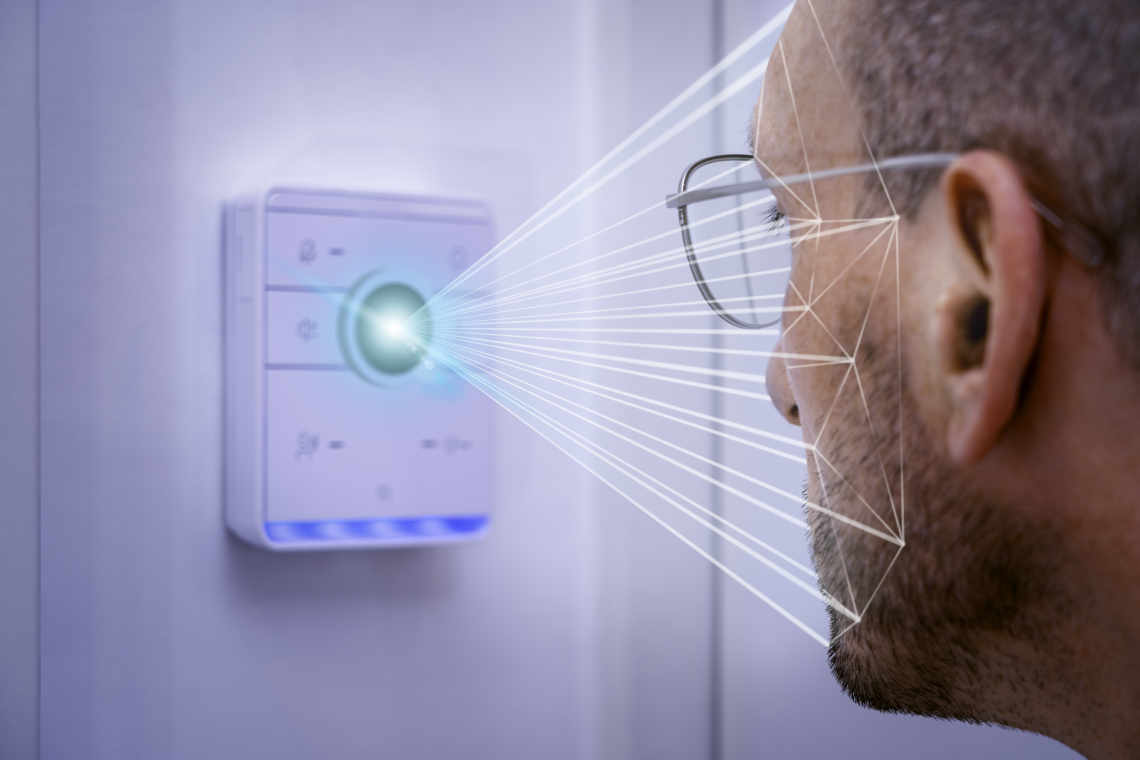
How is the evolving landscape of facial recognition reshaping security, authentication, and personal identification processes in our digital era? Facial recognition market research analyzes market trends, technological advancements, application areas, regulatory frameworks, and competitive landscapes.
Therefore, this research is critical for businesses at the forefront of technology development that seek to unlock the full potential of facial recognition tools.
What is Facial Recognition Market Research?
Facial recognition market research scrutinizes the diverse applications of facial recognition technology, from security and surveillance to personalized customer experiences and healthcare. It studies how different sectors are adopting and integrating this technology, assessing its impact on business operations, consumer interactions, and societal implications.
Furthermore, facial recognition market research delves into the challenges and ethical considerations associated with facial recognition such as privacy concerns, data security, and potential biases in the technology.
Why Is Facial Recognition Market Research So Important?
Facial recognition market research provides essential insights into the technological advancements and trends within the industry. This knowledge is vital for businesses and developers to stay ahead in a market that is continuously evolving with new algorithms, applications, and enhancements.
Moreover, this research is critical for understanding the diverse applications of facial recognition technology across different industries. From enhancing security measures to creating personalized customer experiences, the range of uses is expanding – and staying informed is key to leveraging this technology effectively.
Facial recognition market research also helps businesses and organizations identify key players, market shares, and potential partnerships or investment opportunities. This is essential for strategic planning and positioning in the market.
What Are the Benefits of Facial Recognition Market Research?
Facial recognition market research offers numerous benefits, which are crucial for businesses, policymakers, and technology developers navigating this complex and rapidly evolving field. These benefits encompass a range of strategic, operational, and ethical considerations such as:
- Strategic Insight and Decision-Making: Facial recognition market research provides valuable strategic insights, enabling businesses and organizations to make informed decisions about adopting and integrating facial recognition technology. This research helps in understanding market needs, technological capabilities, and potential areas for application, guiding strategic planning and investment.
- Enhanced Security and Fraud Prevention: One of the key benefits of facial recognition technology is its application in security and fraud prevention. Facial recognition market research helps in understanding the best practices, technological standards, and implementation strategies to effectively use facial recognition for enhancing security measures in various sectors.
- Personalization and Customer Experience: In sectors like retail, hospitality, and entertainment, facial recognition can significantly enhance customer experience through personalization. Market research provides insights into consumer attitudes toward facial recognition and how it can be used to tailor services and products to individual preferences.
- Ethical and Regulatory Compliance: Facial recognition market research is essential for navigating the ethical implications and regulatory challenges associated with facial recognition technology. This research helps businesses and organizations understand privacy concerns, data protection laws, and ethical guidelines, ensuring responsible use of the technology.
- Innovation and Development: For technology developers and innovators, facial recognition market research offers a landscape of the current state of technology, potential areas for innovation, and unmet market needs. This can drive research and development efforts, leading to new and improved facial recognition solutions.
Key Industries for Facial Recognition Market Research
Facial recognition market research plays a critical role in various industries, each harnessing the technology for different applications and facing unique market challenges. Here are some key industries where this market research is particularly impactful:
- Security and Surveillance: The security industry is one of the primary users of facial recognition technology. It’s used for surveillance, access control, and identity verification. Facial recognition market research in this area focuses on enhancing accuracy, speed, and reliability, while also addressing privacy concerns and ethical considerations.
- Retail and Consumer Services: In retail, facial recognition is used for personalized marketing, customer analytics, and theft prevention. Facial recognition market research helps understand consumer attitudes toward facial recognition and explores ways to enhance the shopping experience while respecting privacy.
- Banking and Finance: The banking sector utilizes facial recognition for customer authentication, fraud prevention, and enhancing user experience in digital banking. Market research in this industry delves into security aspects, customer trust, and compliance with financial regulations.
- Opieka zdrowotna: In healthcare, facial recognition is used for patient identification, access to medical records, and even in diagnosis and treatment plans. Market research focuses on accuracy, data security, and integration with existing healthcare systems.
- Transportation and Travel: Facial recognition technology is increasingly being used in airports for passenger screening, boarding, and customs checks. In this industry, market research explores efficiency improvements, security enhancements, and traveler privacy concerns.
- Public Sector and Government: Governments use facial recognition for various purposes including law enforcement, public safety, and administration. Facial recognition market research in this sector examines public acceptance, ethical implications, and the balance between security and civil liberties.
Main Players in the Facial Recognition Market
The facial recognition market is a dynamic and competitive field with several players competing for a share of the customer base.
- Amazon: With its Rekognition service, Amazon provides powerful facial recognition technology widely used in various sectors, including law enforcement and public safety.
- Clearview AI: A controversial yet significant player, Clearview AI provides facial recognition technology primarily used by law enforcement agencies.
- Face++: A major Chinese company specializing in facial recognition, Face++ is known for its innovative solutions in various applications, including payment systems and online services.
- Panasonic: Panasonic offers facial recognition integrated into its security and surveillance solutions.
Opportunities in the Facial Recognition Market for Businesses
The facial recognition market offers several opportunities for businesses – and here’s an overview of the key opportunities businesses can leverage today according to facial recognition market research:
- Enhanced Security and Surveillance: Businesses can utilize this technology for access control, monitoring, and identifying potential security threats. This application is particularly relevant for sectors like banking, retail, and transportation.
- Improved Customer Experience: In the retail and hospitality industries, facial recognition can significantly enhance customer experience. By recognizing returning customers, businesses can offer personalized services, greetings, and recommendations, thereby increasing customer loyalty and satisfaction.
- Streamlined Operations: Facial recognition technology can streamline various operational processes. For instance, in the travel and hospitality industry, it can expedite check-ins and boarding processes, while in corporate settings, it can be used for efficient employee attendance tracking and access management.
- Marketing and Personalization: Facial recognition offers unique opportunities in targeted marketing. By analyzing customer demographics and emotions, businesses can tailor their marketing strategies and advertisements to better align with customer preferences, thereby increasing engagement and sales.
- Wykrywanie i zapobieganie oszustwom: In the financial sector, facial recognition can play a crucial role in fraud detection and prevention. Banks and financial institutions can use this technology for secure customer authentication, reducing the risk of financial fraud and identity theft.
- Healthcare Applications: Facial recognition technology has potential applications in healthcare such as patient identification and management – and even in diagnostic procedures. This technology can improve patient safety and streamline healthcare operations.
Challenges in the Facial Recognition Market for Businesses
While the facial recognition market presents numerous opportunities, businesses also face several challenges when implementing this technology.
- Ethical and Privacy Concerns: One of the most significant challenges is addressing the ethical implications and privacy concerns associated with facial recognition. Businesses must navigate issues related to consent, data storage, and the potential for surveillance, ensuring they respect user privacy and comply with data protection regulations.
- Accuracy and Bias: Ensuring the accuracy of facial recognition technology, particularly in diverse populations, is a major challenge. There is a risk of bias in facial recognition algorithms, which can lead to inaccuracies and discriminatory practices.
- Zgodność z przepisami: The regulatory landscape for facial recognition technology is evolving, with various countries and regions implementing different guidelines and restrictions. Staying compliant with these changing regulations is a challenge for businesses operating in multiple jurisdictions.
- Public Perception and Trust: Building public trust in facial recognition technology is another challenge. Businesses must address public concerns about the technology’s use and demonstrate their commitment to using it responsibly and
- Ograniczenia technologiczne: Despite advancements, facial recognition technology still has limitations, especially in challenging conditions such as poor lighting, low image quality, or face obstructions.
- Security Risks: Facial recognition systems involve the processing and storage of sensitive biometric data, which poses security risks. Protecting this data from breaches and cyberattacks is paramount to prevent identity theft and maintain user confidence.
Prospects of the Facial Recognition Market for Businesses
As this technology advances and becomes more advanced, the applications and impact of facial recognition are expected to broaden. Here’s an insight into the future outlook of this market:
- Expansion in Diverse Sectors: Facial recognition technology is expected to expand beyond traditional sectors like security and surveillance into areas such as healthcare, retail, education, and entertainment. This expansion will provide businesses in these sectors with innovative tools to enhance operations and customer experiences.
- Ethical AI and Regulation: The future will likely see more stringent regulations and ethical guidelines governing the use of facial recognition technology. Businesses will need to adapt to these changes, ensuring their use of facial recognition is responsible, transparent, and compliant with legal standards.
- Growth in Developing Markets: Emerging markets are expected to show significant growth in the adoption of facial recognition technology. This growth provides opportunities for businesses to explore new markets and tailor their products and services to meet the unique needs of these regions.
- Integration with Other Technologies: Facial recognition is likely to be increasingly integrated with other technologies such as IoT devices, blockchain, and augmented reality, to create more comprehensive and sophisticated systems. This integration will open up new avenues for innovation and application.
SIS Solutions: Facial Recognition Market Research
We offer comprehensive solutions for businesses seeking to navigate and capitalize on the evolving landscape of facial recognition technology. Our facial recognition market research provides invaluable insights into market trends, technological advancements, application areas, regulatory frameworks, and competitive landscapes, empowering businesses to unlock the full potential of facial recognition tools.
- Strategic Insight and Decision-Making: Our research equips businesses with strategic insights to make informed decisions about adopting and integrating facial recognition technology. We provide a deep understanding of market needs, technological capabilities, and potential areas for application, guiding strategic planning and investment.
- Enhanced Security and Fraud Prevention: We help businesses understand best practices, technological standards, and implementation strategies to effectively use facial recognition for enhancing security measures and fraud prevention across various sectors.
- Personalization and Customer Experience: In retail, hospitality, and other consumer-facing industries, we provide insights into how facial recognition can enhance customer experience through personalization, tailored services, and improved shopping experiences while respecting privacy.
- Ethical and Regulatory Compliance: Our research addresses the ethical implications and regulatory challenges associated with facial recognition technology, helping businesses navigate privacy concerns, data protection laws, and ethical guidelines to ensure responsible use of the technology.
- Innovation and Development: For technology developers and innovators, we offer insights into the current state of technology, potential areas for innovation, and unmet market needs, driving research and development efforts toward new and improved facial recognition solutions.
- Identifying Key Players and Partnerships: We help businesses identify key players in the facial recognition market, assess market shares, and explore potential partnerships or investment opportunities, enabling strategic planning and positioning in the market.
- Ciągły monitoring i adaptacja: Our research provides ongoing support and monitoring to ensure businesses stay abreast of technological advancements, regulatory changes, and market trends, enabling them to adapt their strategies and solutions accordingly.
Our relationship with industry specialists, generated over the last three decades, allows SIS to go wide and deep into facial recognition market research. The SIS strategy team pulls together the latest insights, working closely with our local offices abroad to provide tailored solutions for our clients’ specific needs.
O firmie SIS International
SIS International oferuje badania ilościowe, jakościowe i strategiczne. Dostarczamy dane, narzędzia, strategie, raporty i spostrzeżenia do podejmowania decyzji. Przeprowadzamy wywiady, ankiety, grupy fokusowe i wiele innych metod i podejść badań rynku. Skontaktuj się z nami w sprawie swojego kolejnego projektu badań rynku.

 PL
PL  EN
EN  AR
AR  ZH
ZH  ZH_HK
ZH_HK  NL
NL  FR
FR  DE
DE  IT
IT  JA
JA  KO
KO  PT
PT  ES
ES